If you’d prefer to listen, you can stream the full episode here or watch the video version here. For accessibility, we’ve included the full transcript below for anyone who prefers to read along or who is hearing impaired.
Jonathan Rich: Sometimes your greatest failures, which that definitely was at that point in my life, it may still be, honestly, catapults you into purpose, meaning, and success.
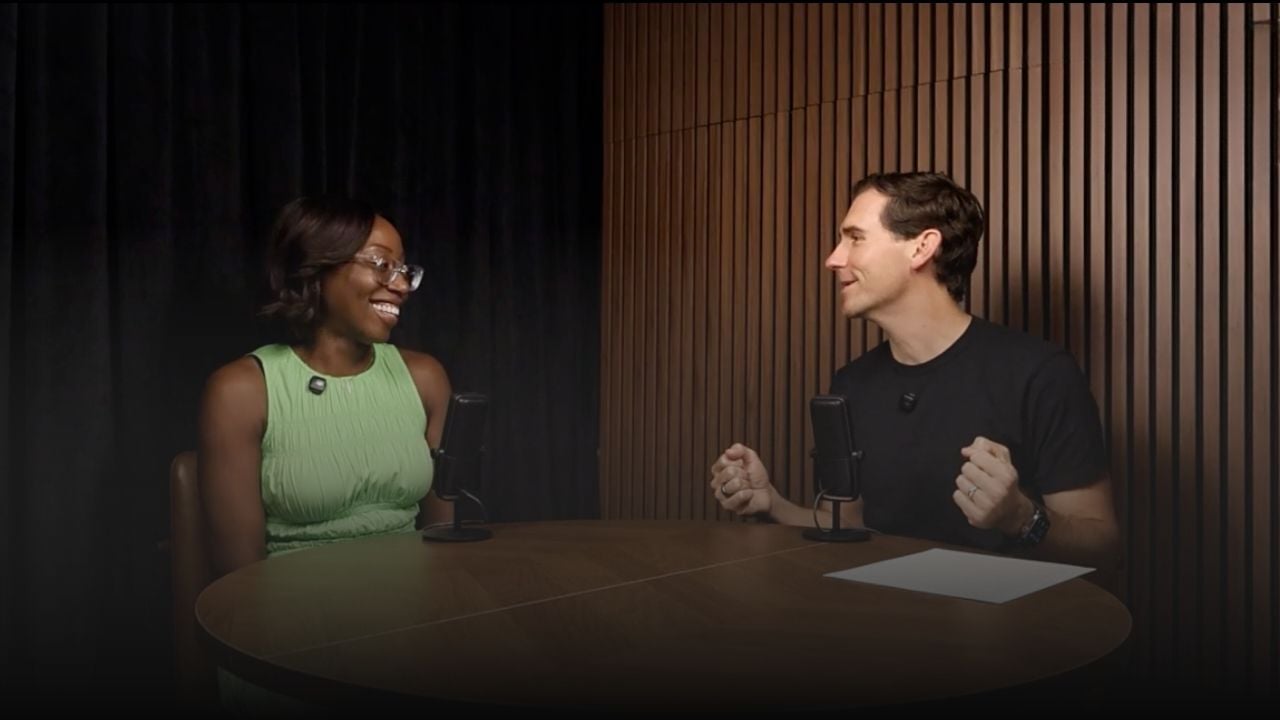
Justin Landis: Welcome to the Justin Landis Show, your real estate podcast about having conversations, building relationships, and creating freedom. And today, I'm here with Jonathan Rich, Jay Rich. Thank you for being here, sir.
Jonathan Rich: What's up, man? What's up?
Justin Landis: Jonathan and I have known each other for a long time here in Atlanta real estate. He's a real estate agent. Jonathan's also a developer, does construction. Big advocate for housing in Atlanta. You do it all. And I'm super excited to cover some of that with you today.
Jonathan Rich: Yeah, man. Glad to be here. Thanks for having me.
Justin Landis: Take us back to the beginning. You did not originally start in real estate. You originally started in rock and roll. Tell me about the rock and roll to real estate transition.
Jonathan Rich: Graduated college in 2003, University of Georgia, had an elementary education degree. I was also playing music at the time and just kind of like, am I going to teach or am I going to pursue music? And ended up playing music pretty much through my 20s. So fronted a couple of rock and roll bands, traveled the country. I was in all of the rooms you want to be in. I had all the relationships. I just never quite got the break that was like, okay, this is a for sure solid sustainable career. So I was doing that in my 20s. I had some other kind of side hustle jobs. And one of the side hustle jobs was working as a creative director for a small church plant in downtown Atlanta. We met a guy through that that had moved to Atlanta and was renovating houses in this neighborhood called Kirkwood. I'd never heard of it. And it was actually a terrible idea to flip a house with this guy. He knew a guy who was renovating houses. And he's like, we should do this. And I was like, why not? I got three other jobs. Like, let's add this to it. I was kind of interested in the process. Knew nothing about construction, knew nothing about real estate, knew nothing about anything really in that world.
Justin Landis: And so we got into, so you bought a house.
Jonathan Rich: Borrowed money from my parents, $30,000. And we bought a house for 160 grand on Jose Williams Drive. It's called the Flip That Flopped in our house. And in 2007, we bought it. And in 2008, we didn't sell it. And the market, as you know, was crashing around.
Justin Landis: Going down heavily.
Jonathan Rich: Yeah. So I was married for two years, had a six-month-old at the time. And still playing music, still traveling, still doing some other side hustle jobs. I've got this house now that's renovated, as well as you could do for not having any idea what you're doing, that will not sell under any circumstances as the market was crashing. And fortunately, my wife is a labor and delivery nurse. We were renting at the time. So the only real out was refinance into an owner-occupant loan and move into it and buy out my partner. I basically paid off the debt that he had, which I think was 5,000 bucks, and just was like, hey, man, you're free of the liability. We're moving into this thing. That's the only out. And so I've got a six-month-old and I'm 28 and I move into the greatest failure of my life.
Justin Landis: But that greatest failure was actually the beginning of something.
Jonathan Rich: That's right. That's right. Yeah. So I talk about this a lot. Sometimes your greatest failures, which that definitely was at that point in my life, it may still be honestly, catapults you into purpose, meaning, and success. And that is for sure my story with the Flip That Flopped.
Justin Landis: What was the next step? What happened?
Jonathan Rich: So we move into it. We were living in Virginia Highlands in a rental. That's where the church was. We thought we would live there for a while, even though we could never afford to buy. We get forced to move to, it was actually East Lake, but right on the border of East Lake, Kirkwood. And within two weeks of living in the house, I'd been working on the house for six months. Within two weeks of living in the house, it was like a totally new lens, kind of a filter of what the neighborhood was, the history of the neighborhood, the people that lived there, just kind of like washed over me. I was like, I love this place. I love the architecture. I love the history, the story. East Lake has a very unique story in our city from East Lake Golf Course and Hosea Williams, the civil rights leader, his family had a house four houses down from the house that I had renovated. So I'm just like learning all this history, and Zillow wasn't around yet, but there was an agent in town who had like a free FMLS portal you could get into, and I just, what people do with Zillow now, I was doing. Just like, what's going on with houses in this neighborhood? Why are they selling? Why are they not? Who's renovating? What does that look like? So that was 2009, was just me kind of doing that. All of my friends were first-time homebuyers, and I was referring them to the agent who ironically didn't really sell in that area. He was from Woodstock. He was a good guy, but I would literally help my friends be like, this is a great street. This is a cool house. Here's why you should buy this. And then he would drive in, write a contract. And in 2009, I think he made 35 or 40 grand. That's a lot in 2009 off of referrals that I gave him. And he sent me a Christmas card at the end of the year. It was like, thanks so much for the referrals. And I was like, I should get my real estate license.
Justin Landis: So that was the first thing. It was not like this is a career. I had a career, I thought, playing music. It was just like, I'm doing this in my spare time. I like it. I don't even think I thought I was good at it at the time. It was just this idea of like, I'm already helping my friends do this. Why would I not just get my license?
Jonathan Rich: For sure. So 2010, I got my license. I made $8,000 in 2010, which basically paid for my website. But I learned a ton in that year.
Justin Landis: What is the biggest thing you learned?
Jonathan Rich: Well, I mean, I learned a ton about just like the transactional side of the business, paperwork. I was fortunate because people had a lot of time because not a lot was selling. The brokerage that I came to was just very caring and loving and giving their time. So I was spending time with agents who had been doing it a while who were very good at it. Learning from them. I got a couple of houses that I did soup to nuts. I was cutting their grass. I was staging it with furniture. There were two houses, two listings I got that year that I did not sell that I cut the grass for a year. And so it was just like hard work, like showing up, saying you'll do what you said you were going to do. It was very different than music in terms of service and client base. So 2010, I don't make any money really, but I was setting up a lot of things.
Justin Landis: 2011, I started to have some clients. What flipped? How'd you get those clients?
Jonathan Rich: Well, so in 2010, any for sale by owner. There were only two dumpsters in the entire zip code that I lived in. And one thing I knew is that we call it geocentricity. This comes from the church I was working at. The church was a very kind of parish model church. And the idea behind the church and the relationships and the way they wanted the church to grow and build was like, hey, we're only successful if we're growing with people who live in our neighborhood. Because that's the way that you can build authentic community. That's the way that you can have relationships and sustainability that last. So I had a similar idea for real estate. And so I was like, I want to work in the neighborhood I'm living in. I'm going to bring the most credibility. And that's still to this day, you know, 15 years later, my entire business, the way that I talk to other agents, people that have been on my team is like, to be the best and the most credible at this business, your focus should be, and your goal should be at least 51% of it is in the neighborhood you live in or the geographical area.
Justin Landis: I love that so much. And that's why I want to ask you that question, how you did it, because I think as people look at your business, a lot of people are like, oh, that is what I want. And so at the beginning, you were doing everything in the neighborhood to make sure you knew every single thing, like down to the number of dumpsters.
Jonathan Rich: So I talk about like the three L's that you need to really have a sustainable business. Leverage, leverage everything, leverage your network, leverage listings when you get them, leverage any skillset that you naturally have, things that make you excited. Location has been huge for me. And then luck. Like there's some level I could not build my business the way that I built it today. It had to be in 2010 and it had to be in the neighborhood that I randomly landed in because I flipped a house that didn't work. Now the other side of that is there were four years that I worked 100 hours a week. So there is a piece of that. So the location was huge because there were two dumpsters. I went and met the guys who were building and I said I'll list your house for one percent. And I knew coming from my music background that if I could, because music when you're trying to play music and sell records and sell tickets and get people to come to your shows, you're doing marketing. You're doing advertising. You're selling your performance, but also your brand. And so I knew if I could get a listing, I could leverage that into free marketing in a million different ways.
Justin Landis: You know something amazing? I was in a meeting with Gary Keller once, founder of Keller Williams, and someone asked him if he were starting over, what would he do? He said he would find people in the neighborhood he wanted to work in, do the first listings for free or 1% just to get the sign, the ability to market those listings, and the credibility that I can sell houses.
Jonathan Rich: That is so interesting to hear you say. I actually did it. My entire business revolves on that one point. That's what I did. Because I knew that if I could get two or three or four listings in my neighborhood and then I did the right kind of marketing and I put directionals out so you couldn't drive through, I had only been a real estate agent for a year and a half, I had three listings, but you couldn't drive through Kirkwood without seeing my name.
Justin Landis: Love it. So that happened. 2011, you sell some listings. For sale by owner listings come your way.
Jonathan Rich: I get one of those listings from the dumpster that was in the driveway that I cut the grass for a year and a half. It never sold. I rented it and made $1,100. But it started to roll. I sold 2.8 million in 2011. And then I flipped another house. And that house went extremely well. There's a crazy story with that because I had a random investor that was trying to do it. And I had the deal pulled down to like $1,000 between seller and buyer. Seller was losing money. And they were like, we can't go any lower. And buyer walked away over $1,000. And so I did the deal. Instead of the buyer, I did it. We flipped it. We sold it before we listed. And I made, I think, like 120 grand on it. So that was 2011. And then my wife and I did three or four more renovations kind of in a row. We had no money.
Justin Landis: But this is also helping you build a brand in Kirkwood as well, because these are more signs. More listings. You get to see the buyer demand on them and what people are saying. You're meeting all the people while you're doing them.
Jonathan Rich: That's right. Yeah. And then meanwhile, I'm also just living there. So I'm raising my son. We're making new friends. I'm meeting business owners. It's all of that. And it's not happening in two months. I'm two years in and I've still kind of broken even. But then it flipped in 2012. I worked with 11 different investors that year. All in 30317, East Lake Kirkwood zip code. And all of a sudden, I've got 15 signs. And I learned a lot that year because I learned the guys I didn't want to work with, the kind of investors I didn't want to be associated with. But then I also found two or three that I thought, we could do this together for a long time. And I still didn't know a ton. I'm still learning. I'm still 15, 20 deals in. I'm learning so much about the construction process. I'm also learning the other side of retail, real estate. I'm working with normal buyers and sellers. But I sold, I think it was 11 million that year in 2012. So that was a big deal. And then it went to 18 and then it went to 35. And then in 2015, I sold 52 million. And so it was just this vertical growth. I was number one agent in Atlanta that year. And to my knowledge, probably the only time that an agent who doesn't primarily sell luxury real estate in Buckhead was the number one agent in the Atlanta board.
Justin Landis: Were you enjoying this? Were you happy? What was it like to be the number one agent?
Jonathan Rich: Great question. So somewhere in that 12 to 13 range, I was doing everything myself. Because I was a creative and coming from the creative background, I shot my own photos, I was building my websites, I was doing my own flyers, I was putting the sign in the ground. One of the value adds I was giving to my designers was I was doing the full design set for them. So I'm finding the deal, telling you how it can work, I'm helping you with planning, I'm going through architecture. Then once we get there, I'm providing the full design set for you. You're not hiring a designer. I'm designing it for you. Which was insane at the time. But I was doing all that. And my wife was like, what are we doing? And I was like, I think this is a thing. It was like music as a career. At some point they crossed and I had to make a decision. I sat down and I was like, do you want to do this with me? Because either you do and we're going to try to make it work and we're going to say yes to as much as we can. Or I got to figure out a different way. And she was like, yeah, I'll do it. Let's do it together. And I was like, okay, but my promise to you is this isn't forever. We're going to do this for a season, two, three, four years. And then at some point we will pivot back to one of a couple of options. But let's say yes and see where it goes. And so that was 12 to 15, 16 ish was 100-hour weeks doing everything, failing a bunch, succeeding a bunch. You asked if I was happy. I mean, I was excited and I found myself as a creative pretty early in that process. If I hadn't found myself as a creative, I think I would have probably burnt out or pivoted out somewhere in the middle of that.
Justin Landis: Well, let's pivot to that because you have built such a great brand. You are so creative. This is a transactional business. It has to be. That's how almost every real estate agent gets paid on the transaction. So you have to have the transactions, but you've brought a level of creativity that I think few people have been able to do. For the person who's listening that wants to bring creativity or they're like you, what advice would you give them and how did you do that?
Jonathan Rich: I appreciate you saying that. To me, the creativity in my experience in my life, the creativity is preceded by a deep desire to just serve people. And I think if you start there, you're then able to supersede and put the transactional nature of this business in its proper place. So that was really it for me. Even before it was like, hey, where do I find myself in the creative process? Where do I find myself in the outlets of being creative, telling stories? It was like, how do I serve people well in this business? And so I think that's the first thing I would say is like, if that's not like a posture or like a perspective that you can find, it's not going to happen. And you will burn out. There is a way to do this business and be very successful. There are some people in this city right now that are at the very, very top of what we would look at as kind of like the successful food chain that I'll be shocked if they're doing it 10 years from now. And that's not a knock on them at all. Not them, but that idea of like, hey, look at the top five in sales and volume. If people isn't at the foundation and service and the care for the client isn't at the foundation of the work you're doing, you can have systems and transactions that get you to the top, but you cannot stay there because at the heart of this business, it is service oriented. It has to be. There's only so much human capital and time you have to give to someone. And it takes a tremendous amount to get to whatever that transactional top is. But if you're service first, people first, you still have to pay your bills. You still have to find a business structure. But I think if you have people kind of at the foundation preceding it, there's a lot more tackiness to the sustainability of the job. The way that we were talking about when I started my team was I didn't bring people onto my team and say, hey, you need to be really good at business and you need to be really good at contract coordination and really good at sales. You need to be really good with people and I can teach you all that other stuff. And then I would say a standard for my team is people over profit every time without condition. And what that means for us is if you get into a deal and the only way for the deal to work, you know it's the right thing for your client and you know it's the right house or you know it's the right sale or whatever. The only way for the deal to work is for you to forfeit your commission. You would do it without thinking about it. That's what that standard means. Rarely ever happens. I've done over a thousand deals. I've maybe done that three or four times where it was a total release of the commission. But that's the posture you have to bring to the deal. So if you can do that and you're good with people, everything else we can get you.
Justin Landis: Hey, this is Justin with a market update. The current market is unlike any market we have seen recently. And so if your brokerage is running a playbook that is old, that's from pre-COVID, you need to get a playbook that is up to date, that is adaptable to the current market. I'd love for you to book a mentor call so we can help walk you through a playbook that works in this market. Back to the podcast.
Justin Landis: Man, I'm smiling because we have so many similarities. I start every new real estate conversation when I meet an agent or whatever. I always start with, hey, I have a belief that real estate's a people business. And then at JLG, our mission has been to serve our clients, coworkers, and community above ourselves since the beginning. And I do think that in that rooted in service, that is what produces the longevity because you're doing it for others, not just for yourself.
Jonathan Rich: Yeah. And you won't be chasing kind of frivolous goals that will burn you out, that will leave you empty. You can get all the money in the world. You can get all the notoriety or success or power in this business. But if you get home and you're alone, you will not keep doing it. There is so much relational equity and damage that happens in serving people in this business, whether that's your goal or not.
Justin Landis: So since you've taken that service and you've actually elevated to an even bigger service to like the whole city of Atlanta, tell us a little bit about, I think you had a cohort experience where you kind of helped realize like, hey, maybe like this is for the city.
Jonathan Rich: Yeah, two things. So I was in those early years, 12, 13, 14, 15. I was in a business growth and development cohort at Plywood People, which is an organization we've both been involved in. And it was a very cool cohort because I was the only real estate guy in it. So it was like eight entrepreneurs early in their career but all different businesses. We did this exercise one day where we just switch places with somebody. And so my good friend, BT Harmony, who runs a design agency called the Harmony Agency in town, he got me. So he was supposed to put a five-minute kind of business plan together for Jerich Atlanta. And then I was supposed to do one for him. And then we presented. And in that presentation, he said, it's probably like 2013. And he was like, hey, man, I think with Jerich Atlanta, you're not actually in the business of real estate. You're in the business of Atlanta. And real estate is just the vehicle for you to be successful in it. And I think what he meant by that at the time was just like, I care deeply for the people of this city. I care deeply and am incredibly proud and interested in the history of this city. And I truly do believe that this city is distinctively unique globally because of our history because of where we sit geographically and because of what's happening currently in the city. And so I've used that and I've leveraged that. My love of this city and its position in history. It's the same philosophy of like, hey, when you look at what's happened in this city, it really does have global impact. And that now shows up in your marketing, in your social media, in your client commerce, all of that stuff.
Justin Landis: Yeah, 100%. And it's not like lip service. It's not an idea. It's not a sales pitch. And that's, I think, what BT was saying as well. And I was like, it's not a sales pitch. This is just I'm just trying to be the most authentic version of who I am. And for the people that want to take the ride with me, let's go.
Justin Landis: Well, let's kind of wrap up with that. I mean, we've had some great offline conversations about real estate marketing. You have some strong beliefs for the real estate agents listening of what they should be doing from a marketing standpoint. And you have done awesome real estate marketing. Talk a little bit about how you've been authentic to yourself and how you've elevated real estate marketing and maybe give some advice for some people that they want to do the same thing.
Jonathan Rich: Yeah, it's really interesting because the majority of the conversation has been around kind of like a people first perspective. And then finding out who you are, being authentic in that, and those two things merging. I'm about to tell you a bunch of things that I believe strongly about marketing, but there's a precursor and asterisk to anything I'm about to say. And that is, I believe currently and even moving into the next digital age of AI and how it's affecting the business. Also, the way that the real estate brokerage model is shifting significantly currently with Zillow and Compass and private exclusives and all these kind of ideas, and then how AI and technology platforms will supposedly serve the client and the agent better, all of these things are happening pretty rapidly. I believe five years from now, this statement will still be true, which is 80% to 85% of your business comes from the people you know, your neighbor's friends network, and then the people that they know. The marketing and advertising that you do beyond your personal brand, which is what gets you that 80%, your personal brand is not a logo and a website and identity set. You need all that. But your personal brand is how much people trust you and how much equity you have in relationships you've built. And that is where the first, you know, it might be 75%, but it's way more than a majority of your business is going to come from. Excellent marketing and advertising closes the gap on the last 15% to 25%. So that's kind of like the asterisk that I would put. As somebody who takes marketing extremely seriously, has invested maybe millions of dollars at this point into it. And from a creative standpoint, I do a lot of stuff that does not have ROI. I do it because I think it's important to me and I want to do it. Even with all that, I still believe that trust is going to be the ultimate foundation to build your business on. That being said, you need to be good in marketing and advertising moving forward. You just do. There's been some tremendous change digitally the last two to three years post-COVID. But the last two years, if you're building a business or starting a business in residential real estate, you cannot not have a digital footprint. I would have said in 2020, you cannot be on Instagram and still be successful at real estate. It's very challenging to do that at this point. And so you've got to have a digital footprint. You've got to have a brand narrative. You've got to know who you are. That's the most important thing.
Justin Landis: That ties it all back together. Yes. You know who you are. You know what your purpose is. You know who you're for. That makes all of the marketing so much easier.
Jonathan Rich: That's right. Yeah. The build out of a digital footprint. What I mean by digital footprint is if I Google or I get on Instagram and do a search and I'm trying to find out who Jonathan Rich and Jerich Atlanta is and what have they done? Like, what do I find and how easily do I find it? That's your digital footprint. So website, social media, YouTube, videos that you've recorded. Reviews. Yeah. How can I find you in the digital world? And there is a shift that's happening. Post-COVID, some stuff happened that just video became way more relevant. Video became easier to create. AI is doing massive things to change the way that you can create digital content. And so that was a major obstacle five years ago that is becoming less of an obstacle from a financial standpoint. So then it's like, how creative are you? What kind of story do you want to tell? It's getting easier to do that without having to spend $10,000, $20,000, $50,000. I had a friend who was in content creation in 2015. He had to rent a helicopter to go get aerial shots. It's like you can just hire a drone operator for 200 bucks now. The point is the barrier to access to entry is much, much lower. So there's just more of it. What you've got to do is figure out who you are and what story you're telling. The excellence of the digital content matters, but not as much as those two things. And so that's what I would say is like, if you're trying to build a brand and marketing, who you connect with on a brokerage level matters because there's going to be some brand equity there that you need to attach a shelf to. And then when you're talking about your personal brand, like you got to do it. You got to be disciplined and you have to spend money on it. The thing that I tell all the agents that we work with at my brokerage and at my team is like, you really need to be thinking about 10% of your total gross commission on marketing.
Justin Landis: And when you surveyed people, how much were they spending?
Jonathan Rich: Less than three. Yeah. So I did a huge kind of marketing research project a year and a half ago because we were doing some branding work at my brokerage. And I was just trying to also help agents in this kind of digital shift catch up. And so yeah, we interviewed probably 75 agents, not just at our brokerage, across a bunch of friends of mine and stuff. And we found that most agents were spending somewhere between, depending on their average sale price, but somewhere between 2% and 4% at the most. And I would say 10% is the minimum. And it's not just on listing transactions. Listings and on buyer side, 10% of your gross commission should go into a marketing and advertising bucket because it's not just selling the property. And I spend way more than 10%. I did a huge project last year that had tremendous impact on the Atlanta market as a whole. It was a $3.5 million deal, so it's a massive commission check. I spent over half of it on marketing and advertising. But that 10% number is not meant to just do a video or do very good pictures or build a website for that listing. It's meant to build a portfolio of excellence that you can then show to your potential future clients around, this is who I am as a storyteller. This is who I am as a marketer and an advertiser. This is the kind of work that I can do. So you're not just like, I think so many agents have this kind of scarcity mindset or like short-term sprint mindset of like, I just got to get it done to get this listing sold. It's like, no, you're doing something that's building a portfolio and a foundation of who you are as a marketer and an advertiser. And that is as important as it's ever been kind of in the new digital age.
Justin Landis: So on that note of marketing, if someone is brand new and they're seeing all this stuff that you're doing online, everybody's doing online, and they're like, do I need these headshots? Do I need to hire this videographer? What does someone new, they haven't sold a house yet, they just got into the business, need to actually do on their marketing?
Jonathan Rich: So first thing is stop following other people. Comparison will absolutely put you in the ground in this business right now because there's these avatars of what you think agents are doing versus what they're actually doing that are dominating the digital landscape. I would say don't be following other agents, especially agents you don't know or trust, until you get to a place that you 100% are confident who you are and what you're supposed to do. So if you're asking the question like, what should I be doing or how should I be doing it or I don't know how to do marketing, do not start following other people online. So that's step one. Step two is I think before you spend any money or much time on creating something, you need to do some personal work. Or find someone in your brokerage or find an agent that you do know and that you trust that is doing really good marketing. And do some work trying to just figure out, like, who am I? What is my brand? What kind of story am I trying to tell about myself? When somebody finds me digitally, what do I want them to know about me? In five words or less, how would I describe who I am? That's an exercise that I give all of our agents when they're starting to build their brand. You need to, in five words or less, tell me who you are. And then we do an exercise where we say, okay, what would your friends and your best friends and your family say the five words are? And then what would your clients say the five words are? And then we compare the three. So that's I would say do that first. Figure out what kind of story you're trying to tell and then you can build some of the assets after that. And the assets really are less important. They're not not important and they're becoming more and more as the digital agent kind of moves forward. But the authenticity of who you are and the message you're communicating is paramount. And so then after that, yeah, like headshots matter but they only matter as you run them through the filter of who you are. Don't just go do a headshot to do one. For me, I was this rock and roll kid who was just trying to figure out where I fit in this business. I was not going to drive a Range Rover. I was not going to wear a suit.
Justin Landis: Do you remember the first time we met in person? I wore business casual a lot of times, I would wear a tie. You know, so like I got my slacks all dressed up. You had your jeans and t-shirt, you know, rolled in on the scooter. And I was like, there's different ways to do this. And you're doing you and I'm doing me.
Jonathan Rich: That's right. You know, yeah. And the thing is, I think for the two of us we could say with good confidence, I've known you for a long time now. This is who you are. This is what I wear. And it's extremely believable. There are people who have Range Rovers and slick suits and crazy swoopy hair. That's who they are. It's a very, very minority of the total population, but that is true. But if you're not that, don't be that. Be who you are. Figure that out. And then at that point, when you're confident in that piece, maybe find somebody that you're like, I really like what they're doing, and go talk to them about what they think is most important. But the one other thing I will say is you do have to have a digital brand. That's new for me. I was not saying that three years ago. And I have completely changed. I built my business completely conversationally, relationally. Very little social media the first 10 plus years of my career. And the last two, three, four years, I have completely done a 180. The consumer landscape is changing in our business around that. The one caveat I say is like, if you've been doing it 20 years and you've got a network and you don't want to, that's cool. As long as you keep having the conversations. But for everybody else, anybody that's trying to build, anybody that's in the middle of it, it's changed. You just have to do it.
Justin Landis: Man, Jonathan, thank you so much for being here. I mean, talking about the service, the creativity, the brand, the marketing, it's just really been awesome today. And I really appreciate you. And I do want to have you back. We can get into more AI and marketing in the future. So I look forward to that. Thanks so much for listening today. Make sure you like and subscribe. We don't want you to ever miss an episode. We will see you on the next one.