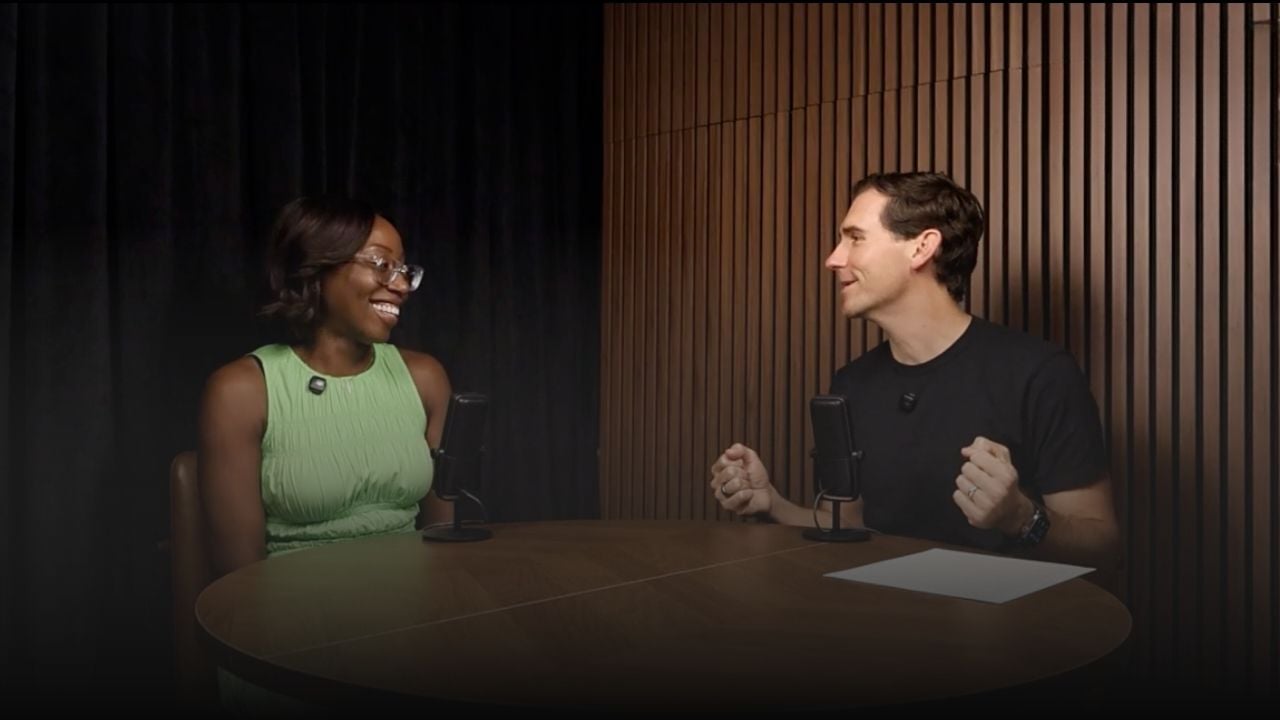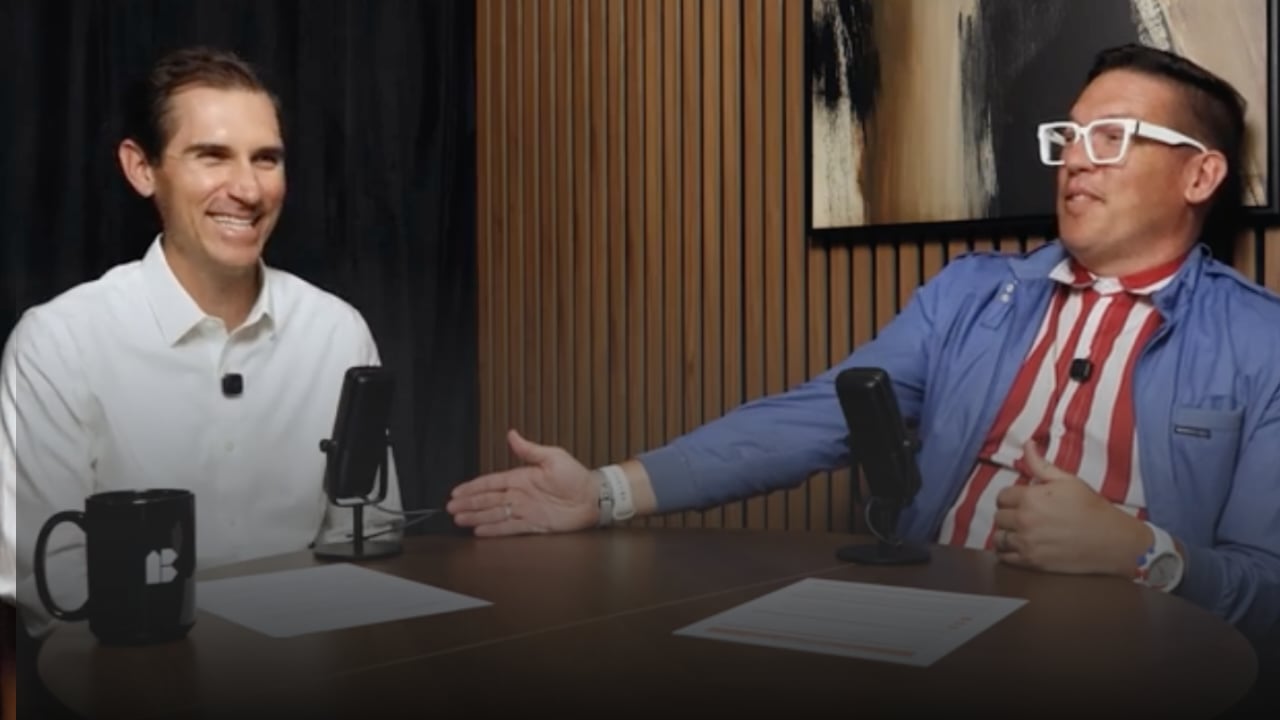
Jonathan Rich: The Flip That Flopped and the Career It Built
In 2007, Jonathan Rich borrowed $30,000 from his parents, partnered with a guy who knew a guy, and bought a house in a neighborhood called Kirkwood he had never heard of. He had no background in construction, no background in real estate, and no real plan beyond curiosity.
He calls it the Flip That Flopped.
The market crashed in 2008. The house would not sell under any circumstances. Jonathan was 28 years old, had a six-month-old at home, a wife who was a labor and delivery nurse, and a renovated house in East Lake he could not move. The only exit was to refinance into an owner-occupant loan, buy out his partner, and move in.
So he did.
What happened next is the kind of story you cannot manufacture. Within two weeks of living in the house, the neighborhood got under his skin. He started learning the history of East Lake, the Hosea Williams connection, the architecture, which houses were selling and which were not. He built a free FMLS portal login just to watch the market. He started helping his friends find homes, referring them to an agent who sent him a Christmas card at the end of 2009 thanking him for the referrals.
That Christmas card was the moment. He got his license in 2010. He made $8,000 that year. He cut the grass on two listings he never sold. By 2015, he had sold $52 million in a single year and was the number one agent in Atlanta, probably the only time in Atlanta Board history that distinction went to someone who primarily did not sell luxury real estate in Buckhead.
The failure launched everything.
The Geocentric Strategy That Built the Business
Jonathan did not stumble into a neighborhood focus. He engineered it deliberately, and he has a name for the philosophy: geocentricity.
The concept came from a church he was doing creative work for in downtown Atlanta. The church believed it could only build authentic, lasting community by growing with people who actually lived in its neighborhood. Jonathan applied the same thinking to real estate. He wanted to be the most credible agent in Kirkwood and East Lake, and he knew the fastest path to that was to live there, know everything about it, and make himself impossible to miss.
In those early years, there were only two dumpsters in the entire 30317 zip code. Jonathan found them, introduced himself to the owners, and offered to list their houses for one percent. He had been in the business less than two years. He had three listings. But he placed directionals everywhere, and you could not drive through Kirkwood without seeing his name.
He summarizes his early framework as the three L's: leverage, location, and luck. He leveraged his network, his listings, and his creative skills. He chose location deliberately rather than chasing whatever deal came his way. And he acknowledges the luck component honestly, noting that the business he built in 2010 had to be built in 2010 in that specific neighborhood at that specific moment. He also worked 100-hour weeks for four years. The luck and the grind are both true.
By 2012, he was working with 11 different investors in 30317 and had 15 signs in the neighborhood. Sales went from $2.8 million in 2011 to $11 million in 2012 to $18 million to $35 million to $52 million in 2015. His advice to every agent since then has been consistent: at least 51% of your business should come from the neighborhood you live in or your defined geographic area.
People Over Profit, Without Condition
Jonathan grew up as a creative. He fronted rock and roll bands through his twenties, did creative direction for a church plant, designed renovation plans for investor clients, built his own websites, and shot his own photos. That creative identity was not separate from his real estate identity. It was the same thing.
But before he talks about creativity, he talks about service. His position is that creativity in real estate, the kind that actually produces sustainability, only works if it is preceded by a genuine desire to serve people. Without that foundation, you can build something that looks impressive and burns out quietly.
He has a standard for his team that he states without hedging: people over profit, every time, without condition. What that means in practice is that if forfeiting your commission is the right thing for the client, you do it without deliberation. He has done over a thousand deals. He has fully released his commission three or four times. But the posture has to be there on every transaction, not just the ones where it costs you nothing.
His framing for hiring is similarly clear. He does not look for people who are great at contracts or great at sales. He looks for people who are great with people and teaches everything else from there. The technical skills are trainable. The orientation toward service is not something you can layer on top of someone who does not already have it.
What He Actually Believes About Marketing
Jonathan has probably invested millions of dollars into marketing over the course of his career. He has done projects where he spent over half a seven-figure commission check on marketing and advertising. He takes this more seriously than almost anyone in Atlanta real estate.
And he still believes that 80 to 85 percent of your business will come from people you know, and the people they know. The marketing fills the gap on the remaining 15 to 25 percent. Your personal brand is not a logo or a website. It is how much people trust you.
That said, his position on digital presence has shifted completely in the last few years. He spent the first decade of his career building almost entirely through conversation and relationship. He now says that anyone building a business in residential real estate cannot afford to not have a digital footprint. The consumer landscape has changed, and the barrier to entry for creating quality digital content has dropped dramatically. What required a helicopter shot in 2015 costs $200 with a drone operator today.
His spending benchmark for agents: 10 percent of total gross commission into a marketing and advertising budget. When he surveyed roughly 75 agents across his network, most were spending between 2 and 4 percent. His view is that agents with a scarcity mindset treat each listing's marketing as a cost to close a deal. Agents with a long-term mindset treat it as a contribution to a portfolio of excellence that communicates who they are as a storyteller and marketer to every future client.
For new agents specifically, his first piece of advice is to stop following other agents online immediately. The comparison will sink you before you figure out who you are. Before you spend money on headshots or hire a videographer, do the personal work. He has a specific exercise he runs with agents on his team: describe yourself in five words or less. Then find out what your best friends, your family, and your clients would say in five words. Compare the three sets. That gap, or that alignment, is the foundation you build your brand on.
You Are in the Business of Atlanta
Around 2013, Jonathan was in a business development cohort at Plywood People. He was the only real estate agent in the group. A friend named BT Harmony was assigned to pitch a five-minute business plan for Jerich Atlanta.
BT told him: you are not actually in the business of real estate. You are in the business of Atlanta. Real estate is just the vehicle.
Jonathan has been running on that framing ever since. His love of the city, its history, its global cultural footprint, is not marketing language. It is genuine. And when the genuine version of something shows up in your work consistently, people can feel the difference between that and a pitch.
That is, ultimately, the throughline of everything Jonathan covers in this episode. The failure that launched the career. The geocentric strategy. The people-first standard. The creative identity. The marketing philosophy. They are all expressions of the same thing: knowing who you are and building something real from that place.
Listen to the Justin Landis Show
Every week, Justin brings in experts from across the real estate industry, including agents, brokers, investors, and leaders, to share what actually works. Expect real stories, real strategies, and no fluff.
Subscribe wherever you listen to podcasts so you don't miss an episode.
Ready to explore what's possible in Atlanta real estate?
-
🏡 Buy or sell with Justin Landis Group: justinlandisgroup.com
-
🌟 Join or learn about Bolst: bolst.homes
Justin Landis is the founder of Justin Landis Group and Bolst, two of Atlanta's leading real estate companies. He lives in Atlanta with his wife and three daughters and has been selling Atlanta real estate since 2008.