The Conversations That Make You a Better Agent
Ashton Ernst Ballard on delivering hard news, setting expectations, and why honesty is one of the most important skills an agent can learn.
Nobody gets into real estate excited to tell a seller their home needs a $100,000 price reduction.
But knowing how to have that conversation—and have it well—is part of the job.
And in 2026, those conversations are happening more often.
Homes are taking longer to sell. Price reductions are more common. Some listings aren't selling at all. And many clients are entering the market with expectations shaped by a very different few years in real estate.
For agents, that creates a difficult balance: advocating for your client while also being willing to tell them something they may not want to hear.
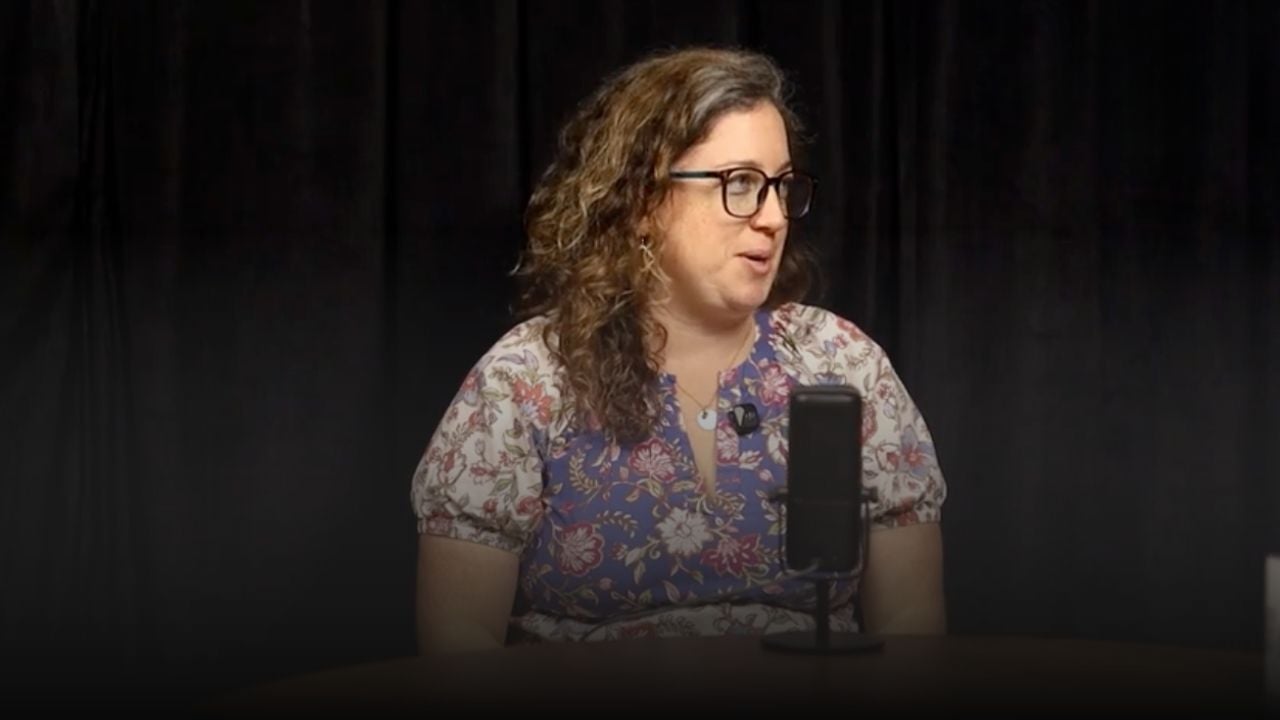
Bolst co-founder Ashton Ernst Ballard has had thousands of those conversations.
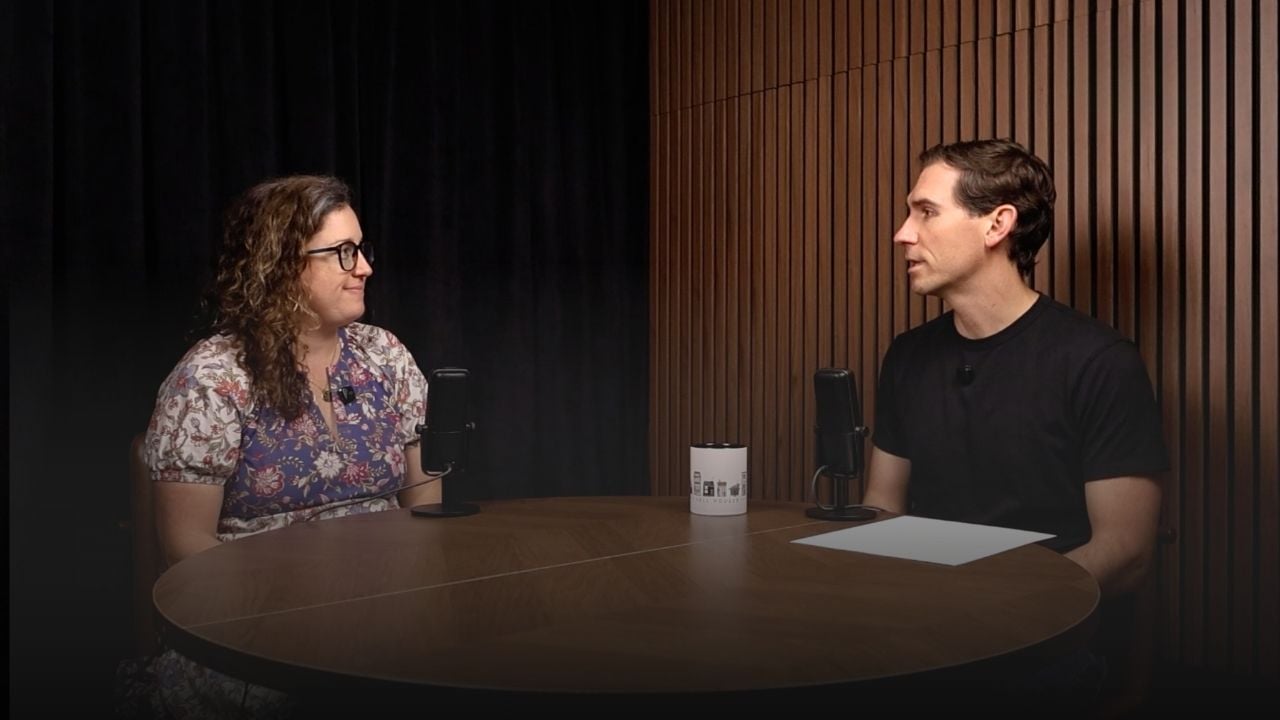
In this week's episode of The Justin Landis Show, she shares exactly how she approaches them.
Remember Why They Hired You
Before Ashton ever gets on the phone for a difficult conversation, she starts with her own mindset.
Her clients hired her to help get them to the finish line.
That doesn't always mean telling them what they want to hear. Sometimes serving a client well means being the person willing to tell them what they need to hear.
For Ashton, remembering that changes the way she enters the conversation.
The goal isn't to avoid discomfort. It's to give the client the information and guidance they need to make the best decision possible.
That directness is part of what they're hiring an agent for.
Don't Wing the Hard Conversations
After thousands of transactions, Ashton could probably handle most client conversations off the top of her head.
She still doesn't.
Before an important call, she prepares.
She schedules the conversation rather than surprising the client. She sends relevant information beforehand. And she writes down the points she needs to cover so she can guide the discussion instead of reacting to it.
For a pricing conversation, that might mean sending recent market data, showing feedback, a recap of the marketing that's already been completed, and outlining what happens next.
That preparation does two things.
It gives the client time to process the information before the conversation begins, and it gives the agent a framework for keeping a potentially emotional discussion productive.
Bring the Data—But Don't Forget the Person
A seller can feel like their home should be worth a certain amount.
The market can simultaneously be telling you something very different.
That's where data becomes particularly useful.
Instead of making a price conversation about one person's opinion versus another's, Ashton uses the numbers to help tell the story.
Fourteen showings and zero offers tells you something.
Consistent buyer feedback tells you something.
Being four percent above the market tells you something.
But Ashton also recognizes that clients don't all process information the same way. Some people naturally respond to numbers. Others respond much more emotionally.
A good agent needs to be able to speak to both.
The data helps ground the conversation, but empathy helps the client actually hear it.
When the Seller Says, "Can't We Just Do More Marketing?"
It's a conversation listing agents know well.
The home isn't selling, the data points toward price, and the seller wants to know what else can be done before reducing it.
Ashton tries to answer that question before it's even asked.
Before a pricing conversation, she'll recap everything that has already happened behind the scenes: marketing efforts, showing activity and recurring feedback from potential buyers.
Then, if a price reduction is necessary, she doesn't treat it as an isolated change.
She treats it as an opportunity to relaunch the listing.
That might mean updating the photos or description, contacting agents and buyers who previously saw the property, running a call, text and email campaign, reverse prospecting, or coordinating an open house around the new price.
The client can see that there's a strategy behind the recommendation—not simply an agent telling them to lower their price and hope for the best.
Setting Expectations Once Isn't Enough
You can explain the market perfectly during a listing appointment.
That doesn't mean your client will remember it three weeks later when their home is actually for sale.
Ashton has learned that expectations need to be repeated.
She'll talk about them during the listing appointment.
Then again during the finalization call.
Then again after the first weekend on market.
That's especially important in a market where two sellers can have completely different experiences at the exact same time.
One Bolst listing might receive multiple offers while another takes significantly longer to gain traction.
Neither experience necessarily means something has gone wrong.
Part of an agent's job is helping clients understand what's happening in the context of their property and the current market—not the market they remember from several years ago.
Some Conversations Should Never Be a Text
There's another mistake Ashton and Justin see agents make: trying to handle an important conversation without actually having a conversation.
For Ashton, there are certain topics that simply don't belong in a text or email.
Price reductions.
Commission.
Financial decisions.
Strategy.
Those happen by phone or in person.
Tone is too easy to misinterpret in writing, particularly when money and emotions are involved. A perfectly reasonable sentence can land completely differently than the agent intended.
Picking up the phone allows you to explain, listen, respond and make sure the client actually understands the strategy you're recommending.
The Conversation You're Avoiding May Be the One Your Client Needs
Ashton's biggest advice for agents who are nervous about difficult conversations is simple:
Don't be afraid to be honest with your client.
She's learned that lesson the hard way.
There have been listings she's lost because she wasn't willing to have the difficult conversation soon enough. Eventually, someone else was—and that person earned the client's business.
Avoiding a difficult conversation might feel like protecting the relationship in the moment.
It can actually do the opposite.
Your job isn't to guarantee that your client will like everything you tell them. It's to give them your professional assessment, explain the path forward and help them make an informed decision.
Sometimes becoming a better agent isn't about learning another marketing tactic or finding another lead.
It's learning how to sit across from someone—or pick up the phone—and confidently say what needs to be said.
This Is the Part of Real Estate You Learn by Doing
Ashton didn't develop this approach after five transactions.
It came from thousands of them.
That's one of the challenges for newer agents: so much of what makes someone excellent at this job isn't covered on the licensing exam.
How do you tell a seller they're overpriced without losing their trust?
How do you respond when a client pushes back?
How do you use data without losing empathy?
How do you prepare for a conversation you've never had before?
Traditionally, agents have learned those lessons transaction by transaction, mistake by mistake.
It's also exactly the kind of learning curve Elevate & Advance was created to shorten.
The program takes the systems, frameworks and lessons experienced agents like Ashton have developed over thousands of transactions and teaches newer agents how to apply them to their own businesses.
Because you shouldn't need thousands of transactions under your belt before someone teaches you how to handle the hard parts of the job.
Hear Ashton's full conversation with Justin on this week's episode of The Justin Landis Show.
[Watch on YouTube] | [Listen on Spotify] | [Listen on Apple Podcasts]
Learn How to Actually Do the Job
Elevate & Advance is Bolst's 16-week training program built to help agents develop the real-world skills that aren't taught in real estate school—from client conversations and consultations to contracts, negotiations, pricing and running a transaction from start to finish.