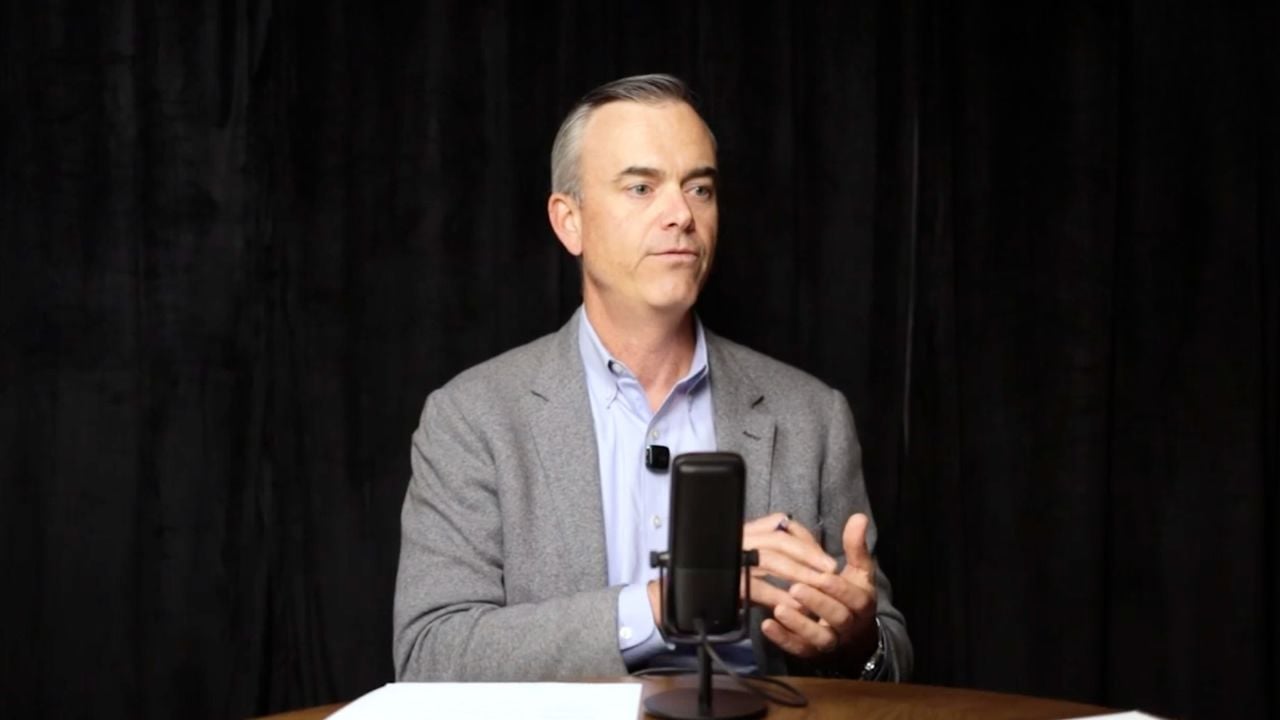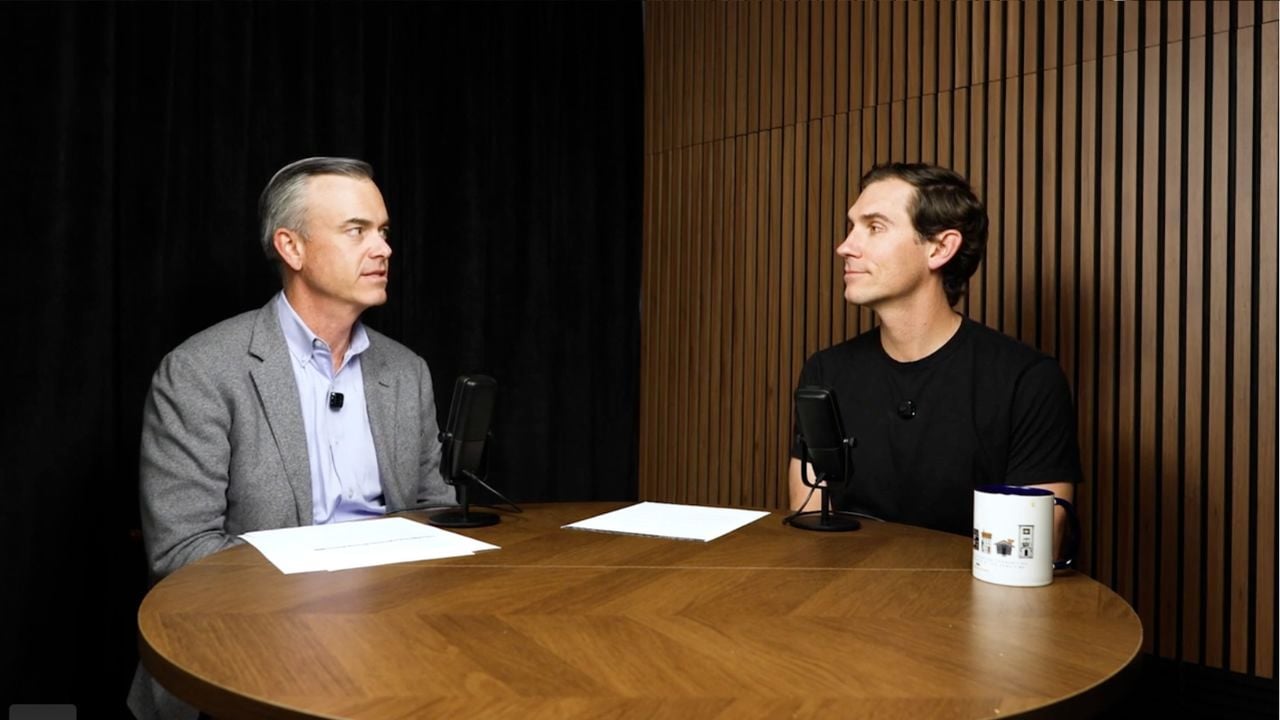
Charlie Pollard on Building a Vendor Safety Net
Listen on Spotify and Apple Podcasts
Charlie Pollard has sat at the closing table for thousands of transactions as a partner at closing attorney firm MMH, which gives him a front-row seat to what actually separates agents who thrive from agents who struggle. On this episode of The Justin Landis Show, Charlie, Justin's longtime friend since their first day at Georgia Tech, joins the show to share what he's learned.
From Engineering to the Closing Table
Charlie's path to becoming a closing attorney wasn't a straight line. He and Justin met on their first day of college bonding over mediocre college football teams, and both went on to study engineering and work in software consulting. Charlie eventually went to law school, drawn to transactional work and an early interest in real estate, and got his start in the industry through a referral from Justin to work for an attorney. He's been in the business ever since.
Common Closing Mistakes New Agents Make
Charlie points to two patterns he sees often with newer agents. First, writing overly technical, poorly constructed special stipulations into contracts during a walkthrough, often without realizing that a GAR (Georgia Association of Realtors) form already exists for nearly every situation. Once a stipulation is signed, it's part of the contract everyone has to work with, so getting it wrong early creates problems down the line.
Second, Charlie sees agents who haven't yet found their footing have a complete meltdown over small walkthrough issues, like scratches on a floor, days before closing, convinced the whole deal is falling apart. His take: there's always a solution, and agents with the right broker, mentor, or closing attorney in their corner should trust that someone has seen the exact same problem before.
You Don't Have to Be an Expert in Everything
One of Charlie's central points is that no agent is expected to be an expert in law, home inspection, or lending. Clients don't expect a new agent to know everything, they expect an agent who can find the right answer quickly. That's where having a vendor safety net, people you trust and have relationships with, becomes essential. It's a way to project confidence precisely by knowing what you don't know, and knowing exactly who to call.
The Three Vendors Every Agent Should Have on Speed Dial
Charlie's advice: have more than one of each, but at minimum, every agent should have a closing attorney, a mortgage lender or two, and a handyman. A closing attorney helps navigate legal complexities on a listing (like a title holder who has passed away) before they derail a deal. A handyman or contractor helps quantify physical property issues that come up on both the listing and buyer side. And a lender helps navigate the wide range of financial situations buyers bring, from traditional income to self-employment, trust funds, or retirement accounts.
How Brokerage Relationships Multiply Your Network
Charlie notes that brokerage-level relationships, like the joint venture between Bolst and MMH for title insurance, give even brand-new agents access to fast, high-quality advice from day one. A warm connection (through a mentor, broker, or even a shared alma mater) genuinely changes how responsive and thorough a vendor's advice will be, since human nature favors people with an established relationship.
The Most Common Closing Table Problems
Charlie identifies two of the most frequent issues at closing: financing delays from lenders who don't close reliably, and repair work from the final walkthrough that still hasn't been completed. His advice for the repair issue: build in several days of buffer between repair work and the actual walkthrough, ideally three to four days, rather than trying to fix everything the morning of closing. He also recommends reading your specific client: some clients will always find something to flag, so building in more buffer time protects against a high-stress, last-minute scramble.
Make Sure Sellers See Their Numbers in Advance
One of Charlie's most practical pieces of advice: never let a seller arrive at the closing table without having already seen their bottom-line numbers. It sounds obvious, but he says it doesn't happen every time. A seller who's confused or surprised by their wire amount at the table can derail the mood for the entire room. Agents should confirm a few days ahead of closing that their seller has reviewed and understood their numbers.
What Separates Agents With Smooth Closings From the Rest
Charlie says communication and confidence set successful agents apart, confidence that comes directly from having a trusted safety net to call on. The worst closings, in his experience, are the rare ones with surprises at the table itself, almost always avoidable with better preparation and earlier communication.
Why Closing Day Should Be a Celebration
Charlie reframes the purpose of closing day: it's not just the moment an agent gets their check, it's often the last meaningful chunk of time an agent gets to spend with a client, and a major milestone worth celebrating. Being present, prepared, and relaxed (rather than anxious about getting paid) turns closing into an opportunity to strengthen a relationship that can generate referrals for years to come.
Be Willing to Delay a Closing When It's the Right Call
One trait Charlie associates with the most successful agents: the willingness to delay a closing, even at the risk of not getting paid that day, if it's genuinely in the client's best interest. Confidence paired with grace, knowing that doing right by a client now pays off down the road through trust and future referrals, is something he's seen consistently separate top agents from the rest.
The Real Test of a Professional Relationship
Charlie closes with a simple test for whether you actually have a professional relationship with someone, as opposed to just an acquaintance: will they take your call and give you their full attention on something they aren't getting paid for? If someone won't help you without compensation on the line, he argues, you don't yet have a real relationship, you have to keep building toward one.
Listen to the Justin Landis Show
Every week, Justin brings in experts from across the real estate industry, including agents, brokers, investors, and leaders, to share what actually works. Expect real stories, real strategies, and no fluff.
Subscribe wherever you listen to podcasts so you don't miss an episode.
Ready to explore what's possible in Atlanta real estate?
🏡 Buy or sell with Justin Landis Group: justinlandisgroup.com
🌟 Join or learn about Bolst: bolst.homes
Justin Landis is the founder of Justin Landis Group and Bolst, two of Atlanta's leading real estate companies. He lives in Atlanta with his wife and three daughters and has been selling Atlanta real estate since 2008.