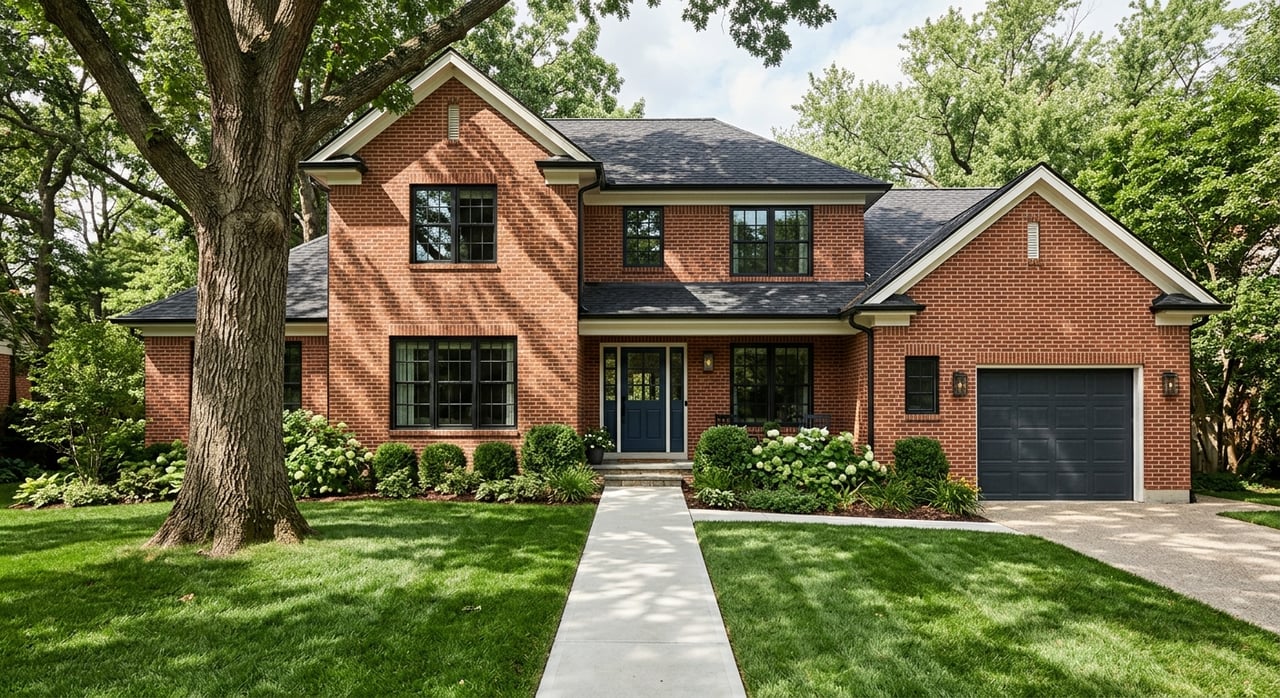
Trying to choose between an established neighborhood and a newer community in Alpharetta? It is a common decision, and the right answer depends on how you want to live day to day. If you are weighing yard space, walkability, commute patterns, maintenance, and overall feel, this guide will help you compare the tradeoffs clearly. Let’s dive in.
Why this choice matters in Alpharetta
Alpharetta is a compact, high-value market with about 67,275 residents across 26.9 square miles and 27,878 housing units. It is also largely owner-occupied, with a median owner-occupied home value of $649,000. In a market like this, choosing the right community style matters because your budget often needs to stretch across both home price and lifestyle priorities.
Your commute can shape that decision too. The typical commute to work is about 26.3 minutes, which helps explain why access to GA 400 and major activity centers comes up so often in home searches. In Alpharetta, where you live can affect not just convenience, but how much you enjoy your daily routine.
Alpharetta’s planning priorities also help explain the local housing mix. Newer housing often comes through redevelopment and infill, especially around Downtown and North Point, rather than through huge greenfield subdivisions. That means newer options may look and feel different from older suburban neighborhoods, even when they are only a few miles apart.
What established communities often feel like
Established Alpharetta communities often appeal to buyers who want space, privacy, and a more traditional neighborhood layout. These areas usually have mature trees, deeper setbacks, and a more settled-in look that can be hard to replicate in newer development. You may also find more variation in home style, lot shape, and architecture.
Windward is one of the clearest local examples. The community includes 44 neighborhoods across 3,000 park-like acres around a 200-acre lake. Its amenity network includes tennis, padel, pickleball, aquatics, and marina features, reflecting the kind of long-established community structure many buyers still seek.
For you, that can translate into a lifestyle with bigger yards and a little more breathing room between homes. If your priority is outdoor space, a traditional suburban street pattern, or a neighborhood that feels fully grown in, established communities often check those boxes. They can also offer a wider range of home ages and layouts.
Benefits of established neighborhoods
Established Alpharetta communities often stand out for a few practical reasons:
- Larger lots and more private outdoor space
- Mature landscaping and tree cover
- Greater variety in architecture and home age
- A more traditional suburban layout
- Longstanding amenity systems in some communities
If you picture yourself enjoying a larger yard or value a neighborhood with a more rooted feel, this side of the market may fit you best.
What newer communities often offer
Newer Alpharetta communities usually attract buyers who want convenience, updated layouts, and easier access to shopping, dining, and walking paths. In many cases, these homes are more compact and more closely tied to mixed-use development. That can make daily life feel more connected and less car-dependent.
Avalon is the strongest example of this model in Alpharetta. It is an 86-acre mixed-use community with more than 570,000 square feet of retail, a 12-screen theater, a conference center, a hotel, office space, single-family residences, and luxury rental homes. Its location near GA 400 and Old Milton Parkway also highlights how newer communities often center on both access and lifestyle.
Downtown Alpharetta offers a similar appeal, with a stronger walkable-core feel. The area is designed for walking, with coffee shops, boutiques, restaurants, and community spaces within a few blocks. The Alpha Loop further connects Downtown, Avalon, the North Point Eco District, and Northwinds, with key trail connections opening on June 1, 2024.
Benefits of newer communities
If you are drawn to low-maintenance living and nearby amenities, newer communities may offer more of what you want:
- More modern floorplans and finishes
- Easier access to retail, dining, and entertainment
- Greater walkability in key areas
- Smaller yards with less outdoor upkeep
- HOA-managed common areas and shared amenities
This type of community can work especially well if your lifestyle centers on convenience and you would rather spend less time maintaining a yard.
Walkability and daily convenience
One of the biggest differences between established and newer communities in Alpharetta is how daily errands and outings feel. In newer areas near Downtown, Avalon, and North Point, planning has focused heavily on connectivity. That includes pedestrian routes, redevelopment, and a more integrated street experience.
Downtown Alpharetta is built around that idea. The city’s walking network and the Alpha Loop make it easier to move between destinations without getting in the car for every stop. If you value being near restaurants, shops, and community spaces, newer infill communities may feel more convenient.
Established neighborhoods may offer a quieter setting and more privacy, but they often depend more on driving for day-to-day needs. That is not necessarily a drawback. It simply means the tradeoff is usually space and separation versus walkable access.
Commute and transportation factors
GA 400 remains the key mobility corridor for Alpharetta buyers. That matters whether you are moving across town, commuting into other parts of metro Atlanta, or simply trying to stay connected to major employment and retail hubs. In practical terms, community location can affect both drive times and future transportation options.
State transportation planning points to continued investment along the SR 400 corridor. The express lanes project is intended to provide more reliable trip times, is anticipated to open in 2031, and will include MARTA Bus Rapid Transit service with stations at North Springs, Holcomb Bridge, North Point Mall, and Windward Park & Ride. MARTA also serves Alpharetta area routes including North Point Parkway, Haynes Bridge Road/Milton, Windward Park & Ride, and Alpharetta.
For you, that means homes near Avalon, Downtown, North Point, and the Windward Parkway corridor may align more closely with walkability and future transit access. Older neighborhoods may still work well for your commute, but the convenience may come more from roadway access than from nearby mixed-use or transit-oriented features.
Maintenance and long-term costs
A home’s age affects more than its style. It can also shape your maintenance budget over the next few years. In established communities, a home may look beautifully updated but still include older structural or mechanical systems.
That distinction matters because year built refers to when the structure was first constructed, not when it was remodeled. So even if a kitchen or primary bath feels current, you still need to consider the age of the roof, HVAC, plumbing, windows, and exterior materials. Ongoing maintenance and repair planning is part of owning an older home.
Newer homes often reduce near-term upkeep, which can be appealing if you want more predictability early on. At the same time, lower maintenance on the home itself may be balanced by HOA dues and shared-area costs. The key is to compare the full monthly and long-term cost, not just the list price.
Costs to compare side by side
When you are choosing between established and newer communities, compare these items together:
- Purchase price
- HOA dues
- Expected renovation costs
- Timing of major system replacements
- Yard and exterior upkeep
- Commute-related costs and convenience
In Alpharetta, where home values are high, these details can make a meaningful difference in what feels affordable over time.
Which type of Alpharetta community fits you?
If you want land, privacy, mature landscaping, and a more traditional neighborhood feel, an established community may be the better match. Windward is a strong example of that model. Buyers who care most about lot size and a settled environment often start here.
If you want walkability, newer layouts, lower yard maintenance, and easier access to dining, retail, and connected activity centers, a newer community may fit better. Avalon and the Downtown Alpharetta corridor are the clearest local examples. Buyers who value convenience and a more connected daily routine often prefer this side of the market.
There is no universal winner between established and newer communities in Alpharetta. The better choice is the one that matches how you live, what you want to maintain, and where you need to go most often. A clear side-by-side comparison can help you buy with more confidence.
If you are ready to explore Alpharetta neighborhoods with a local, practical strategy, Bolst Homes can help you compare options, refine your priorities, and move forward with confidence. Find a Home. Make an Impact.
FAQs
What is the main difference between established and newer communities in Alpharetta?
- Established communities usually offer larger lots, mature landscaping, and a more traditional neighborhood feel, while newer communities often offer walkability, modern layouts, and easier access to mixed-use destinations like Downtown Alpharetta and Avalon.
Are newer Alpharetta communities more walkable than older neighborhoods?
- In many cases, yes. Newer areas near Downtown, Avalon, North Point, and the Alpha Loop are more closely tied to walkability and connected amenities than many older suburban-style neighborhoods.
Do established Alpharetta homes usually need more maintenance?
- They often can, because the home’s original construction date may mean older roofs, HVAC systems, plumbing, or exterior materials even if cosmetic updates have been made.
Is Windward an example of an established Alpharetta community?
- Yes. Windward is a well-known established community with 44 neighborhoods across 3,000 acres around a 200-acre lake, along with a broad amenity network.
Is Avalon an example of a newer Alpharetta community style?
- Yes. Avalon reflects Alpharetta’s newer mixed-use model, combining residences with retail, dining, entertainment, office space, and convenient access near GA 400.
What costs should you compare when choosing a community in Alpharetta?
- You should compare purchase price, HOA dues, renovation needs, expected maintenance, likely system replacement timing, and commute-related convenience or costs.