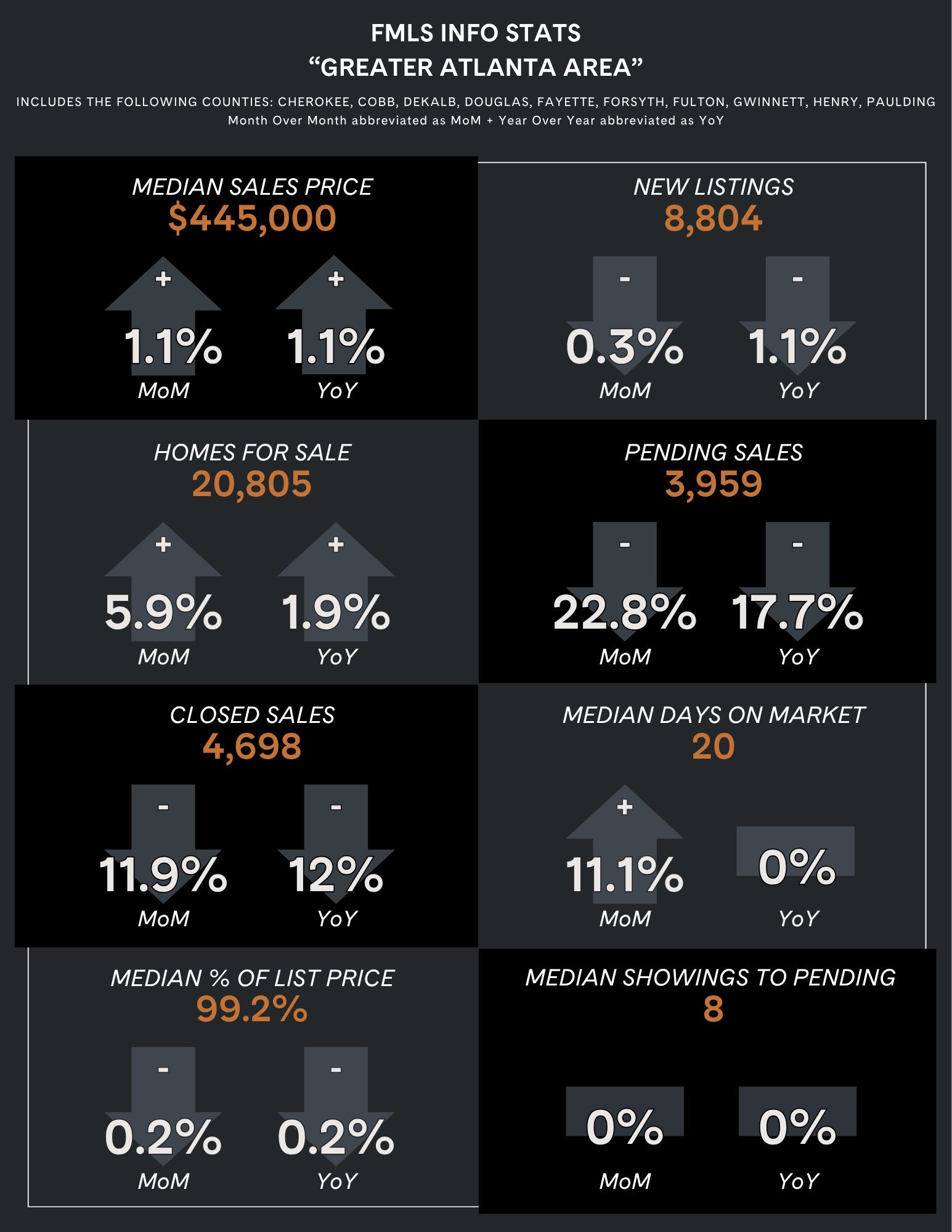
June Market Update
While many agents describe the current market as slower and more challenging than expected, the data continues to tell a more balanced story. Most key indicators—including days on market, sales price to list price, showings, and overall inventory—remain remarkably similar to this time last year. Home prices also continue to show resilience, with median sales prices up year-over-year, driven primarily by strong demand for well-prepared, move-in-ready single-family homes, while attached properties continue to face softer demand.
The biggest challenge isn't necessarily a declining market—it's a more selective one. Buyers have become increasingly intentional, with only the strongest listings moving quickly while many others experience longer market times, price reductions, or are ultimately withdrawn. This has made pricing strategy more important than ever, as sellers are no longer competing only with recent comparable sales but also with the growing number of active listings that have yet to sell.
For both buyers and sellers, communication and realistic expectations continue to be critical. Buyers are finding opportunities through builder incentives, negotiated pricing, and homes that have been on the market longer, while sellers who remain flexible and responsive to feedback are putting themselves in the strongest position to reach the closing table. Overall, the market remains steady rather than stagnant, rewarding those who stay informed, adapt to changing conditions, and take decisive action instead of waiting for the market to change.
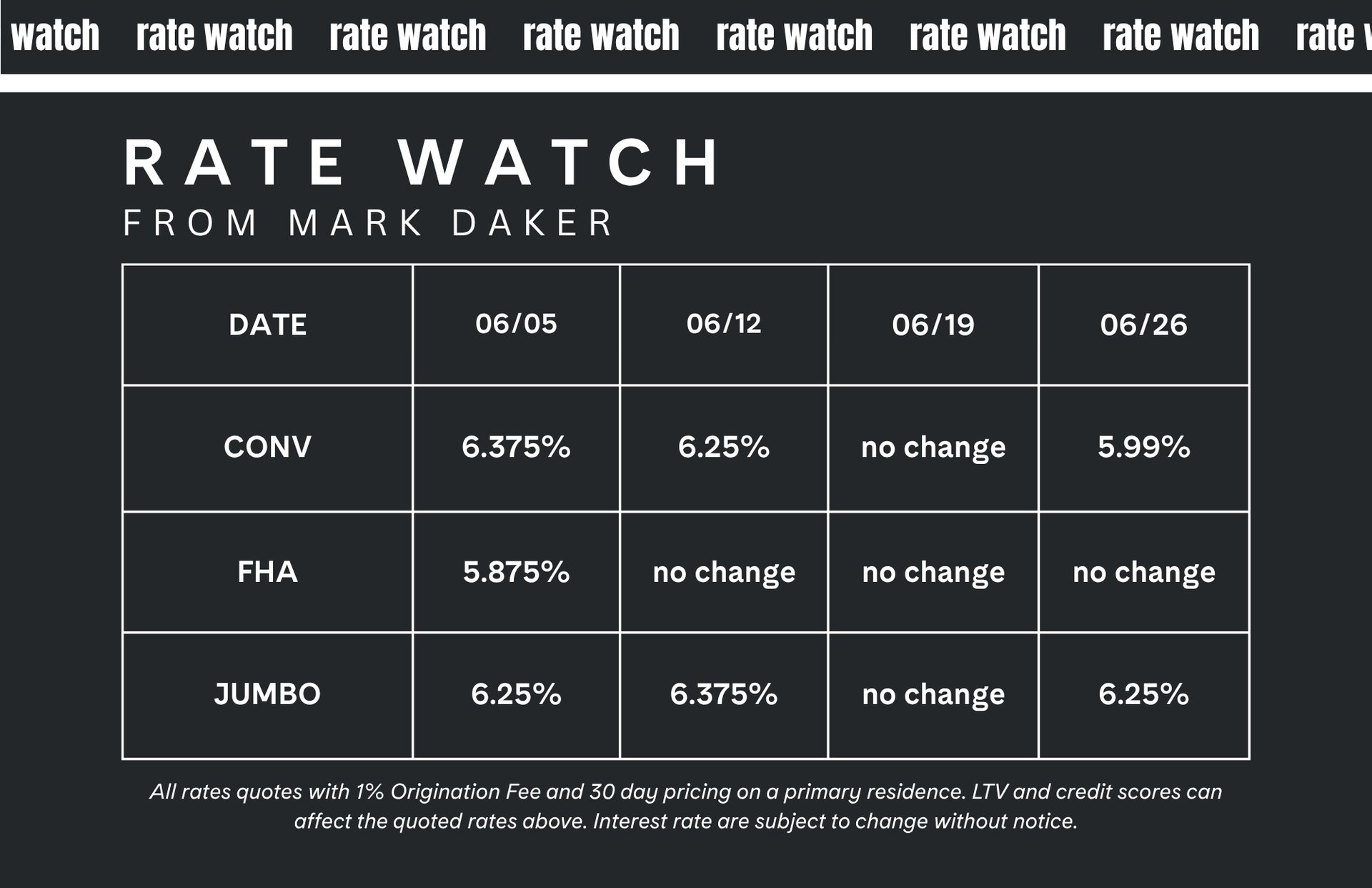
Mark Daker from Ameris Bank Insights
June was another eventful month for mortgage rates, with markets continuing to balance strong economic data against ongoing geopolitical uncertainty. While optimism surrounding international peace negotiations occasionally helped rates move lower, shifting developments overseas and persistent concerns about inflation kept volatility elevated throughout much of the month. Falling oil prices and renewed bond market demand provided some relief, though market sentiment remained highly reactive to global headlines.
Economic reports throughout June largely reinforced the strength of the U.S. economy. Employment data significantly exceeded expectations, job openings reached their highest levels in several years, and manufacturing activity showed renewed growth. At the same time, inflation readings remained elevated, with the Fed's preferred inflation gauge rising higher than anticipated. Strong economic conditions continued to reduce expectations for near-term rate cuts, while several Federal Reserve officials even suggested that additional rate hikes could remain on the table if inflation persists.
Despite these mixed signals, mortgage rates finished the month lower than many expected. Increased demand for bonds helped offset some of the upward pressure from stronger economic data and inflation concerns, allowing rates to improve from their recent highs. June served as another reminder that while economic fundamentals remain important, mortgage rates continue to be shaped by a combination of global events, Federal Reserve expectations, and broader market sentiment.