September 2026 Market Update
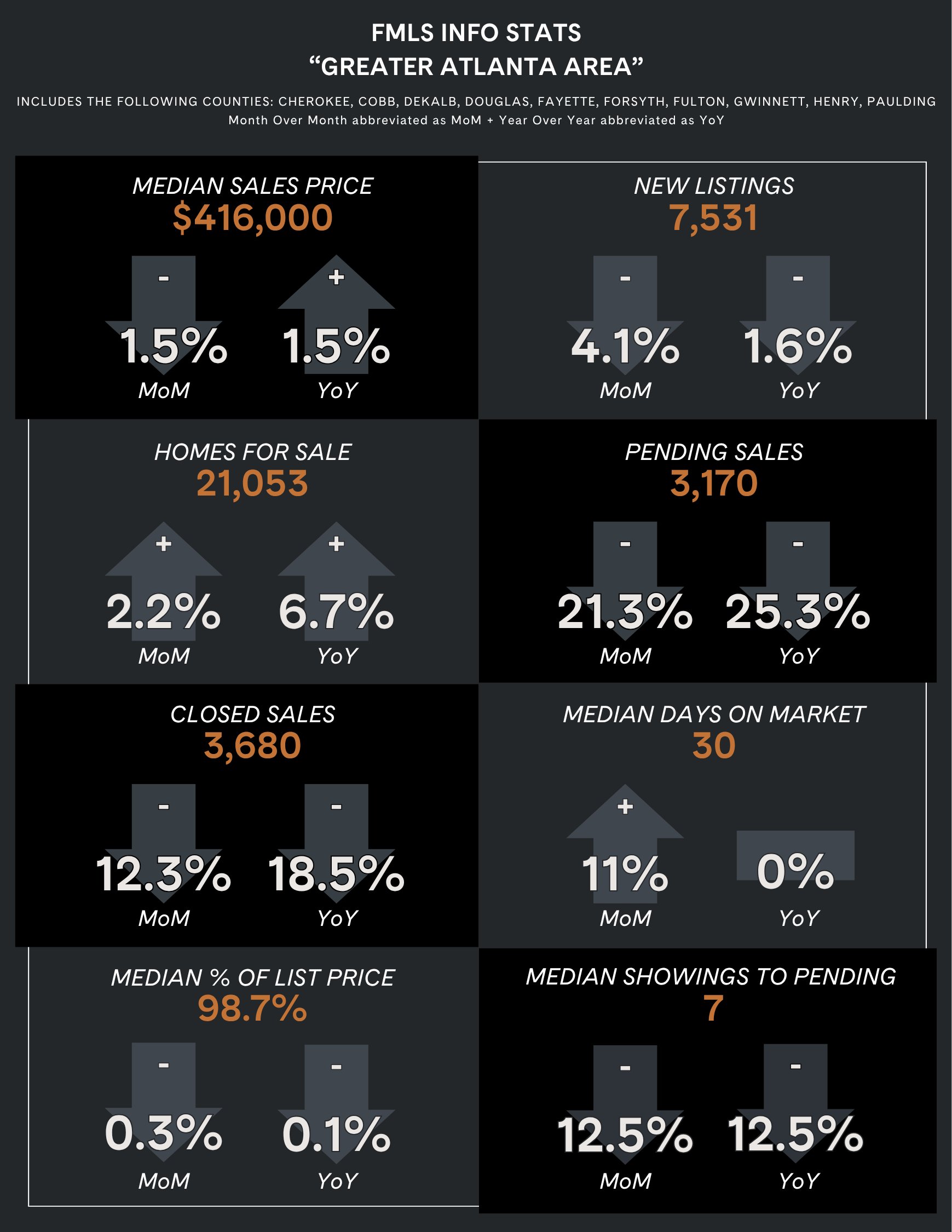
The Metro Atlanta real estate market continues to show resilience in pricing, even as buyer activity begins to slow. Median sales prices remain relatively flat year-over-year, despite higher interest rates and continued economic uncertainty. However, these figures only reflect homes that have actually sold, not the growing number of properties sitting on the market. Many homeowners have significant equity and favorable existing mortgage rates, giving them the flexibility to hold onto their properties rather than accept substantial price reductions.
While new listings remain relatively consistent with last year, overall inventory has increased as fewer homes move into pending status. Showing activity has also slowed considerably, averaging just 2.8 showings per listing for the month. This creates a challenging environment for sellers, particularly those expecting the level of activity seen in previous years. At the same time, the market is becoming increasingly dependent on individual circumstances, with some properties continuing to command strong prices while others require significant negotiation to attract buyers.
For buyers, this shift is creating opportunities to negotiate on homes that have been sitting longer, whether through price reductions, seller concessions, or financing incentives. For sellers, flexibility and realistic expectations are becoming increasingly important. In some cases, adjusting the price may be the best path forward, while others may benefit from exploring alternatives such as renting or waiting to sell.
Overall, the market remains relatively stable in pricing but more challenging in transaction activity. Success increasingly depends on understanding the motivations of individual buyers and sellers, maintaining open communication, and finding creative solutions that help both parties move forward.
Lender Insights from Mark Daker with Ameris Bank
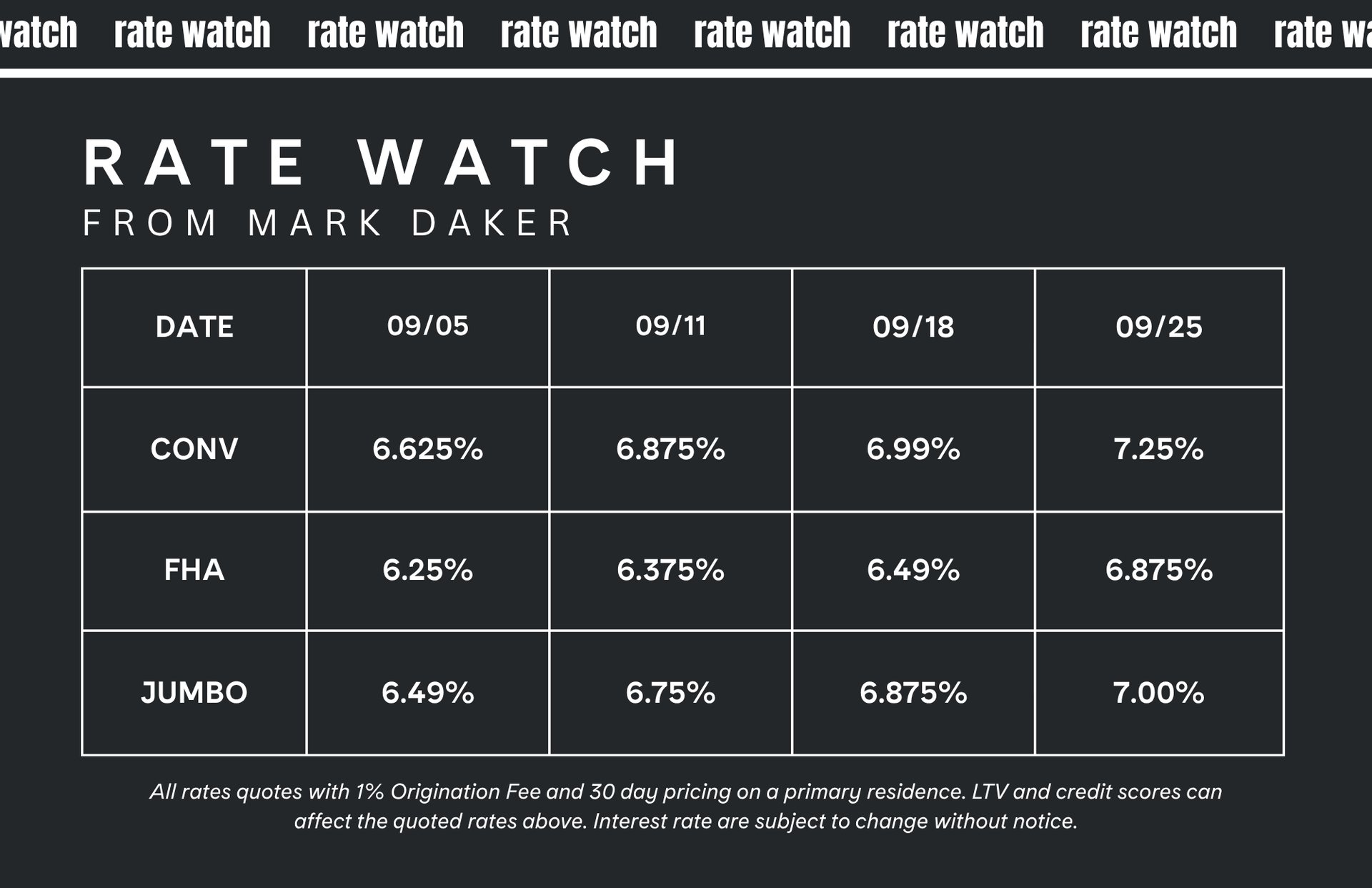
September brought continued challenges for mortgage rates, with rates climbing to their highest levels in nearly two years. Ongoing conflict in Iran and rising oil prices remained major contributors to inflation, putting additional pressure on interest rates. A stronger-than-expected employment report, showing 163,000 new jobs compared to the anticipated 60,000, also reduced expectations for potential rate cuts.
Inflation concerns led the Federal Reserve to raise rates for the first time in three years, with officials signaling the possibility of additional increases before year-end. While underlying inflation remained relatively stable, rising food and energy costs pushed overall inflation above the Fed’s target. Treasury yields also climbed to nearly 20-year highs as weak bond demand and expectations for further rate hikes weighed on the market.
Pending home sales declined approximately 5% year-over-year in August, though the South showed relative strength with a 2.5% increase compared to July. Looking ahead, mortgage rates will likely remain sensitive to inflation and geopolitical developments, with easing energy prices and a potential resolution to the Iran conflict offering some hope for lower rates.