Agent Q&A: Justin Answers Your Biggest Real Estate Questions with Suzie Consoli
Listen on Spotify and Apple Podcasts
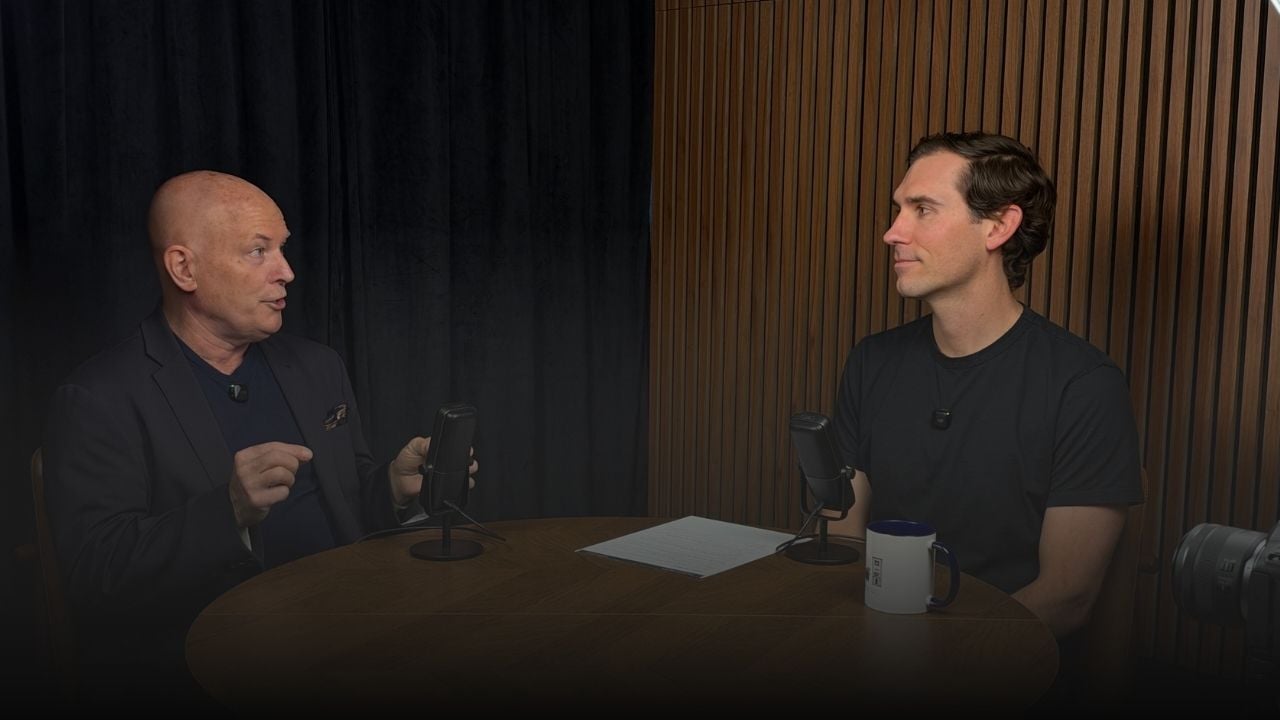
For this episode of The Justin Landis Show, the tables turned. Suzie Consoli, the producer behind the podcast who is normally working behind the scenes, stepped into the host chair and put Justin Landis in the hot seat. Using real questions submitted by JLG and Bolst brokers, questions they field from new agents every single day, Suzie fired off a rapid round of the topics agents care about most, and Justin answered them live, without knowing the questions in advance.
Fear Is the Biggest Mistake Agents Make
Asked what separates agents who succeed from those who struggle, Justin didn't point to skill or market knowledge. He pointed to fear: fear of looking silly, of being embarrassed, of rejection, of not being successful. His take is that the actual work of real estate isn't that complicated, agents just make it complicated because of what's happening in their own heads. Confidence and trust in yourself, he says, moves the needle more than almost anything else.
Daily Habits for New Agents
For a new agent wondering what to do every single day to grow their business, Justin's answer is simple and old school: meet somebody new face-to-face every day, have a conversation, bring up real estate, and follow up. Real estate, at its core, is a relationship business.
Team vs. Solo, and Buying Leads
On whether to join a team or go solo, Justin recommends joining a team when starting out, since it comes with a proven system, mentorship, leadership, and often leads, without having to reinvent the wheel. The right time to go solo, in his view, is when an agent genuinely believes they could run things better than the team they're on.
On buying leads, Justin is candid that there's no universal answer. He's personally had both success and real financial losses buying leads. His advice is to be honest about whether you have the capital and the sales and follow-up skills to actually work leads the way they need to be worked, since most people calling in aren't ready to buy a home that afternoon.
Training Over Commission Split (At First)
When it comes to choosing a brokerage, Justin says training matters more than commission split for a new agent, for a simple reason: any split of zero sales is still zero. Once an agent has more experience, the decision becomes more complex and factors like brokerage cost start to matter more, but for someone brand new, training should come first.
Picking a Niche
Justin's advice on niches: new agents should pick a couple of areas to go deeper in rather than spreading themselves across fifty different strategies. Two examples he points to as consistently effective: a relationship-based niche built on conversations and getting to know people, and becoming the go-to expert in your own neighborhood, especially if you've lived there a while and there's a strong sense of community.
What Real Estate Training Missed
Reflecting on his own path, Justin says his early training was heavy on lead generation, which he's grateful for since it's essential to have business coming in. What he wishes he'd had more of was training on the economics of running a profitable, sustainable business long term, not just generating leads, but building something durable.
Financially Preparing for a Real Estate Career
Justin points back to a prior guest, Khadeen Brooks, who met with a financial advisor and built a one-year plan before leaving her corporate job, cutting expenses and understanding her margin and income needs ahead of time. His advice for anyone considering the leap: make a plan, ideally with a financial advisor, but if that's not accessible, use AI or Google to run the numbers yourself. A plan dramatically increases the odds of making it through year one.
The Real Math Behind Rejection
On the topic of rejection, Justin shares numbers that put it in perspective. Zillow leads, often considered some of the best in the business, typically close in the four to five percent range, meaning roughly nineteen no's for every yes. Most online leads overall close closer to one percent, or about ninety-nine no's to one yes. His point: agents often blame the leads themselves when really it's simply the math of how these leads convert. The leads aren't bad, the conversion rate is just low, and rejection is part of the process.
What Makes Good Comps and a Competitive Offer
For pricing a home, Justin says location comes first, comparable school districts and neighborhoods, and after that, the more similar the comps the better: same builder, close proximity, similar age of construction. He'd rather go back further in time to find a truly similar comp than use a recent sale that doesn't match well.
On what makes an offer competitive beyond price, Justin points to certainty: a short due diligence period, high earnest money, and working with a lender who allows offers without a financing contingency so the deal isn't at risk of falling through partway through closing.
Relationships Win Competitive Situations
Justin's advice for buyer's agents trying to help their client win a competitive offer: build a relationship and actually talk to the listing agent instead of communicating only by text. Understanding what matters most to the seller and the listing agent lets you craft an offer with the best real chance of winning.
Guiding Sellers Through the Listing Process
For listing agents, Justin emphasizes asking great questions upfront to understand a seller's actual situation before giving advice. A low cash offer might look like a bad move on paper, but it could be exactly what a seller needs if they want to sell as-is or move quickly. Good advice can only come after understanding someone's real goals.
What Separates a Lasting Business from a Top Producer
Asked what separates agents who build a lasting business from those who don't, Justin points to a consistent touch plan with people who already know, like, and trust you, so business keeps coming in year after year instead of starting from zero. What separates a good, sustainable business from a truly top-producing one, he says, is that top agents never get stagnant. They keep meeting new people and expanding their relationship portfolio, turning twelve closings a year into sixteen, then twenty, then thirty, compounding growth instead of settling.
Knowing When to Leave a Brokerage
Justin outlined two signs it might be time to leave a brokerage: a lack of real relationship, where your absence wouldn't be noticed or missed, and a lack of support, where the brokerage doesn't have your back when you need help. A good broker relationship, in his view, is built on trust: knowing the broker will respond, knows what they're doing, and genuinely has your best interest in mind.
What's Next for Bolst
Wrapping up, Justin shared what excites him most about the future: Bolst expanding throughout Atlanta, becoming a visible, trusted presence across the city, and the community impact that comes with that growth.
Listen to the Justin Landis Show
Every week, Justin brings in experts from across the real estate industry, including agents, brokers, investors, and leaders, to share what actually works. Expect real stories, real strategies, and no fluff.
Subscribe wherever you listen to podcasts so you don't miss an episode.
Ready to explore what's possible in Atlanta real estate?
🏡 Buy or sell with Justin Landis Group: justinlandisgroup.com
🌟 Join or learn about Bolst: bolst.homes
Justin Landis is the founder of Justin Landis Group and Bolst, two of Atlanta's leading real estate companies. He lives in Atlanta with his wife and three daughters and has been selling Atlanta real estate since 2008.