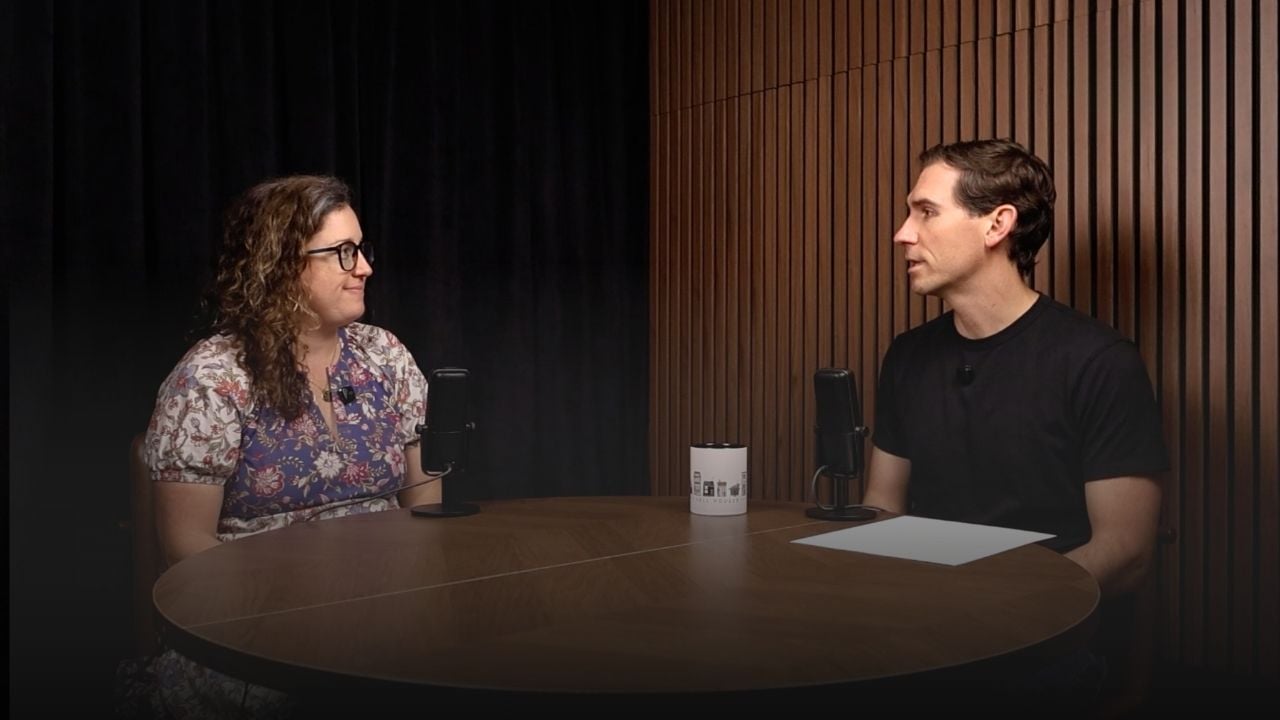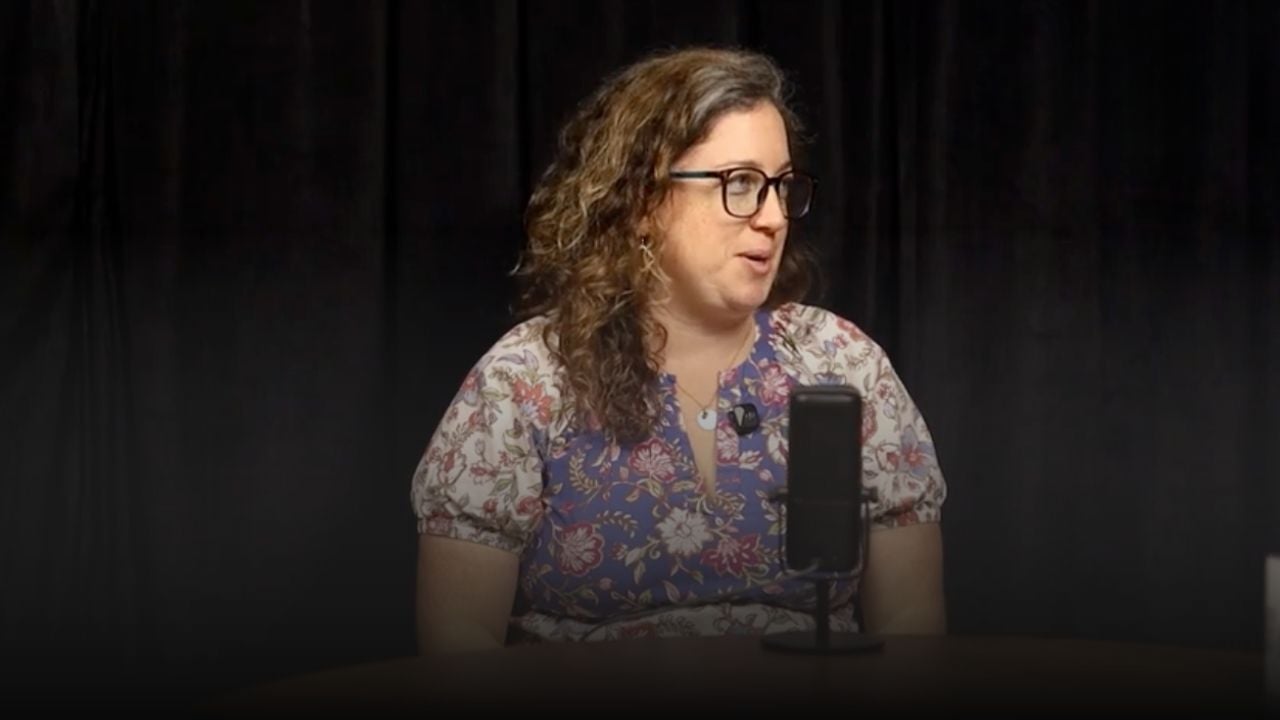
If you’d prefer to listen, you can stream the full episode here or watch the video version here. For accessibility, we’ve included the full transcript below for anyone who prefers to read along or who is hearing impaired.
This episode is a little different. Justin is live coaching Adrienne through a real business challenge.
Justin Landis: Welcome to The Justin Landis Show, your real estate podcast about having conversations, building relationships, and creating freedom. Today I'm here with one of our awesome Bolst agents, Adrienne Sherwood. Adrienne, thanks for being here.
Adrienne Sherwood: Thanks for having me.
Justin Landis: This is going to be a little different today. A few weeks ago we asked if anyone had a challenge they'd be willing to work through live, and Adrienne applied. She wants to become the local expert, the go-to agent in Smyrna, so that's what we're digging into. Adrienne, thanks for having the courage to do this.
Adrienne Sherwood: Thanks for having me, I'm excited.
Justin Landis: Give everybody some background on your career, you've been doing this a while and had real success, that'll lay the groundwork.
Adrienne Sherwood: I've been doing this for 10 years, which is wild. I've done it a few different ways, solo at first, then tried building a small team for a couple years, then joined someone else's small team, and now I'm solo again. I've had a couple of business coaches along the way, but really built my business on my personal network and relationships I've had in the city for a long time.
Justin Landis: What did you learn across those different setups, and how has that shaped where your business is today?
Adrienne Sherwood: Something I love about real estate is you can reinvent yourself as you evolve. I need a good amount of change and autonomy, along with some structure, so it really came down to where I was in my own season of life and growth. What I learned is that I prefer being a solo agent with low staff management, contracting out what I need, though the small team environment was genuinely good for me in a different season. Those feel like my sweet spots in this business.
Justin Landis: You've also made a location change during your career. Tell us about that, and give us an update on where your business stands right now, where it's coming from.
Adrienne Sherwood: I built my business while living in the city, through friendships with people mostly in a similar stage of life as me. I didn't know any realtors in my own sphere when I got my license.
Justin Landis: That's actually a great place to be, I've been there.
Adrienne Sherwood: It really was great. A lot of my friends didn't own homes yet either, so I was kind of one of the first. I was single, used down payment assistance to buy my first house in Old Fourth Ward for $246,000.
Justin Landis: That was a great buy.
Adrienne Sherwood: It really was. I was transitioning out of nonprofit fundraising work at the time, and realized there were a lot of similarities, talking to people, letting them know you're on a mission. My mission was helping people build wealth through real estate, and I did that well for years while the market was recovering. Then almost three years ago, my family moved out of the city to Smyrna, which I call the fake suburbs, we're close to in-town living but technically OTP. A lot of my clients had already moved there and raved about it, so I knew people loved it. I kept my business within my existing referral base at first, I go wherever my people are. But being in Smyrna and seeing how the community feels like a small town inside a big city, I'd love to help people there specifically, not just because of the city, but because of my actual neighborhood.
Justin Landis: How has that gone so far? Have you had success, has it been a struggle, what's that looked like?
Adrienne Sherwood: I have two small kids, four and six, so it's been kind of dual purpose relationship building, because I genuinely want friends there too, not just clients. My son's been on a sports team every season since we moved, that's seven or eight different parent groups. We're at the local preschool, the elementary school, I'm on the school foundation board, this will be my second year, and my company sponsors the school, so I show up and table and network there. I've been a room parent for my son's kindergarten class, and I was determined to do a monthly play date even though my co-room parent, who had a second grader, said they don't really do that. We tried it anyway, and it was a huge success. The teacher told me just last month that she thinks those play dates are what made our class feel so special. That's carried momentum, we've stayed in touch, and now I've got a whole new set of parents in my son's first grade class. But I don't know that people actually know who I am or what I do, outside of being Harrison's mom.
Justin Landis: What makes you say that?
Adrienne Sherwood: It just doesn't come up naturally in our conversations. I do have a community event in October I've started inviting people to, so I think there's some awareness, but it's not something that surfaces organically.
Justin Landis: It sounds like you're doing a lot of great things, meeting a lot of new people, and staying in contact. Is that accurate?
Adrienne Sherwood: Yes, I've started adding them to my database and doing some RP calls around it too.
Justin Landis: That's relationship portfolio, basically figuring out whether Adrienne would be someone's go-to agent, whether they already have one, it really defines the relationship. So it sounds like you're taking good steps. Are you seeing results yet, or not?
Adrienne Sherwood: Not yet. My target client has shifted somewhat too, in Smyrna it's more second and third time buyers who already love the area, so if I'm meeting them there, a move usually only happens if a job pulls them elsewhere or they need a bigger or smaller home. It's harder to identify a new relationship, they might already have a go-to agent, and the frequency of moves is just a lot lower and different than it was for people in the city.
Justin Landis: Are the people in this group transacting at all, just with someone else? Or are people genuinely not moving? Because your strategy would look really different depending on the answer.
Adrienne Sherwood: There was one woman I tried to connect with, but her agent wasn't charging any commission on the sale, just the buy side, and I can't compete with working for free like that. I'd say it's probably a mix, I do see some signs go up in my neighborhood, so some activity is happening, but overall it feels like less activity than what I was used to in the city.
Justin Landis: One practical thing would be figuring out definitively whether people are moving or not. If people are moving, a lot of this comes down to becoming their go-to person, going from Adrienne, who throws these awesome play dates, to Adrienne is my real estate agent. If people genuinely aren't transacting, you can't manufacture a transaction out of thin air, and you'd need to instead find the people in the neighborhood who do have signs in their yard, who might not be the same people at school planning to stay long term. One practical step: look at how many transactions happened in your target area last year, and go through your database to see how many of those people actually moved in the last year. That tells you the real level of activity you're working with.
Justin Landis: Assuming there are people transacting, which I'd guess there are, it really is what you said, making the jump from people knowing Adrienne to Adrienne being the local Smyrna expert. I've got some thoughts, but I'm curious what you think first. What do you think helps someone make that transition?
Adrienne Sherwood: I think the warmth piece at the beginning matters a lot, people genuinely enjoying being around me, some curiosity about what they do and what I do. But making the jump from I like her and I know what she does, that's where I need the most help. Take soccer season, it's four months long, we've got a moms group thread, we're coordinating things, but after that, some of those people I might not see again except across the field instead of on the same team. So what I want to know is how do I not be salesy, stay a genuine new friend, stay in touch, without coming across too strong or just emailing people without their consent.
Justin Landis: That might not actually be a bad strategy, I'm not opposed to email outreach, but I don't think the number one reason people transact with someone is, they sent me great emails. It could be part of the plan, but let's talk about what happens after you meet someone and get some contact info at soccer. What do you do next to stay in touch and build trust over time? Walk me through your current touch or marketing plan.
Adrienne Sherwood: Honestly, I don't have a great one, that's part of why I'm here. Since I started working with a business coach recently, I've at least put names in a spreadsheet with emails and phone numbers where I have them, and invited people to that one event at my house. Beyond that, maybe adding them on social media so they see more of my business posts. I haven't had a real strategy past that.
Justin Landis: You mentioned a business coach, who is that? You were raving about them before we started recording.
Adrienne Sherwood: Shoutout to Coach Ben at Bolst, he's incredible. We've worked together for a month, but I've sat in on his trainings for years since joining Bolst. This past summer I just hit a point where I felt like I had to get in or get out, because I'd been sputtering. My husband and I were on vacation and he asked what I thought about hiring a coach, and it had honestly never crossed my mind after 10 years in the business. Ben listens to your goals, then asks deeper questions to probe further. I sent him a calendar invite for the things I'm supposed to be doing, he's not there with me, but he knows I'm supposed to be doing it, which helps hold me accountable, and accountability is hugely motivating for me since I work alone. I'd recommend letting someone else lay eyes on your business consistently. Whatever tips you give me today, I can integrate with him and actually make happen, because without someone following up on whether I'm doing it, it's just great ideas.
Justin Landis: You're definitely not alone in that, that's one of the biggest values of coaching for anyone, it's way easier to do something with somebody else who cares about you, knows what they're doing, and holds you accountable.
Justin Landis: Let's break this down, I think we've hit the crux of it. You're meeting people, but we need to get them into a real touch and marketing plan that builds toward becoming their go-to agent. I'll break it into three phases. First, it really helps if real estate comes up naturally in actual conversation. Not leading with who do you know that wants to buy or sell, but just talking naturally, hey what's going on this weekend, oh I'm showing a house, or there was this off-market place in the neighborhood. That lets people know you're an agent and that you're actively doing the work, which opens the door for people who are interested or open to it.
Justin Landis: Want to role play this a little?
Adrienne Sherwood: Let's do it.
Justin Landis: We're moms at soccer practice, you're the mom I'm trying to connect with, I'm the agent.
Adrienne Sherwood: How's the week going? How was work today?
Justin Landis: Oh man, today's been absolutely crazy. We were rolling in here on two wheels, I was showing houses this morning, I've got these awesome clients looking for a killer house right by Smyrna Market Village. We saw some great properties, they really liked one, so it ran long and I thought I wasn't going to make the game. Luckily we made it, but it's been kind of a wild day.
Adrienne Sherwood: So you sell houses.
Justin Landis: Yeah, I help people buy and sell houses, I've done it a long time and love helping people here.
Adrienne Sherwood: That's awesome. I've noticed in our neighborhood there's just signs everywhere, and it seems like houses are sitting longer.
Justin Landis: Have you talked to any neighbors trying to sell, heard anyone's experience?
Adrienne Sherwood: There's a couple people in our Facebook group saying the market's slow and buyers are picky, seems tough out there.
Justin Landis: I'd say more complicated than tough. The house we saw this morning is going to go this weekend, it was an awesome house at a great price. But without good advice on what you're doing, you can end up with a not great result in this market. How long have you all been in your house?
Adrienne Sherwood: Probably six years now.
Justin Landis: Do you love it?
Adrienne Sherwood: We do love it. We've thought about moving closer to downtown though, since we're at the fields constantly.
Justin Landis: We can break there. If you get to the point where they're talking about their actual situation, that's pretty great. I probably could have inserted the how long have you lived here question a bit earlier, but it gets them talking about their real situation.
Adrienne Sherwood: How would you have inserted yourself at that point? Like, hey, if you ever need me, or something like that?
Justin Landis: I probably wouldn't have said anything directly in that moment, if it had been a real conversation. But if you'd mentioned considering a move closer to downtown, that same week I'd probably text something like, this may be totally out of the blue, don't want to step on any toes, but I heard about a house coming, even if it's off market, or saw this one this week and thought of our conversation last week, it's closer to the village and looks amazing, happy to send more info if you want it.
Adrienne Sherwood: That's great. When I had a year of doing one coffee a day, before I had the RP script or anything like that, my two things were always trying to get real estate into the conversation, and always following up on something we'd actually talked about, by text, within a day or two.
Justin Landis: And it wasn't always directly sending a house, sometimes it was something they mentioned, painting their house, refinancing, even a business book totally unrelated to real estate, just some follow-up tied to the actual conversation.
Justin Landis: Back to the plan: if we can get real estate into the conversation naturally, then we need a real personal touch plan, not marketing, not an email, not something they saw on social media, though those matter too, but an actual personal plan. Do you have a touch plan where you're reaching out to a certain number of people weekly?
Adrienne Sherwood: About 30 a week is the goal.
Justin Landis: Are you able to do that consistently?
Adrienne Sherwood: For about a month at a time, and I have to push for it, it takes real effort. I know it works, I've done it less focused than I am now, but having Ben has made my efficiency way higher, I can do more touches faster with clearer expectations. Right now it's mainly past clients, since I've worked with over a hundred people I can work that list, but I don't have a good system for people I haven't transacted with yet.
Justin Landis: There's real opportunity there. If you want to build this community in Smyrna, you need to be doing Smyrna things. You mentioned having an event, one of the easiest approaches is having things to invite people to, it doesn't need to be branded as an Adrienne Sherwood Real Estate event. What would be a good fit for your actual life and schedule, something you'd genuinely enjoy, book club, wine club, dinners, a play date?
Adrienne Sherwood: I've done well with things that include kids too, but I've really wanted to transition into something like a game night, specifically bringing moms together without kids. That probably feels most relevant to what I'd actually be up for.
Justin Landis: We're hosting at my house, love it. Working with Ben on figuring out what you can consistently invite people to gives you a real reason to reach out, and even if someone declines, it makes it way easier to be in their DMs afterward and develop the relationship, hey if you can't make it, want to grab coffee sometime instead.
Justin Landis: Last piece: I'm a big believer in having a real marketing plan too, not cameras and microphones necessarily, but being in people's inboxes and feeds with something valuable, since it's so low cost. How would you describe your current social media strategy around real estate?
Adrienne Sherwood: I have a marketing assistant who gives me five hours a week, which matters a lot because that consistency is important and it's not something I want to spend my own time on. She sends me fun reel ideas to record. My goal is to post to Instagram daily, a mix of fun content, value, and event related posts.
Justin Landis: I love that. Without digging too deep, my two biggest pieces of social media advice are, one, build content around what you're actually trying to attract, so Smyrna-specific content is probably great, and off-market properties are especially high value for lead engagement since people can't just go look at them elsewhere. Two, don't forget the social part of social media, if the moms you're meeting spend real time on Instagram, being in their DMs and living life alongside them builds a better relationship, which makes you more likely to show up in their feed, which makes your Smyrna real estate content more likely to show up too.
Justin Landis: So: have those initial conversations, make sure real estate comes up, get a touch plan in place that's true to you, game night is a great example, better than a generic business networking event, and make sure people see in your marketing that you're active and good at your job, and that reaching out to you is welcome. This isn't cold calling 200 people and booking an appointment by this afternoon, this is building credibility, authenticity, and a network of people who know, like, and trust you and become your clients. What's your honest take on all that?
Adrienne Sherwood: I like it. Something that comes up for me is that it's a lot of intention on my part relationally, which fits me, but in my late thirties this just requires more of me than it did before I had young kids. I'm more tired now, I want my own time too. I love all of it, and I'm also thinking, this needs to be sustainable long term. Do you have thoughts on filling my cup back up? Because after 30 calls or touchpoints a week, I'm pretty depleted.
Justin Landis: That's a great question. What is it for you that, when you get to do it, or don't have to do it, feels genuinely good?
Adrienne Sherwood: Social fun that I don't have to make happen, which is tricky, because I tend to play the role of organizing those gatherings myself. I can pull that off, but I've also learned I like being in a room without working the crowd. I'm an extrovert and I need people, but I don't want to always be on. I do hot yoga, sometimes volleyball, things like that, that's probably the closest answer. I'm curious if you've found anything that works.
Justin Landis: I like to make one decision that impacts a lot of future decisions. So if you said, I'm playing volleyball every Wednesday afternoon, and gave yourself permission that this is not for work, I'm not playing to meet people and convert them into clients, I'm playing because I like it, I think that really helps. I struggled with this myself, there was a point where we'd look at a guest list for something and decide whether to go based on whether we knew people there, whether it would help us meet new people to add to the business. The whole point of being there stopped being about enjoying ourselves. Giving yourself permission that certain settings are just not about that at all, even though the business itself is relational, is really important. Picking something consistent means you don't have to spend brainpower deciding every single week, it's already decided, and Wednesday night is just going to be fun, no business involved.
Adrienne Sherwood: That resonates. Even in fundraising there was always this undertone of everyone you meet could be a potential donor, and people can feel that. I don't want to carry that into every space. Having some internal boundary that says, this space just isn't for that, would really help make this sustainable, because I do want to just be a person too, while still being all of those other things, just balanced in a way that doesn't feel like I'm always on.
Justin Landis: To wrap up on relationship-based business, the belief isn't that we build relationships to use people to generate business. The belief is that if someone I know is going to buy or sell a house, nobody's going to care more than me, nobody's going to do a better job. So why would I want someone I care about working with someone who isn't as good and doesn't care as much? I want people to work with me because I genuinely know how much I care and how good a job we do. So we're not using relationships to generate business, we're genuinely trying to help people, and when you actually believe that and you're great at what you do, the only remaining job is making sure people know, so you get the chance to guide them through it.
Adrienne Sherwood: I love that, it is such a balance. I tend to swing too far casual on one end, and I think this is a good reminder that you can land more in the middle and still be yourself, rather than going to either extreme. Super helpful.
Justin Landis: I cannot wait to hear how this goes, we may have you back to hear the update. Everybody else, thanks for listening today, I'm pretty confident there's something in Adrienne's story that resonates with every single agent listening. If you'd love to work through a challenge like this yourself, we'd love to have you come on the show and share your experience. Make sure you like or subscribe so you never miss an episode, we'll see you again next week.