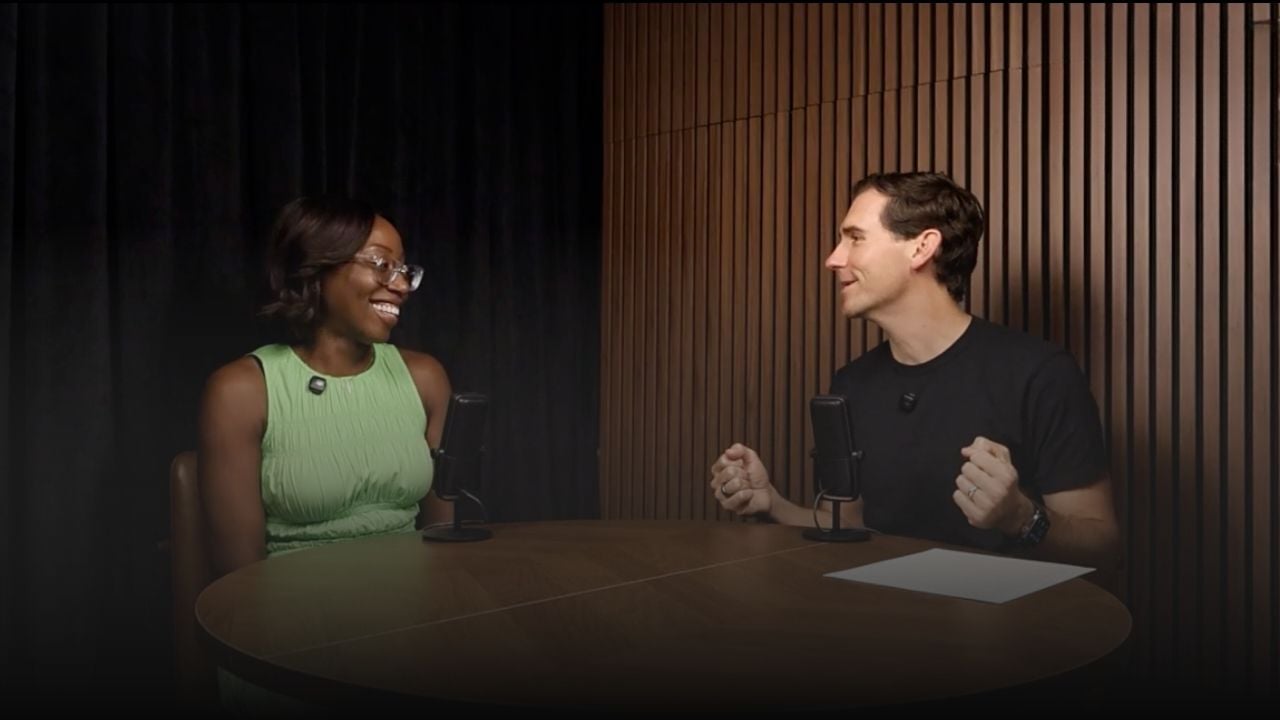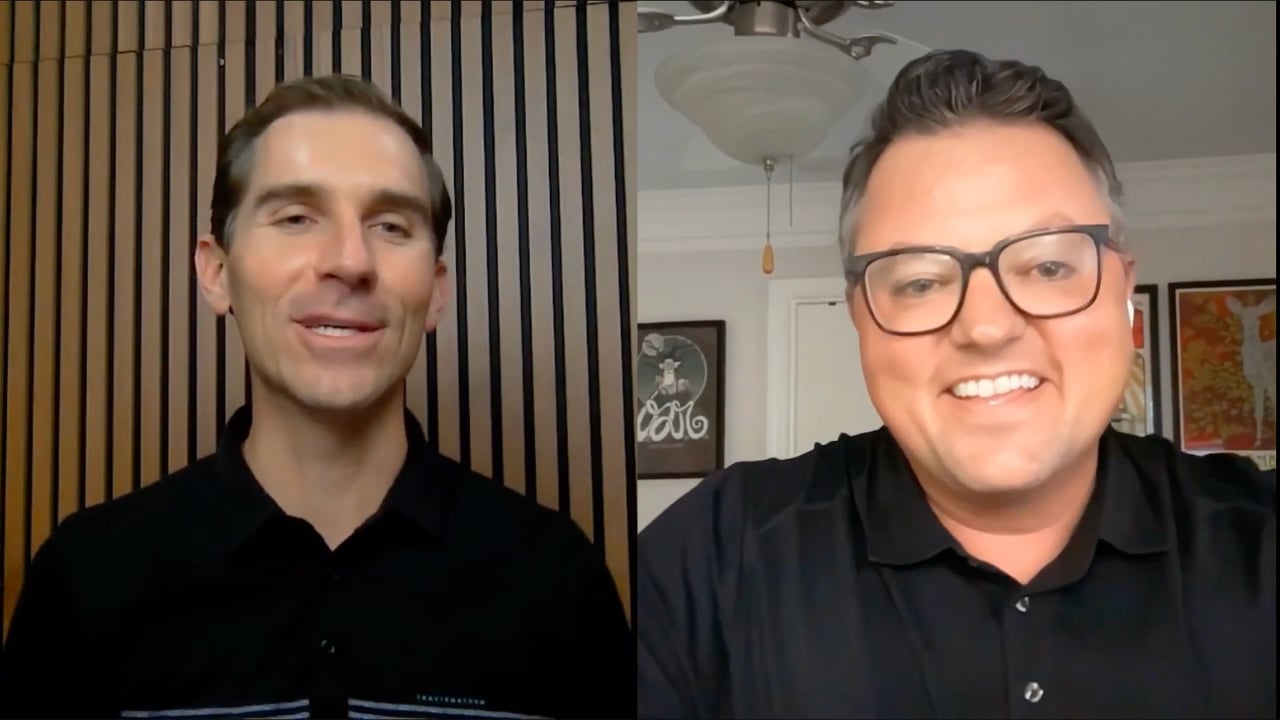
Ryan Jenkins: Communication Is Dealt, Connection Is Felt
Listen on Spotify or Apple Podcasts.
Ryan Jenkins has spent 15 years studying generational shifts in the workforce, starting with a podcast launched back when almost no one knew what a podcast was. He's now a Wall Street Journal bestselling author, and his book Connectable digs into a problem he argues is quietly undermining teams everywhere: the gap between communication and connection.
Generations Are Compressing
Ryan's research points to something most people haven't fully registered yet: generational spans, historically 15 to 20 years, are shrinking toward 10 or even 5 year windows. Generations are shaped by the innovations, events, and trends people experience while coming of age, and the rate of change has accelerated dramatically. A 24/7 news cycle in every pocket and AI adoption moving faster than any previous technology are now imprinting new generational nuances far more frequently than in the past. The practical implication for anyone managing or selling across age groups: the multi-generational tension agents already feel is only going to intensify.
The Disconnection Nobody's Talking About
While researching Gen Z specifically, Ryan found that 73 percent report feeling alone sometimes or always, the highest of any generation on record. But the research didn't stop there: every generation is experiencing more disconnection than in the past, Gen Z is simply the most acute case. That finding became the foundation for Connectable.
Communication and Connection Are Not the Same Thing
Ryan's central distinction: communication is the exchange of information, processed in the front of the brain. Connection is a feeling of understanding and ease between people, processed in the back of the brain. Texting someone I love you is real communication, but it only becomes connection if the other person hears your tone of voice, feels your embrace, or sees your body language. Technology is excellent at enabling communication. It does almost nothing for connection. His shorthand for remembering the difference: communication is dealt, connection is felt.
Why This Matters So Much Right Now
Eight out of ten people report feeling disconnected at work, and all eight of those want more connection. But only two out of ten will actually say so out loud, which means most teams are misdiagnosing the problem as burnout or disengagement rather than addressing the actual root cause. Ryan traces this back to what he calls the connection illusion: teams assume that because they're constantly communicating, whether in person, hybrid, or remote, they must be connected. They usually aren't.
A Five Minute Fix: Connect Five
Ryan's simplest, most immediately usable tactic is what he calls Connect Five. At the start of any team meeting, in person or virtual, one person spends five minutes sharing a single non-work-related photo. That's the entire practice. Over time, teams report finally seeing the human behind the job, which is exactly the shift from communication to connection Ryan is describing.
Shared Reality Builds Connection Fast
Ryan points to shared reality as one of the fastest ways to build genuine connection: a delayed flight where strangers suddenly start talking, or a team standing in front of the same piece of art with their phones away. New, shared experiences tend to pull people together quickly, without requiring much effort, as long as the moment is genuinely shared rather than everyone quietly on their own device.
What This Means for Real Estate Specifically
The average age of a first-time homebuyer crossed 40 for the first time last year, and the average buyer or seller overall is even older. Ryan's guidance for younger agents working across generational lines starts with recognizing generational bias as mostly unconscious, something every person carries. He references a Cambridge University study showing that people can still read a paragraph even when every word is misspelled, thanks to a brain process called chunking, a shortcut that helps the brain interpret information efficiently using prior experience. That same shortcut is what causes people to jump to conclusions about someone from another generation before actually getting to know them. Ryan's practical fix, borrowing from Abraham Lincoln: the crook of connection isn't difference, it's distance. Trade certainty for curiosity.
What Actually Motivates Younger Agents
Ryan pushes back on the common assumption that compensation, purpose, or flexibility are the primary drivers for younger workers. According to the research, the two biggest drivers for people between roughly ages 10 and 25 are status and respect. One of the fastest ways to give a younger agent both: publicly showcase their competency in front of the team. Asking a newer agent to walk the group through something that worked for them, a strong lead conversion call, for example, does double duty. It builds their status in the moment and earns them respect once the strategy proves genuinely useful to others.
What's Next: Team Binding
Ryan previewed his next book, centered on a concept he calls team binding, and illustrated it with research comparing two villages in southeastern Brazil, 40 miles apart. One, on a lake, used single-person boats and had become distrustful and fiercely competitive over fishing spots. The other, on the ocean, required large boats and full team cooperation to succeed against harsher conditions, and was thriving in every measurable way. The boats, not the water, the food, or the climate, were the difference. Ryan's takeaway for modern teams: too many operate like the lake village, technically connected by group chats and deadlines, but without the structural need to actually work together. His metaphor for what's missing: a brick wall without mortar looks strong until pressure is applied, then it crumbles. Team building, in his framing, is that unmortared wall, occasional, assumed strength. Team binding is continuous and creates real resilience.
Ryan offers a free Team Connection Kit, four short interactive tools designed to build connection in two to five minutes at a time, available at connectionvault.com, along with early notice when his new book on team binding releases.
Listen to the Justin Landis Show
Every week, Justin brings in experts from across the real estate industry, including agents, brokers, investors, and leaders, to share what actually works. Expect real stories, real strategies, and no fluff.
Subscribe wherever you listen to podcasts so you don't miss an episode.
Ready to explore what's possible in Atlanta real estate?
🏡 Buy or sell with Justin Landis Group: justinlandisgroup.com
🌟 Join or learn about Bolst: bolst.homes
Justin Landis is the founder of Justin Landis Group and Bolst, two of Atlanta's leading real estate companies. He lives in Atlanta with his wife and three daughters and has been selling Atlanta real estate since 2008.