If you’d prefer to listen, you can stream the full episode here or watch the video version here. For accessibility, we’ve included the full transcript below for anyone who prefers to read along or who is hearing impaired.
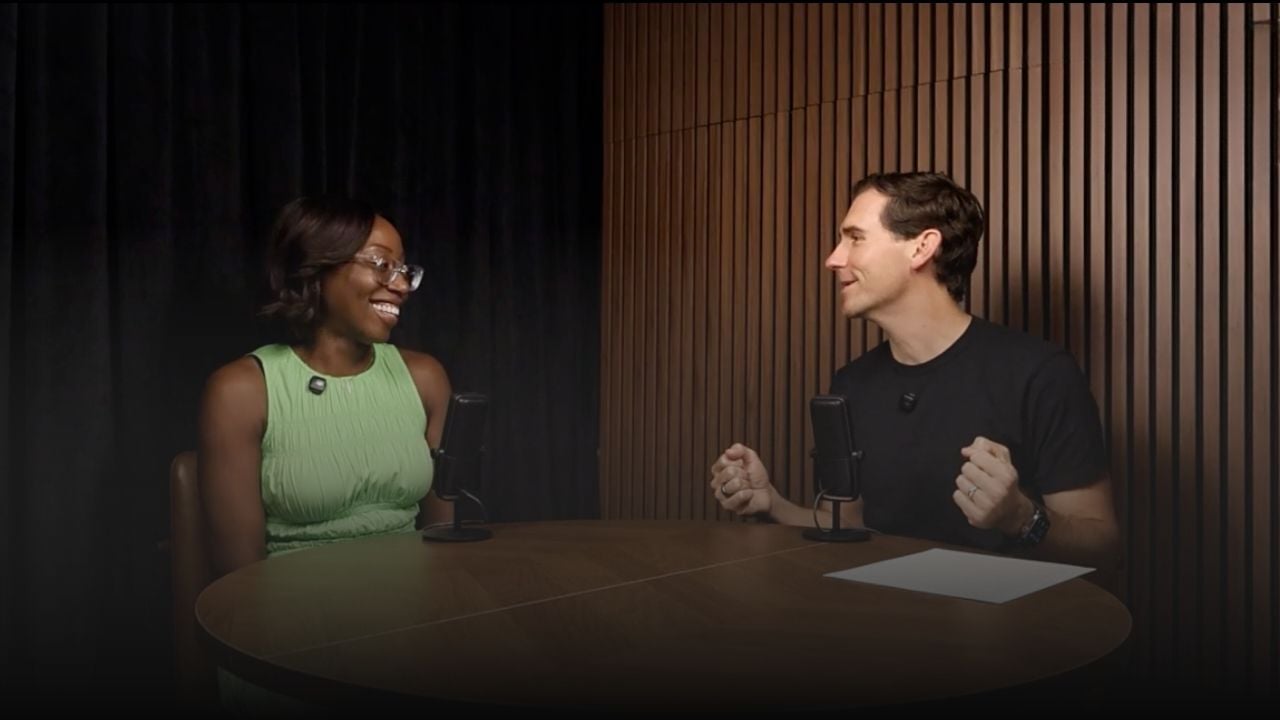
Justin Landis: Welcome to The Justin Landis Show, your real estate podcast about having conversations, building relationships, and creating freedom. Today I've got a repeat guest, my partner and Bolst co-founder, Ashton Ernst Ballard. Ashton, you're back by popular request.
Ashton Ernst Ballard: I want to know who made these requests, but I'm excited to be back.
Justin Landis: We were in a conversation a few weeks ago with a client, and you were very direct about sharing some tough news, probably not what the client wanted to hear. In a market where not every listing is selling, more price drops, people trying to sell and not succeeding, having those hard conversations well is really important right now. I wanted our audience to hear how you handle that. Are you having more hard conversations this year than in recent years?
Ashton Ernst Ballard: I keep saying the conversations get harder every year for the last five years, and 2026 is no exception.
Justin Landis: What's leading to that overall?
Ashton Ernst Ballard: The market dynamics have changed. Homes are sitting a little longer. A lot of clients haven't transacted in a market like this, and honestly, a lot of agents haven't either, since most agents have less than five years in the industry. If you look at the data, there are more price drops that need to happen, more homes that aren't selling, more failed listings. On the buyer side it's similar, people need to be ready for almost anything. It's an interesting balance representing clients right now, because you can be having a fun conversation about multiple offers, and five minutes later you're talking about dropping the price by $100,000, or walking through everything that needs to happen to get to the finish line.
Justin Landis: Before we get to the client conversation itself, how do you prepare when you know you're going to have to shoot someone straight?
Ashton Ernst Ballard: A couple of things need to happen first. I go in prepared, and that starts with mindset. Thinking about the seller side specifically, these folks hired us because they believe we're the person who gets them to the finish line. They're also paying us to be honest with them, the same way they'd pay a heart surgeon to give them the news they need, or an oncologist for an honest path forward. I look at what we do the same way. So going in, I remind myself, this might not be fun, but my directness and my ability to guide this person is exactly why they hired us.
Ashton Ernst Ballard: Then I map out what I want to talk about. The worst thing that can happen to me is a client calling me out of the blue, because then I don't know what it's about. I like to stay so far ahead of our clients that they rarely call me unexpectedly. If they do, I usually already know something's wrong, a key got dropped, someone didn't show up, that kind of thing. That still happens sometimes, but preparing and setting expectations well cuts down on it a lot.
Ashton Ernst Ballard: Regardless, I schedule the call in advance. Beforehand, not too early and not too late, I'll send them what we need to discuss. If it's a pricing conversation, I'll say, let's have a strategy conversation, and send pricing information, feedback, or a breakdown of everything we've done marketing wise, so they can see the full scope and the path forward. Then I prepare myself separately, I write out the bullet points that need to happen. Just like a listing appointment agenda, you're preparing so you can guide the conversation and they're not caught off guard, and neither are you. I like to use my client's time efficiently, and my own.
Justin Landis: That's a great framework for anyone heading into a tough conversation. What do I need to send ahead of time, and what are my bullet points, so I actually have a script to follow.
Ashton Ernst Ballard: Exactly. And it's interesting, because I've sold thousands of houses and had so many of these conversations, I could probably do a lot of them off the top of my head. But I still feel more comfortable with an actual script. I try really hard not to have these important conversations in the car. I want the client to know they have my undivided attention. I always tell them, you should be the only person who wants to sell this house slightly more than I do, and that's not always true, sometimes I want it sold more than they do, and it's obvious. It always gets a chuckle, but it helps level set the conversation. I view every client relationship as a partnership. We have a mutual goal, getting them to the finish line, and I'm there to help guide and facilitate that.
Justin Landis: You always send data as part of what you share. Why is that so important?
Ashton Ernst Ballard: Roughly half of people are wired to be data driven, and half more emotional. If a conversation speaks to both, people can receive it from their own lens. I actually wasn't a data driven person originally, then I started working with guys who went to Georgia Tech and became way more data driven than I ever expected. But appealing to both sides helps tell the story. What a neighbor said about a red front door matters less when the reality is fourteen showings and zero offers, or the numbers show we're four percent overpriced. That's not the end all be all, but it helps guide the conversation and keep people on track. As a society, we respect data.
Justin Landis: I've been on a lot of these calls with you, and I know the number one pushback, no matter what the data says, is usually a request for more marketing. What do you say when someone asks for more, even after you've already done an incredible amount?
Ashton Ernst Ballard: That's where sending information up front helps. I love showing what's already happened. They get three weekly updates and a call every week where we go through everything done on their property, but it's easy for them to point past all of that. They're not seeing everything happening behind the scenes on our end marketing wise. So before a pricing conversation, I send a highlighted recap, the marketing that's gone out, the number of showings, the top pieces of feedback we've consistently heard. That way they go into the conversation already knowing what's been done, which shifts the conversation away from what more should be done. I also walk through a few concrete things that will happen as part of the strategy.
Justin Landis: Give me an example of that.
Ashton Ernst Ballard: If we're reducing the price, we're also making changes to the listing itself. New photos, updated description, reaching out to everyone who's already shown the property, a call, text, and email campaign around it, reverse prospecting. We're effectively soft relaunching the listing and giving it the push it needs alongside the price drop. If we're going to do an open house or another event, that's a great time to pair it with the relaunch, they're more successful together. That eases their minds that more is happening, not just them cutting the price. But the price drop is still the biggest and most effective tool in the toolbox. Even with incentives or rate buydowns, people have to actually be looking at the listing or engaging with our marketing to see them, and agents are busy, an email that says full price property for sale doesn't get many opens anymore.
Justin Landis: Are you doing something similar around setting market expectations, especially with sellers who last transacted in a completely different market?
Ashton Ernst Ballard: Some have accepted it, some haven't, and honestly even the ones who've accepted it intellectually still find it hard. We have to sympathize with that. I have two clients right now, a couple I actually helped sell their individual properties a few years ago when the market was hot, then helped them buy a home together. Now we're helping them buy another property off market, which is great, and sell their current one. Their house got five showings the first weekend, and to them that felt low. My advice to them was, this is genuinely great activity, and also, the market is different, and it's hard to adjust no matter what I say in advance.
Ashton Ernst Ballard: I had almost the same conversation with another client recently. Even without a lot of initial activity, it doesn't mean we've done something wrong, it just takes more time, even when everything's been done right, to build momentum. Repeating expectations matters, saying it once at the listing appointment isn't enough, they'll forget it by the time we go to market. So I say it at the listing appointment, again at the finalization call, and again after the first weekend, so they know it's not just them or their house, even while another listing we have might get seven offers at the same time.
Justin Landis: That is a real dynamic of this market. Last month the average listing got fewer than four showings across the entire month.
Ashton Ernst Ballard: Exactly, so five in one weekend is genuinely good, statistically, even though it's nowhere close to 2021, when you might see forty showings and multiple offers on both sides of a transaction in the first weekend. It's harder now, and showings also tend to cluster on just a couple of days instead of spreading across the week, which affects how sellers plan their lives around showing and selling at the same time. The better we set expectations, the better they can prepare for that.
Justin Landis: This is absolute gold. As we wrap up, if there's a newer agent listening who's nervous about tough conversations, unsure what to do, what's the one most important piece of advice you'd give them?
Ashton Ernst Ballard: Don't be afraid to be honest with your client. Even just leading into it with, may I be honest with you, helps. I've lost listings over the years because I wasn't willing to have the conversation, or I was afraid, and eventually someone else did have that conversation with them and won the business. I remind myself I'm doing a disservice to the listing agreement I signed if I'm not honest. The outcome is the outcome, but our job is to be honest. Just do that.
Justin Landis: Great advice. I'll add one thing I've noticed, not from you, but from a lot of newer agents. People tell me about a conversation, and I'll ask what the client said, and they'll say it was over text. That's going to make it really hard to have a direct, honest, influential conversation when it isn't actually a conversation.
Ashton Ernst Ballard: Completely agree. My biggest rule: anything financially related, a commission conversation or a price drop conversation, has to happen by phone or in person. Nothing over email, nothing over text. Strategy is the same. It's really hard to get someone genuinely on board with a strategy over a beautifully written email, because they'll interpret it differently than you meant it. I've had clients get frustrated over a single sentence I wrote, when having that conversation directly first would have prevented the whole reaction.
Justin Landis: All right, everybody, thanks so much for listening today. Ashton, thank you for sharing this. If you're a newer agent or just getting your license, this is hard to learn, and Ashton has done thousands of transactions to get to the point where she handles these conversations this well. We want you to be able to handle them well too, which is why we've taken everything Ashton and so many of our top agents have learned and built it into a program called Elevate and Advance, the best training we know of for new agents on how to actually be great at this job. If you want to have these conversations well, serve your clients well, and grow your business, check out the link below, we would love to talk to you about it.