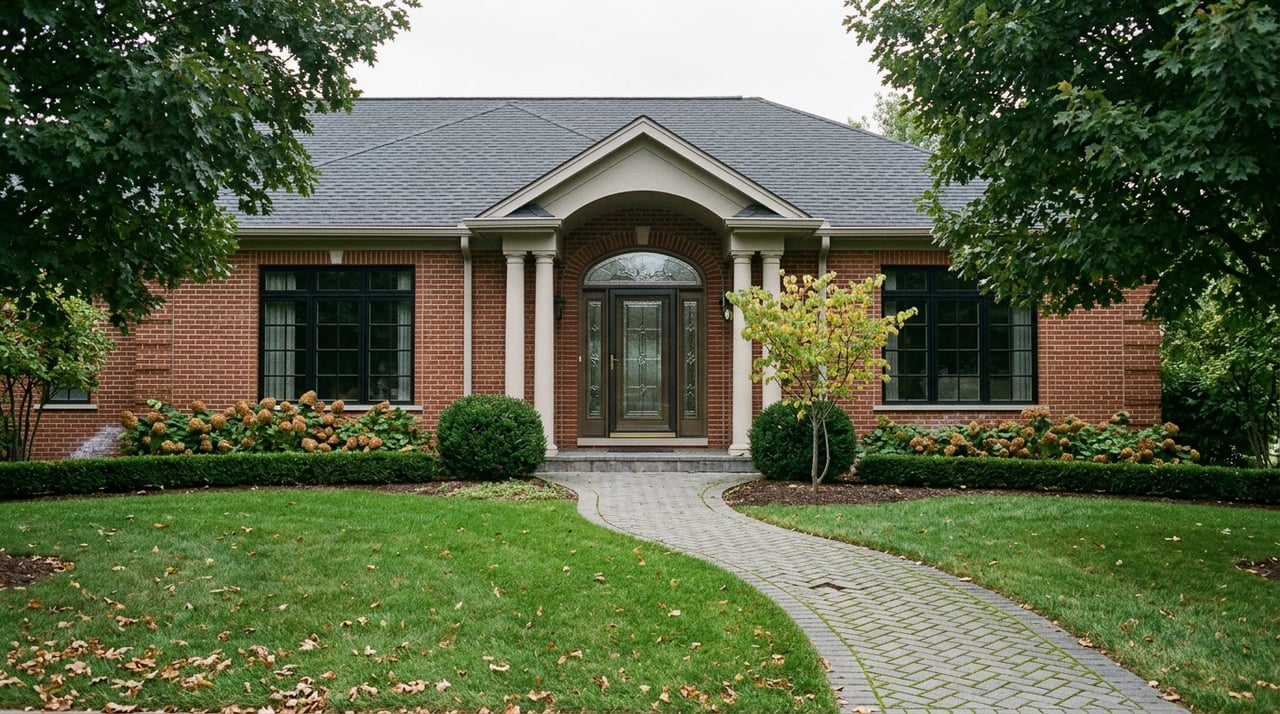
Trying to decide between a Midtown condo or a townhome? You’re not alone. With so many buildings and communities near Peachtree and the Arts District, it can be hard to compare fees, rules, and amenities. In this guide, you’ll learn how HOA dues differ, what pet and rental policies to expect, how parking works, and what to check before you write an offer. Let’s dive in.
Midtown living at a glance
Midtown is one of Atlanta’s most walkable districts, with high-rise condos, mid-rise towers, and pockets of attached townhomes clustered near culture and dining. The Peachtree and Arts District area puts you close to theaters, museums, and offices. For a quick neighborhood snapshot, explore the Midtown Alliance resources.
Commuting is flexible here. You can often walk to daily needs, and many buildings sit near rail and bus stops on MARTA. If you rely on transit, check station access and routes using the MARTA transit maps. Parking can be tight on some blocks, so garage access or a private driveway becomes a major plus.
Monthly costs compared
Your total monthly spend depends on HOA fees, utilities, taxes, insurance, and maintenance. Here’s how condos and townhomes typically differ in Midtown.
HOA fees
- Condos: Dues usually cover exterior and structural upkeep, building systems, master insurance, on-site staff, and amenities like a pool, gym, or concierge. In amenity-rich high-rises, expect higher dues to fund staff and shared utilities.
- Townhomes: Dues vary widely. Some communities only maintain gates or drives. Others include landscaping, exterior paint or roof, and limited amenities. Communities with private streets, security, or a pool can approach condo-level dues.
Key takeaway: Condo dues tend to be higher but more predictable for interior-only maintenance. Townhome dues can be lower but may leave you responsible for more exterior costs.
Property taxes
Taxes are calculated the same way for both types. The bill is based on assessed value and local rates. Floor level, views, and improvements can affect a condo’s assessed value just like a townhome’s. Review current rates and exemptions through Fulton County property tax information.
Insurance
- Condos: You typically carry an HO-6 policy for interior coverage and liability, while the association’s master policy covers the building shell and common areas. Confirm what the master policy includes and the deductible.
- Townhomes: If you are responsible for the exterior, you may need an HO-3 policy to insure the dwelling, including walls, roof, and attached garage.
To understand the difference, review the Insurance Information Institute’s overview of HO-3 and HO-6 coverage basics.
Utilities and services
Some condo dues include water, gas, trash, or basic cable. Townhomes are more often individually metered. Always verify what’s included so you can budget accurately.
Maintenance, reserves, and assessments
- Condos: The association manages major building systems and collects dues to fund reserves. Special assessments can occur for capital projects or shortfalls, so the reserve study matters.
- Townhomes: Depending on the covenants, you may handle exterior upkeep or share it through the HOA. If the association maintains roofs or building envelopes, expect that to be built into dues.
Rules and policies that shape daily life
Community rules affect everything from pets to parking. Review the governing documents before you make an offer.
Pet policies
- Condos: Often have stricter limits on weight or number of pets, designated relief areas, registration, and behavior rules.
- Townhomes: Tend to be more flexible thanks to private entries or patios, but HOAs can still impose leash, waste, and common-area rules.
Ask for the full pet policy and any history of enforcement or fines.
Rental and leasing rules
- Condos: Many Midtown buildings cap the percentage of rentable units and require minimum lease terms or approvals. Investor-friendly buildings are less common in high-demand locations.
- Townhomes: May allow more flexibility, but some HOAs also limit rentals. Always check the CC&Rs.
Parking and vehicles
- Condos: Expect assigned garage spaces, limited guest parking, and fees for additional spaces or storage in some buildings. Street parking is often metered or restricted.
- Townhomes: Commonly include private garages and driveways. If guest parking is tight, nearby public options may be part of your plan.
Governance and enforcement
Both condos and townhome HOAs can levy fines and special assessments and may have rules you must follow for renovations and common-area use. For a broader overview of how associations operate, see the NAR guide to HOAs and rules.
Amenities and lifestyle trade-offs
Midtown offers a spectrum of amenities that influence both your lifestyle and your dues.
Typical condo amenities
High-rises often include a secure lobby, 24-hour concierge or doorman, package rooms, fitness centers, rooftop decks, pools, co-working or meeting rooms, and on-site management. This delivers a low-maintenance, lock-and-leave lifestyle with social spaces and event programming.
Typical townhome advantages
Townhomes usually provide private entrances, attached garages, and small patios or rooftop decks. You get more storage and a house-like feel while staying close to the same Midtown amenities and transit.
Noise and privacy
Condos share walls, floors, ceilings, and elevators, which can influence noise levels. Townhomes often share fewer walls and offer private outdoor areas, though vertical layouts still mean some shared walls.
Security and access
Condo buildings often include centralized security with fob access and staffed desks. Townhome owners usually rely on community gates, private alarms, and neighborhood measures.
How amenities affect cost: More amenities usually mean higher operating costs, which leads to higher dues and sometimes higher purchase premiums in prime Midtown locations.
Financing and insurance differences
Financing and coverage requirements often differ between condos and townhomes.
Mortgage considerations
- Condos: Many lenders follow project-level standards for owner occupancy, litigation, reserves, and insurance. If you plan to use FHA or VA, confirm building eligibility early. Review the FHA process on the FHA condo project approval page and refer to broader HUD guidance on condominiums.
- Townhomes: If legally a fee-simple townhome with its own lot, lending is often similar to a single-family home and may be simpler.
Insurance details
Always confirm whether the association’s master policy is walls-in or bare-walls and the size of deductibles. High deductibles can create large special assessments after a claim, so match your HO-6 or HO-3 coverage accordingly.
Resale and marketability
- Condos: Appeal to buyers who want low maintenance and amenities. Resale can be influenced by the building’s condition, financial health, rental restrictions, and any pending litigation.
- Townhomes: Attract buyers seeking more privacy and a garage. The broader appeal can support resale liquidity.
Midtown buyer checklist
Bring this list to tours and due diligence so you can compare properties side by side.
Before you write an offer
- Confirm whether the property is legally a condo or a townhome. The legal status affects financing, insurance, and responsibilities.
- Request HOA or condo rules, the current budget, and recent board minutes.
- Verify parking location, number of spaces, and guest parking policies. Ask about storage.
- Review pet policies, including weight and number limits.
- Check leasing restrictions, including rental caps and minimum lease terms.
- Ask about any pending or planned special assessments.
During inspections and due diligence
- Obtain the association’s insurance certificate and confirm master policy details and deductibles. Align your HO-6 or HO-3 coverage.
- Request the reserve study and operating budget. Look for a healthy reserve and predictable dues history.
- If a condo, get the condo questionnaire to confirm owner-occupancy, rental percentages, litigation, and FHA or VA approval status.
- Walk common areas and grounds. Note any deferred maintenance or service issues.
- Verify assigned parking and storage in recorded documents.
Before closing
- Review the full HOA/condo disclosure packet.
- Confirm your loan program accepts the building or community.
- Set up HOA dues payment and finalize insurance.
Which one fits your lifestyle
Choose a Midtown condo if you want full-service amenities, a low-maintenance routine, and centralized security near transit and entertainment. Choose a Midtown townhome if you want a private entrance, attached garage, and a house-like feel while staying close to Peachtree and the Arts District.
If you are torn, compare total monthly costs plus rules that matter to you. Pet policies, rental caps, parking, and noise tolerance often tip the scales more than square footage alone.
Next steps
You deserve clear answers before you commit. Our team helps you review HOA documents, estimate true monthly costs, and match your lifestyle with the right Midtown building or community. Ready to tour and compare options side by side? Find a Home. Make an Impact with Bolst Homes.
FAQs
What do Midtown condo HOA fees usually include?
- Most cover exterior and structural maintenance, building systems, master insurance, and amenities like a pool or gym. Some also include utilities such as water or trash. Always verify the specific budget and inclusions.
Are Midtown townhomes easier to finance than condos?
- Often yes, if the townhome is fee-simple and not subject to condo project criteria. Condos may require project approvals that affect loan options, especially for FHA or VA financing.
How do rental caps work in Midtown buildings?
- Many condo associations limit the percentage of rentable units and require minimum lease terms or approvals. Townhome HOAs may also restrict rentals, so review the CC&Rs and rules before you buy.
What should I check about pet rules before I buy?
- Ask for the complete pet policy, including weight or number limits, registration needs, and any restricted areas. Request any enforcement history to understand how rules are applied.
How does parking differ between condos and townhomes in Midtown?
- Condos typically assign garage spaces and manage limited guest parking, with possible fees for extra spots. Townhomes often include private garages and driveways, but guest parking can still be limited.
Do condos ever include utilities in the dues?
- Yes, some Midtown condos include items like water, gas, trash, or basic cable in the HOA dues. Townhomes are usually individually metered. Confirm utility inclusions for each property.