If you’d prefer to listen, you can stream the full episode here or watch the video version here. For accessibility, we’ve included the full transcript below for anyone who prefers to read along or who is hearing impaired.
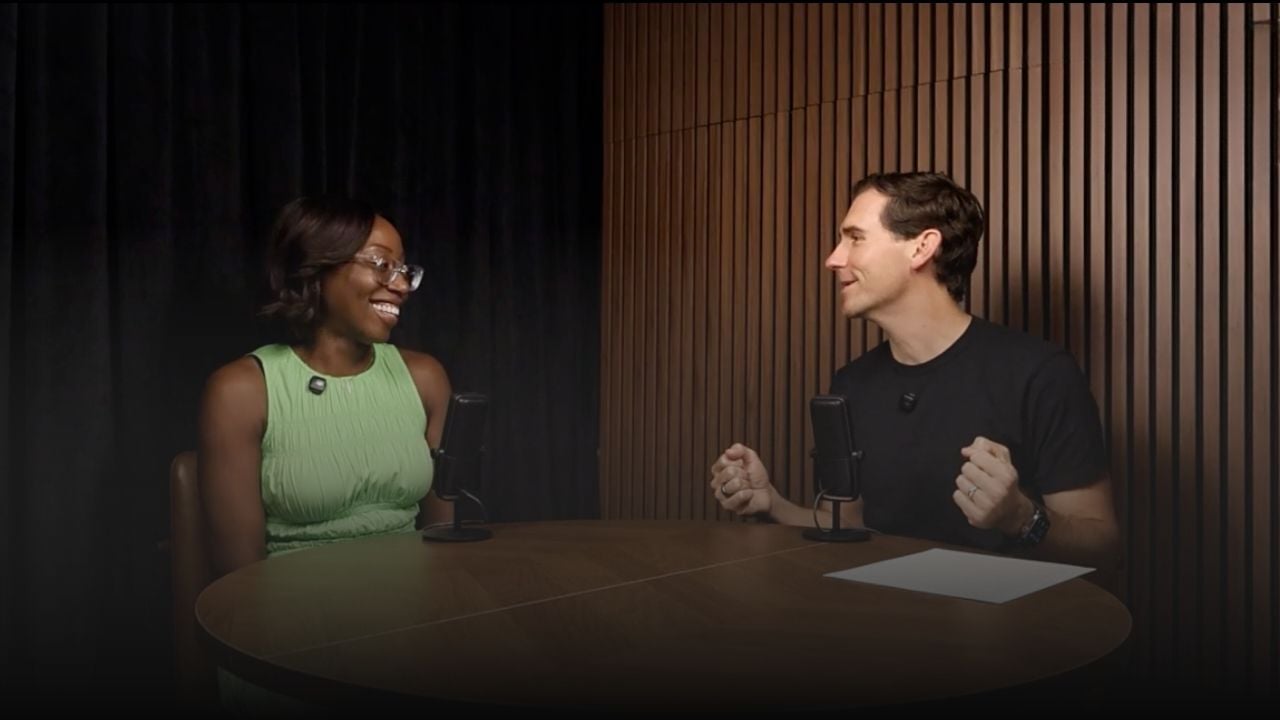
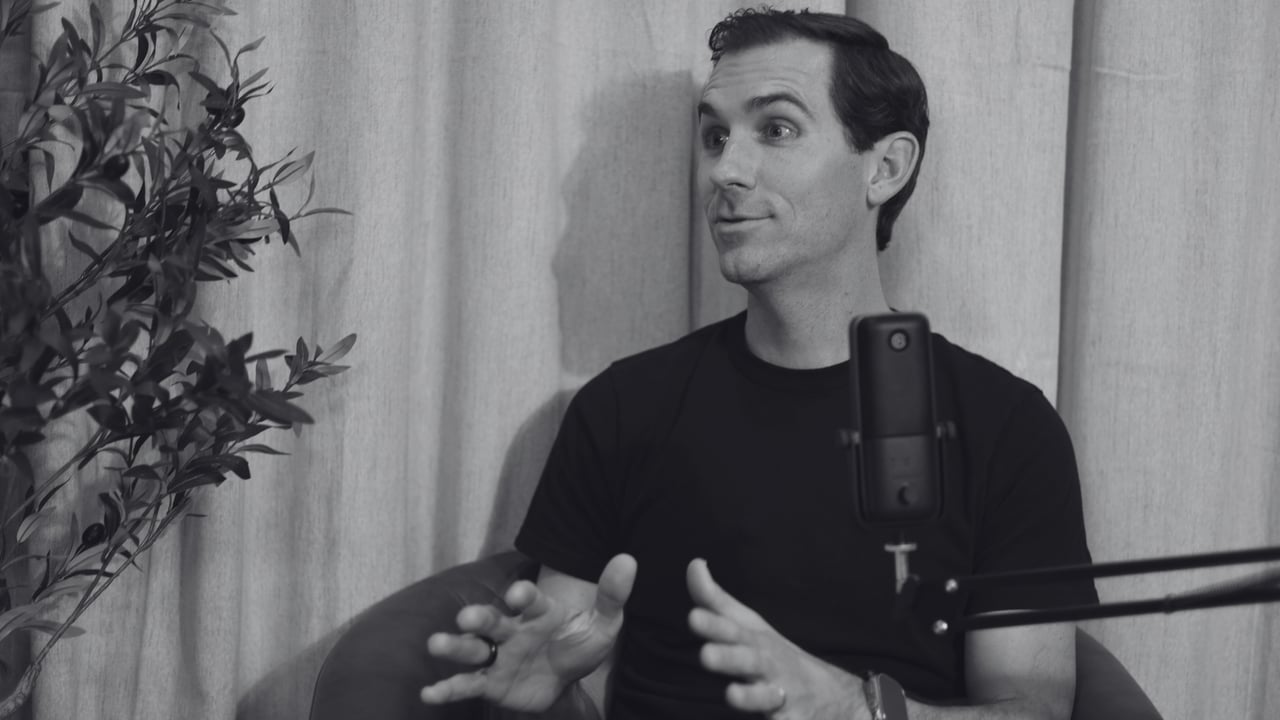
Welcome to the Justin Landis show, your real estate podcast about having conversations, building relationships, and creating freedom. I'm your host, Justin Landis, and I am excited today for episode number one.
So why will we start a real estate podcast? There are only 4.7 million podcasts available, and we thought that wasn't enough. We needed one more. In all seriousness, the reason that we started this podcast, you'll hear in my story today, is I've had a lot of people who have had great influence and mentorship on me. And I've been able to pass that to some other people and see that play over and over. And we wanted to make that accessible in the real estate space so that you could find the mentorship and the guidance that you need to build your real estate career. So I'm really excited to talk about this.
But first, I wanted to share a little bit of my story so you know where I'm coming from. And let me start at the very, very beginning. I feel like I hit the absolute life jackpot when I was born because I have great parents and grandparents, grew up in a small town in West Virginia, and I came to Atlanta to go to Georgia Tech. I was good at math and science growing up, and so people were like, you should be an engineer. Once I found out what engineers did, I realized I should not be an engineer, but I did graduate with a chemical engineering degree. But I always wanted to do my own thing and be my own boss. I had one job right after college. In hindsight, it was actually a great job, and I should have been way more grateful for it. But I was like, I don't want to work for the man. I want to do my own thing.
And so I got into real estate by flipping a couple houses. And it was nothing about real estate specifically that was intriguing other than the barrier to entry was low, especially in 2003. The barrier to entry was very low. And I borrowed $4,000 from my grandmother and bought a house and flipped it and made a little bit of money. I mean, a little bit of money, mainly made money because the market went up, not really because I knew what I was doing.
But my wife, she has just always been so supportive of my entrepreneurial spirit and my risk-taking and business and my career and has just been an amazing, amazing partner and supporter in these businesses. We were high school sweethearts and we got married about a year and a half, two years after college. She moved to Atlanta. And so now I'm in my early 20s and we both have corporate jobs. And while we have those jobs, flipped my very first house. And on that house, made a little bit of money. And I went to it and I was like, hey, I think I can make a living flipping houses. And she was super supportive of it. It gave me the green light to do it.
And man, in those early years, this is going to sound crazy. But when we would flip a house, we would put the house we were living in and the house we flipped both up for sale, whichever one sold first, we moved to the other house. Now, that takes the saint of a life to do that. I think we also had roommates for at least the first man of the first three or four years. I bet 80% of the time we were living with somebody else, one of my business partners, someone who was renting a room from us that helped us buy more real estate because we're really focused on trying to grow this real estate flipping business.
And in order to do that, we also bought a franchise. So if you ever remember seeing those we buy ugly houses billboards, with a couple of buddies from college, and this is like, we're probably 24 at the time, we bought a franchise that we bought ugly houses. And when I say bought, we borrowed money that someone probably should have never loaned kids in their early 20s, but back then, man, if you signed like 100 sheets of paper, you could buy as many houses as you want. And that's what we did. I mean, I think we flipped like 150 houses while we had this franchise. And we did get good at it. And I got my real estate license. I'm selling the houses.
But when the market turned to the end of 2007, I mean, one, we didn't see it coming. Two, we were super leveraged. I mean, it was a really unwise financial position, which was interesting because at home, my wife and I were doing Dave Ramsey. I mean, literally, cash in a drawer. I remember one time with the end of the month, she had a girl's night. There was no cash left. She went through our house and car and got $34 in coins, which she took like the coin star machine in the Kroger. Yet I am upside down, I mean, so much more than you would have ever thought was even possible. And so I'm in this terrible situation where I've got all this debt, all these payment plans. And it was just a disaster.
And so 2008's here, economy's bad, job market's bad. I haven't had a job in like five years. And I was like, man, all I really know how to do is sell houses. Because I was responsible for selling our houses. I wasn't working with any clients, but I had sold probably 100 houses. I was like, maybe somebody else will let me sell their house? And so through a really fortunate connection, a mutual friend introduced me to Rich Richardson, who became my mentor. And I went to work and learn with Rich and try to become a full-time real estate agent in 2008. And so I'm probably 30 at this point. And I've got a negative net worth and basically starting from scratch.
And I learned how to build a relationship-based business from Rich. And that first year, I mean, this still works. I mean, if you're listening and you're a real estate agent, if you don't hear anything else, this is gold. We, that first year, I had a goal to meet one person face to face every day. And here's just my general thought. I was like 50 weeks in the year, five days, 250 days. If I meet 250 different people face to face, surely some of them are going to need to buy or sell a house. And I didn't have any fancy scripts or marketing plan or technology. I was just like, hey, let's meet. And I meet people for coffee, for lunch, for a drink, to go for a run, whatever. And I'd make sure real estate came up in the conversation.
And that actually worked. I mean, that first year I didn't sell that many houses. But in 2009, I think I sold like 30 houses. And it was like a shockingly good year because the market is going down hard at this point. And that's when I was like, hey, I'm pretty good at this. I like this. People are trusting me and referring me. And so through those down years, I mean, I would just do anything. I mean, sell a $12,000 house, would drive to Delano to sell a house, sold to my mechanic's auto garage. I mean, it's like, hey, can you help with this? Yes, I can. Even if I don't know how, I will do it, and just figured it out.
And then the market finally started to turn back up. And that just really coincided with me having 100-some past clients and staying in touch with them and getting referrals and the market's better. So business exploded. And that first year that the market turned back up, I mean, I worked a 365 day year. I mean, no exaggeration. I mean, every evening, every weekend, we didn't have kids at this point. And on one hand, I needed it financially. I mean, that was like the game changer that helped us pay off all that debt and turn our situation back around. But on the other hand, I was like, this is not sustainable. And this is not why I got in business to work for myself.
A couple things happened at the end of that year. One, my wife got pregnant with our oldest daughter, and two, I could see my pipeline was better the next year than it was this previous year. And I think that year, I think I sold like 55 houses and 40 some of them were buyers. So this required driving all over the place. And I was like, if we have a child, I'm never going to see them. I mean, I am not, like, I don't even know if I can physically do it. So I was like, something needs to change.
And I had two plans. And this was really the conversation that came out of this was just really influential in my life. And this is one of those pieces of advice and a mentor. My broker at the time, I told her, hey, I'm either considering scaling back. And I picked out my 50-ish best clients. And I was like, I'll work with them and their personal referrals, keep that referral chain going. And I had a good listing business in Grant Park at that point. And I was like, and I'll take clients in Grant Park. Everything else, I'll either refer out or pass on, or I need to bring on more people to help me.
And she asked me, she's like, well, Justin, if you brought a buyer's agent on, how would they do? And I was like, they'd do great. I mean, at this point, we're doing no marketing. The clients are all my friends or friends of friends. They're referrals. And you definitely make six figures. And I don't know if I'm a good boss, but it's not a toxic environment to be around me. I'm a pretty nice person. And I kind of shared this with her. And she said, and this is the question that changed the trajectory of my career and really my life. She said, well, Justin, if you could provide that opportunity for someone and you don't, are you doing everything with what God's given you?
And for the first time, I was like, maybe I do have this business, this amount of business, to help somebody else. I mean, I feel bad to say that I had not considered it, but I really hadn't considered that up to this point. I was like, maybe God did give me this business to help other people. And thinking through that and working through that, that's when I decided to start the Justin Landis Group. And that just really kind of changed how the trajectory of my business went.
I mean, next year we had three people on the team, Jared and Ashton and Amanda. And that year, we did work all the time. I was still working a lot. But I mean, it was like a fun all the time. I mean, we were selling so many houses. We didn't believe it. And that was really exciting. And then another thing happened. Ashton and Amanda especially had different strengths than Jared and I. And it was eye-opening to see like, oh, I wouldn't have done it that way. But that's better than what I would have done. And we had people going towards a common goal who were good at different things. And I was like, hey, the sum is better than the parts here. This is better than what I would do by myself.
And so we got to the end of that first year. And we're really focused that year, but we're only focused on the year. But that's when we're like, we've got something good going here. We should make a plan for what we're doing long term. And so we sat down to come up with the mission of the Justin Landis Group and figure out what we wanted to do moving forward. And honestly, that's actually never changed. I mean, the mission that we came up with then is the same at JLG now: to serve our clients, our coworkers, and our community above ourselves, with the vision of being the trusted source of real estate in Atlanta.
And the team started to grow. And each year we were bringing on maybe one or two people, and they were awesome. I mean, and so many of them are still with me all these years later. But we were having steady growth. And I eventually moved out of production and into just a leadership role. And so that kind of changed things because now I had a lot more time than I'd had before. And what we decided to do with that time is to grow the team.
And so Jared Thomas, one of my partners, had been kind of mentoring some other agents on the team who had done awesome. And we kind of made a bet on each other where Jared's like, hey, if you bring people in here, I'm confident I can help them succeed. And I was like, you know what, I'm confident I can bring people in here. And so we set out to try to grow the team. And so we started to add people and it was working and that was fun.
And we had a lot of the people that came in, they were really mission-minded, purpose-based people. And we had these ideas, like maybe we could use the business to do good. And I've always admired companies like Patagonia and Chick-fil-A and Ben and Jerry's and Toms that were using their business to do good. And we're like, maybe we could do it. So we set out to try to do it.
And I mean, it was just like way more successful than we ever imagined. The very first campaign we did, we tried to do this 90 and 90 thing. We were going to try to help 90 buyers go under contract in 90 days. And we had never done anything like this. I mean, as a matter of fact, I think the two months before, we'd only helped like 19 buyers go under contract. Now, that was January and February. So tougher months, but not on pace to do 30 per month by any stretch.
And we were like, hey, maybe we could use this campaign to raise money to fight homelessness, to help people. And so we set a goal to raise $90,000 and we decided we're going to donate to the Atlanta Mission. And the way we did that, we went to all our transaction partners: our lender, attorney, home inspector, mover, natural gas company, home warranty company, insurance agent, and everybody that we worked with. And we were like, hey, over these next 90 days, we're going to make a donation. The agents are going to make a donation on each transaction. Will you do the same?
Let me just tell you, the generosity of those people was unbelievable. I was floored by it. Every single person that I asked was in on it, and in for amounts that I was honestly surprised by. And so here's what happened. The 90th day, I'm not making this up. The 90th day of the 90 and 90, coming into that day, we had 88 contracts pending and three offers out. We needed two of the three to go under contract. They hit the goal. At 4:09 on the 90th day, I still remember the exact time. We got that 90th contract. This was the most exciting day of my business career by a landslide.
And so we hit that 90, went out and celebrated. And we raised over $90,000, which we donated to the Atlanta Mission. Atlanta Mission is such good stewards of any donations they receive. And they had the idea, hey, why don't we use this as a campaign to try to challenge our donors, tell this story, and challenge the donors to double this? That raised another $180,000. $270,000 raised, more houses than we'd ever sold. And that's when we were like, oh, this is it. Purpose-based business is good business. This is the way to do it.
And that really just changed the trajectory of JLG, and then eventually Bolst. And we changed our motto to everyone deserves a dream home. And it's not the only reason JLG really had big growth from there. But it definitely mattered because it attracted the right type of people who were a good fit for the organization. It was a motivator, helped retain really top people that cared about that and wanted to be a part of it.
And so JLG was really growing. And in 2021, two things happened that eventually led to Bolst. But that's not what we were planning at the beginning. At the beginning of 2021, my number one goal for the year was I want to take this good we're doing to a bigger level. Wasn't sure how to do it, but I was like, I want to figure that out this year. And JLG, we decided we were going to switch brokerages and we were going to go be a part of a different brokerage.
And so as I'm working on those two things together, we're interviewing at other brokerages and trying to see what was out there. But we kept running into the same thing. We wanted to be a part of the companies I mentioned earlier, the Patagonia, the Chick-fil-A, the Toms, the Bombas, the Ben and Jerry's of real estate brokerages, where the business was doing good business, but the business existed to do good. And that was the main point of the business. And we just didn't see it. And so then we're like, maybe we can accomplish two goals with one thing. What if we started a purpose-based brokerage? That could do good business, but the business existed to do good. And that was the main reason for starting it. And so that's when we decided to start Bolst.
And so we launched Bolst with four founders, all long-term relationships and great friends who I hope to have on this show so you can meet them over time. And we launched Bolst in the fall of 2021 with about 45 agents. And Bolst is a Benefit Corporation. So that year, Georgia had come out with a new corporate designation. You've got LLC and C-Corp and partnership and that sort of thing. Well, Benefit Corporation was a new one. And we're like, hey, that's what we want Bolst to be. So it's taxed and governed like a C-Corp. But we get to put a public benefit in there to fight homelessness, to increase affordable housing, and to increase homeownership in underserved communities, and make sure that that never got pushed out of the way to make more money or increase shareholder value.
So we set out to do it and launched Bolst in the fall of 2021. We're all excited. And then come to find out, starting a brokerage from scratch is really hard. And I way underestimated it. And now that I'm like talking about it, how could I underestimate it? You know, because you see other businesses doing it and you're like, oh, that doesn't look that hard. We could probably do that. And I mean, it was just like way harder than we thought. And those first couple years, especially the first year and a half, man, they were tough. I mean, our value proposition was basically come on over. It will be good in the future. It's not actually that great now. We don't have that much to offer, but it's going to be really good in the future. And quite frankly, not a ton of people took us up on that value prop.
And I am super grateful to those who did and took a chance on us early. And I think that it has turned into that for them because we were learning from the people who came and were building things for them and trying to make it better and make it better. And then eventually it got to the point after a couple years where it was good. And the big thing that changed for the growth of Bolst is the agents started inviting their friends. And they're like, hey, it's good here. You should check it out. And so as opposed to me doing outbound to everybody, agents started to come inbound to us, and Bolst started to grow. And that's how we got to about 300 agents that we have now.
We opened a second office in Alpharetta. Our main office is downtown by Ponce City Market. And last year, 2025 was a big year for us. We had a couple firsts. We hit a billion dollars in sales for the first time, which is just a fun number. I mean, it's just fun to say that we hit that milestone. And then more importantly, we had been working for years to be recognized for the way we're in the community and the way we're taking care of our employees and the environment and all that in a way that is actually a benefit. Man, if anybody's listening, it is a super hard process. It was another thing we underestimated, way harder than we thought. I mean, the amount of hours and effort that went into that was huge. But it was awesome to get it because we're the only real estate brokerage in Georgia to have it.
And that just holds us to a standard that we set out, that we wanted to be a purpose-based business. Well, we're going to hold ourselves to that standard. And so that's kind of brought me up to today where my day-to-day, I'm involved in both the Justin Landis Group and Bolst. I have awesome leadership in both of those organizations. So my primary roles are to help those businesses grow, bring in top talent into those businesses to make sure that we have the leadership and staff that can serve our clients and serve the agents really well. And then to help do what we're doing here and to guide and mentor people.
I mean, I feel like I've benefited so much from so many great mentors over my time that I want to give that back. And then I've also trialed and errored in a ton of stuff, which we'll go over here. And I want you to not have to do that. I mean, the amount of time and money I've spent chasing things to see if they work, every now and then they do, they usually don't. Let me cut that learning curve for you, because that's one of the things I want to do.
And if you are debating becoming a real estate agent and you want to know what's possible, I mean, that's another thing that I really want to highlight here, that it is possible. Yeah, the real estate market has been tougher the last handful of years for real estate agents because transaction volume has been down, but people are still coming in and succeeding every single day, and we love to help them do it. It's actually one of my favorite things.
I'm a numbers person, went to Georgia Tech and like all the math and stuff. One of the things that I track is since we started JLG, 38, not making this up, 38 agents have started with us and hit $100,000 in gross commission income in a year for the first time. And that's one of the things that I'm most passionate about, is helping people build a great career in real estate and get to the point where they're making the income they want. They've got the life that they want and they're building for a future.
So if that's you, I want to invite you to listen to these as well. I think you'll get a glimpse in what it's like to be a real estate agent and build that business and see if it could be a good fit for you. It's never been more important to find your edge as an agent. The real estate agent market is the most crowded that I've ever seen it in my career. And so you've got to figure out the things that are most important to help you find your clients, serve your clients well, and that's what this podcast is all about. We're going to be here every week with absolute experts in the real estate industry. So make sure that you tune in and subscribe so you don't miss a single episode.
And so as I look forward to the future for JLG and Bolst, I mean, I'm right in the middle of my career. My daughters are 9, 12, and 6. Atlanta's my home. This is my thing. I love being here every day. And I've got big dreams for both of those businesses moving forward.
From the Justin Landis Group standpoint, we have not changed our mission and vision at all over the years. It's to serve our clients, coworkers, and community above ourselves and be the trusted source of real estate here in Atlanta. And the way we're playing that out is we're in the middle of this initiative that we call 5-10-20. We got this 5-10-20 thing going on right now where we're working to help 20 more agents over a five-year period reach that $100,000 mark in commission income that I mentioned. That's the 20. The 10 is to help 10 more agents reach 100 transactions in their career. Once you get to this 100 transaction mark, and it's not like it's a magic number, but generally speaking, you sort of have options because now you've got 100 past clients. They can all start to refer you. You've learned a lot. So if you want to move into like a leadership role or a director of sales or a broker or that sort of thing, you're in a great position to do it. You want to really grow your business? Well, now you've got all this inbound business coming in from these 100 clients. You can do it. You want to get max dollar per hour? Hey, just take care of those 100 people. And the dollar per hour can be really high and you can build a really great lifestyle business. So I want to help people get to that 100. And then I want to help five more people move into leadership positions.
And this is one of the things that I love the most, that we help people get into the career and then eventually help them get into that leadership role where they can really make an impact. And literally just yesterday, I had a conversation with someone who's been with me for over a decade, and she accepted a leadership role as a broker. And this is just one of the things I love the most. I mean, she has done such great work and served the clients so well and been such a great teammate. And now she's going to help so many other agents with all that experience.
And that's one of the big reasons that I love for these businesses to grow, is because it provides opportunity for people. I mean, it provides opportunities for them to advance in their career. So I'm doing the 5-10-20: five more leaders, ten more at 100 lifetime houses, 20 more with $100,000 gross commission in a year. And that's our mission here at JLG over the next couple years.
So I kind of think of it as like, hey, this is like the Navy SEALs of real estate. Do you want to come in? You want to sell a ton of houses. You want to do it like the absolute best in class, best practice. And it's rigid and it's hard. And I'm not going to pretend like it's not, but man, people are getting results when they do that, and it's fun to do it.
You know, like I said, Bolst is purpose-based, and Bolst's mission is housing for everyone. And so we're trying to help people across the spectrum with their housing, and we're trying to help agents across the spectrum as well. I get asked a lot of times like, hey, well, what's the ideal agent for Bolst? What sort of agents are you looking for? And here's the thing. I want people who want their business to be better. If you're a real estate agent and you want to improve your business, I am confident we can help you. And if that's the brand new agent, up to I'm starting my team, up to I've got a huge team, up to I want to be the best individual agent that I can to maximize my dollar per hour, man, that is who we want to serve from an agent standpoint. And I want to do it here in Atlanta. I love Atlanta.
And so my vision for Bolst moving forward: I want at some point here in the near future, if anybody gets asked, hey, like, what's the local Atlanta real estate brand? Everyone would answer Bolst. Bolst is the local Atlanta real estate brand. Best agents, biggest impact on the community. Atlanta real estate wouldn't be the same if Bolst wasn't part of the Atlanta community. So that's my goal. I really want Bolst to be synonymous with Atlanta real estate.
And obviously that requires having the best agents and serving the clients the best and providing the best resources and all of that. So those are my goals moving forward with these businesses and I'll share how we're doing with that. I'm a pretty open book. Mentioned a couple of things in this story that went terribly wrong. I've got more of those. I actually talked to my daughter's entrepreneurship class. It's pretty cool. She's got an entrepreneurship class in seventh grade. And the professor, I loved this, here was her takeaway from my story. She's like, Justin can turn lemons into lemonade. And I was like, well, I think that's a good thing. But yeah, you've had a lot of lemons. And so if you're out there and you're in a period of lemons right now, man, a lot of times that's what makes the best lemonade because you can learn from it and grow from it. And then you make the next thing even better.
So that's what we're doing here in this podcast, is I'm going to bring in lots of my favorite people in the real estate industry. You're going to get to hear their story, hear how they turn their lemons into lemonade, or maybe they had no lemons and it's all lemonade, and we're going to dig into the things that really make a difference in the real estate industry. I'll share some more of my stories along the way and it'll just be a complete open book to help you grow your real estate business moving forward.
So thanks for listening. Be sure to subscribe. It wouldn't be a podcast if I didn't ask you to do that. So hit that subscribe button and I will see you again next time.