Rachel Reynolds: What a Roof Over Your Head Really Means
There is a woman Rachel Reynolds still thinks about. She had been living on the street for months. She had tried to get into Restoration House more than once and been turned away because there were no beds. When she finally got in, she stood in the atrium, looked up at the ceiling, and started crying.
Not because she was overwhelmed or frightened. Because she saw a roof.
That roof meant she was safe. It meant she could sleep. It meant, maybe for the first time in a long time, that her life had the potential to change. Rachel heard her say that, and she still gets chills.
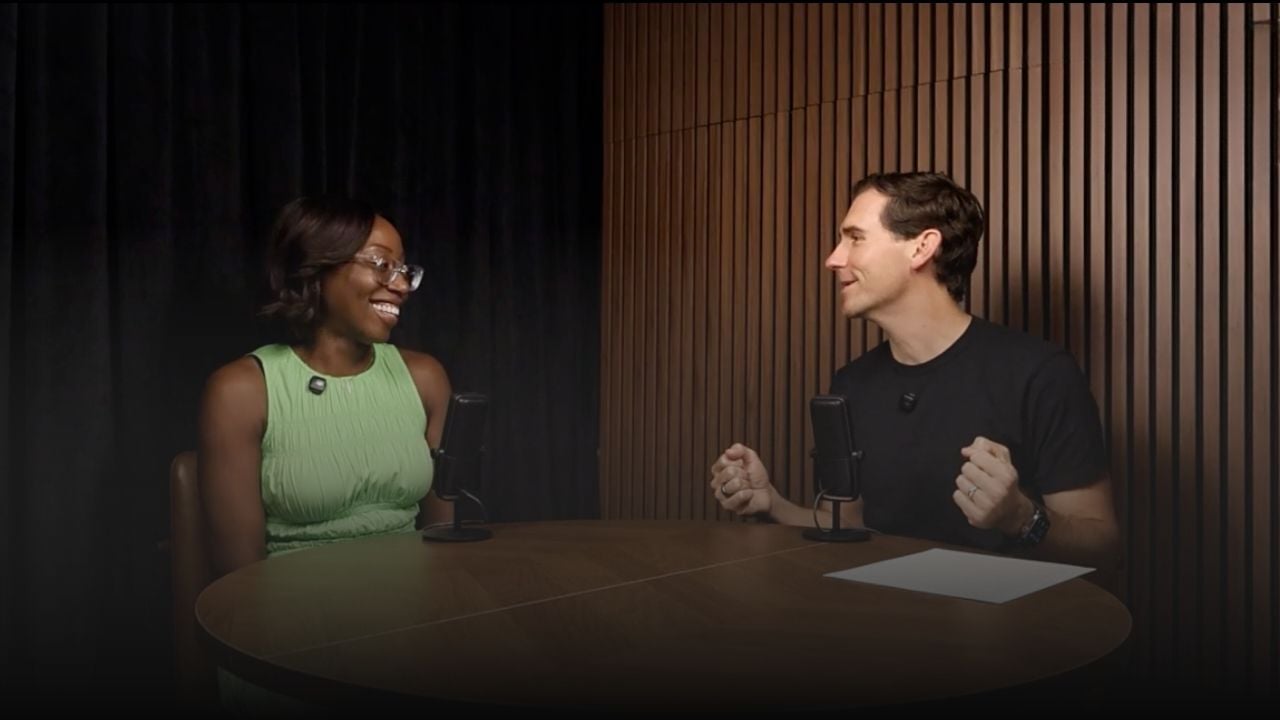
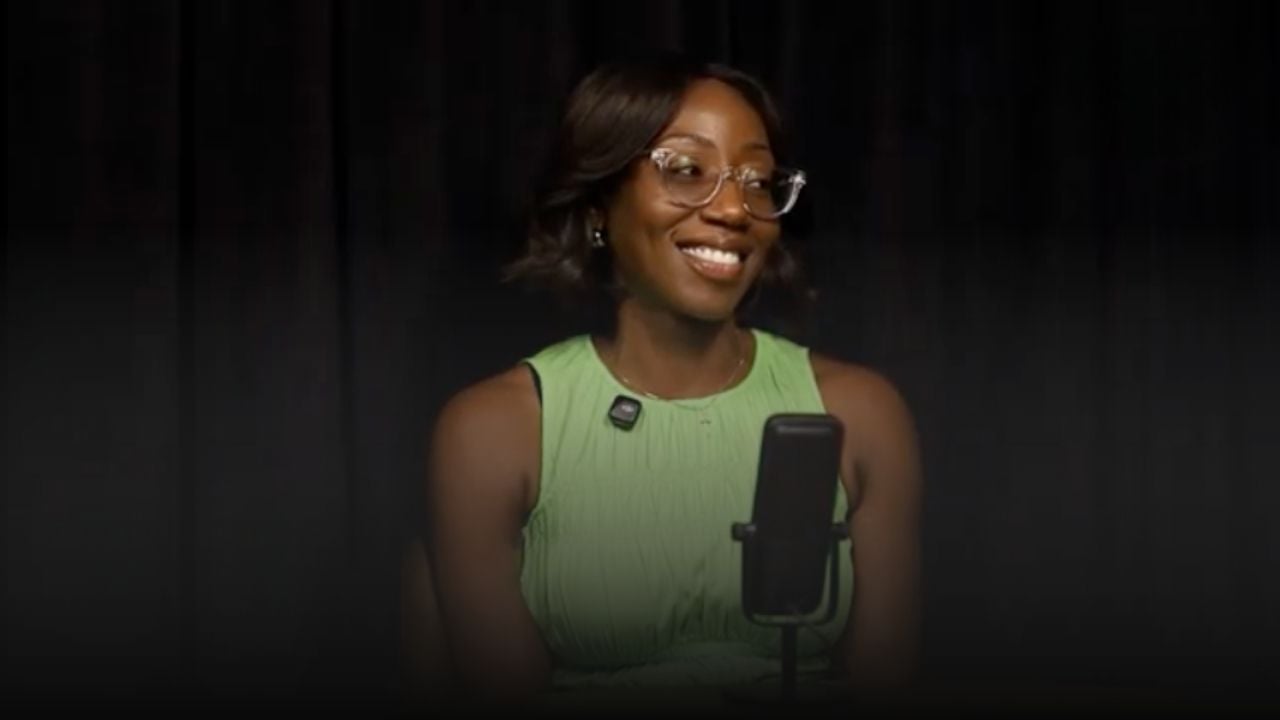
That story is the center of Episode 8 of the Justin Landis Show. Rachel Reynolds is the Director of Marketing at the Atlanta Mission, the oldest and largest provider of homeless services in Atlanta. She has been there for 12 years. And she has spent most of that time helping people understand that a dream home does not always look the way you expect it to.
Where the Phrase Came From
Justin Landis Group had been in business for a few years when Justin started thinking seriously about giving. He had ideas. He floated them. The feedback he got, more than once, was a version of the same question: if you are going to give that money away, why not just reduce your commission?
He was not trying to give money back. He was trying to make the pie bigger so there was more to give. That distinction matters, and it took a while for the right structure to make it clear.
The 90 and 90 campaign was that structure. The goal: help 90 buyers purchase homes in 90 days and raise $90,000 to fight homelessness. Justin brought in not just JLG, but the agents, the vendor partners, the attorneys, the lenders. Everyone had a way to participate. Everyone could contribute.
Rachel remembers the early days of that first campaign clearly. The Atlanta Mission was not yet set up for sophisticated corporate partnerships. Both sides were figuring it out in real time. But the idea that came out of those early conversations became something neither organization expected.
Everybody deserves a dream home.
That phrase shifted everything. JLG adopted it as a core belief. The Atlanta Mission leaned into it as a lens for explaining what they do. Because the overlap was real: both organizations were in the business of helping people find somewhere safe to land. They were just serving different people at different points on the same continuum.
Multiplication Over Magnitude
The campaign raised just over 90,000. Then the Atlanta Mission had an idea. What if they used that money as a match?
Everyone loves a deal. In the nonprofit world, matching gifts are one of the most reliable tools for increasing donor participation. So the Atlanta Mission took the money raised through the campaign and put it to work as a match for their own donors. The dollars multiplied. The impact multiplied. And it gave Justin a framework he has continued to build on through Giving Tuesday campaigns, 5K sponsorships, and ongoing corporate involvement.
The lesson Rachel draws from all of it is one that applies just as well to real estate as it does to nonprofit fundraising. Generosity is not most powerful when it stays with one person. It is most powerful when you use your platform to bring others in. Justin did not write a check. He created an environment where dozens of people could give together, and the result was exponentially larger than what any one of them could have done alone.
What Makes a Corporate Partnership Actually Work
Rachel has been doing this long enough to know the difference between a corporate partner and a corporate transaction. She sees both.
The partners who create lasting impact share a few traits. They come with ideas, not just checkbooks. They are open-handed, meaning they let the nonprofit do its job rather than prescribing exactly how every dollar gets used. They use their own platforms to multiply the giving rather than keeping it contained. And they show up over time, not just once.
Justin checked all four boxes. He came with a concept. He stayed flexible about how the money was deployed. He built the campaign in a way that recruited his entire professional network. And he is still involved years later, including serving on the board.
The mistake Rachel sees most often from well-meaning companies is approaching a nonprofit partnership primarily as a branding opportunity. That motivation tends to show up quickly, and it limits the relationship. If you are trying to use a nonprofit to elevate your own brand, it will only go so far. But if you genuinely believe in the work and you are willing to subordinate your preferences to the organization's expertise, the partnership has real staying power.
Her advice: get to know the people. Understand why the organization exists. Find the place where their mission connects to something your business and your team already care about. Then make it easy for your clients and your community to get involved alongside you.
The Changing Face of Homelessness
Twelve years ago, the Atlanta Mission's model was largely transactional. People came in, got a meal and a bed, left the next morning, and came back. The cycle repeated. The shift was toward relational services, treating the whole person rather than just providing a bed for the night.
The population is changing again now. The current wave is what Rachel calls situational homelessness. These are people who have jobs. They have cars. They have histories that do not include chronic mental illness or long-term addiction. They are people who got sick, missed work, lost a paycheck, and could not recover fast enough. As affordable housing becomes harder to find and the cost of everything continues to rise, Rachel says this category will keep growing. We are, she says, all just a few paychecks away.
The Mission's Vision 2030 strategic plan is built around how to serve this population differently, with faster interventions, services calibrated to the depth of the crisis, and facilities that can flex to meet the moment.
How to Get Involved
Rachel's answer to how people should start is the same one Justin gave: serve first. Go see it. Do something physical. Let the experience teach you what the numbers cannot.
From there, it depends on where you are in your life. Early in her career, Rachel volunteered every Tuesday night. Now she has a toddler, works full time, and contributes differently. The point is not to find the perfect form of engagement. It is to flex the muscle and keep flexing it.
For businesses specifically, the Atlanta Mission now has a dedicated corporate liaison who matches companies to volunteer opportunities, sponsorship structures, corporate giving programs, and employment partnerships.
To get involved, visit atlantamission.org/corporate and fill out the form. And if you are a real estate agent who wants to do business inside a community that takes giving seriously, book a mentor call at bolst.homes.
Listen to the Justin Landis Show
Every week, Justin brings in experts from across the real estate industry, including agents, brokers, investors, and leaders, to share what actually works. Expect real stories, real strategies, and no fluff.
Subscribe wherever you listen to podcasts so you don't miss an episode.
Ready to explore what's possible in Atlanta real estate?
-
🏡 Buy or sell with Justin Landis Group: justinlandisgroup.com
-
🌟 Join or learn about Bolst: bolst.homes
Justin Landis is the founder of Justin Landis Group and Bolst, two of Atlanta's leading real estate companies. He lives in Atlanta with his wife and three daughters and has been selling Atlanta real estate since 2008.