From Higher Ed to Top Producer
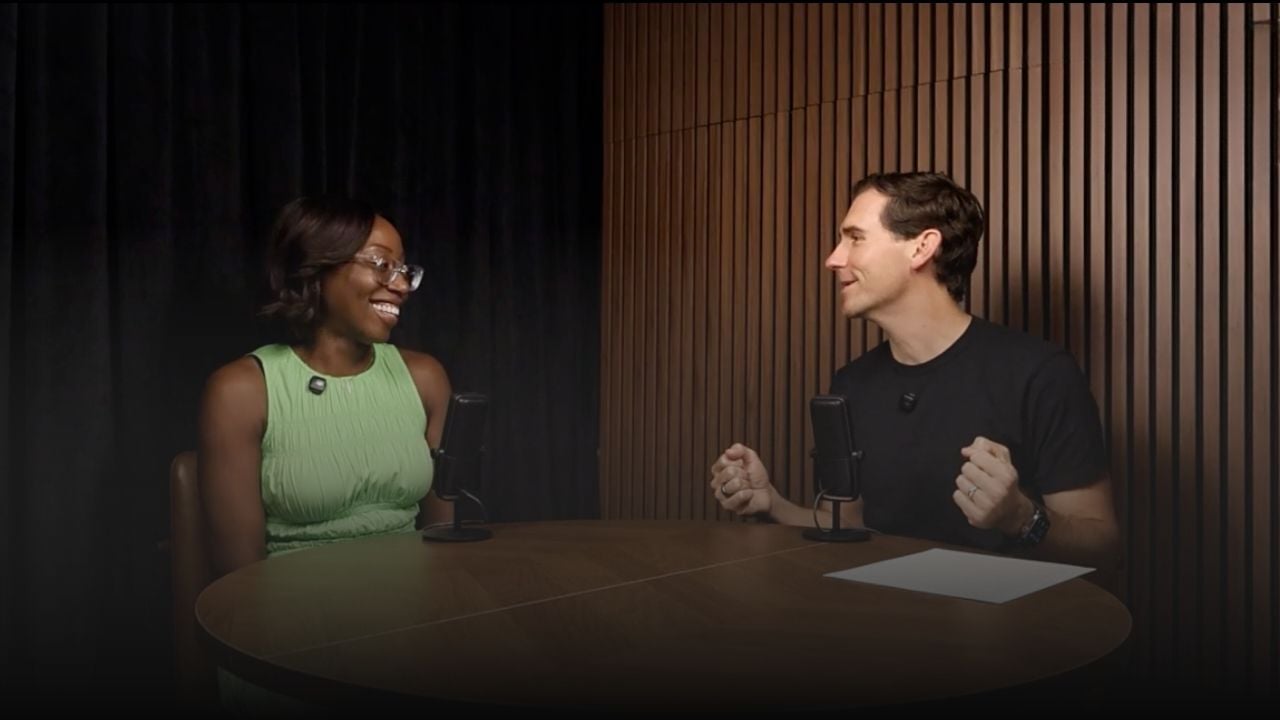
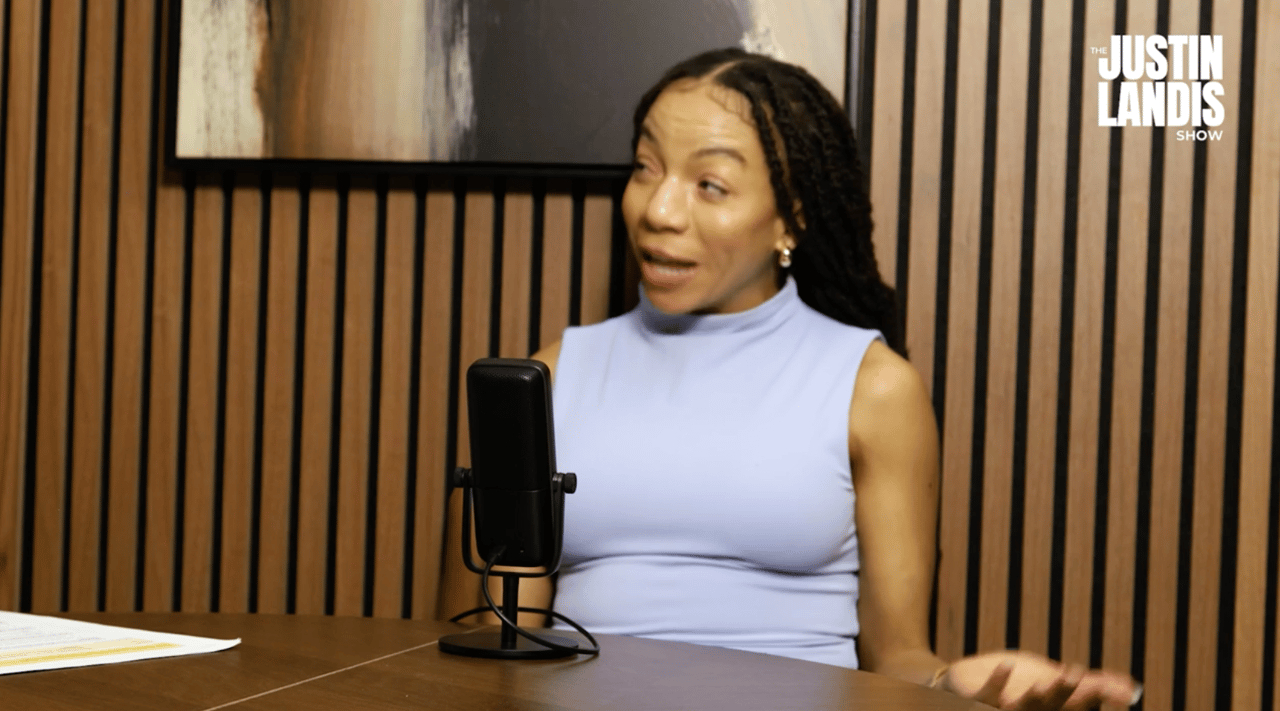
April Williams spent almost eight and a half years in higher education. She loved the work. She was good at it. She was close to starting a PhD program. And then something shifted.
She realized she would probably never achieve true financial freedom if she stayed. That realization was uncomfortable. Acting on it was harder. But she did, and the path she took from there — into real estate, onto the Justin Landis Group, and into a career that has grown every single year she has been in the business — is worth paying close attention to.
The Decision That Changed Everything
The pandemic was the inflection point for a lot of people, and April was one of them. She was evaluating everything, questioning what she wanted, and finally confronting the ceiling she had been approaching in higher ed.
What attracted her to real estate was not the commission checks. It was the freedom. The lack of a ceiling. The chance to apply her skills on her own terms without someone telling her she was doing it wrong.
She knew taking a risk was part of it. But she also knew she had to be as calculated as possible. She started saving money. She had conversations with her financial advisor. She chose to save for a new career instead of buying a house. She got licensed. And she gave herself permission to leave.
That last part is the part most people skip. April said it clearly: she did not know she could leave education without permission. The moment she understood that she was the one who had to give herself that permission was the moment everything changed.
Starting From Zero — and Building Something Real
When April got started at the Justin Landis Group, she was swimming in imposter syndrome. She had liberal arts degrees. She had never taken a business class. She did not know how the process worked. She did not know how to start a business.
What she did know was that she wanted to be great at something, and she was intentional about surrounding herself with the right people to make that happen. A connection through her financial advisor led her to Ben Riekhof, Director of Training at Justin Landis Group. That introduction, and the environment it gave her access to, made the difference.
One of the first things Jarrod asked her when she joined: how many people do you know in Atlanta?
She was stumped. She had been in the city for a while, but she had never quantified it. The answer to that question became her first assignment. She went through her phone. Her social media. Old emails from work. She started building a spreadsheet, filling in names, tracking down contact information, and reaching out to say she was now an agent.
It was terrifying. It was also exactly what the business required.
Relationships Over Marketing — Every Time
When April first got started, she thought the business was about marketing. New headshots. A polished brand. A strong social media presence. That is what agents look like from the outside.
Her trainer redirected her fast. Nobody cares about a photo. Social media is almost an afterthought for agents who are actually transacting. The business runs on relationships.
April took that to heart, and she built her business accordingly. The work was not glamorous. It was coffee meetings and phone calls and follow-ups and genuine curiosity about the lives of people she was trying to stay connected to. If someone told her their in-laws were coming to town in two weeks, she would put it on her calendar and follow up. She kept notes in her phone and her spreadsheet. She was not faking the interest. She was genuinely invested.
That is the thing that is hardest to replicate and most impossible to shortcut. April did not perform interest in people. She actually had it.
Being an Introvert in a Relationship Business
Here is what makes April's story particularly instructive: she is an introvert.
Real estate attracts extroverts. The pitch is usually about meeting people, building connections, always being on. For someone who needs alone time to function, that sounds like a recipe for burnout.
April did not try to become an extrovert. She built a schedule that worked for who she actually is. Monday and Tuesday are for admin work, seller calls, and tying up loose ends from the weekend. Wednesday and Thursday are for in-person relationship building: coffee, lunch, and the occasional dinner with past clients, current clients, and new connections. Friday is a lighter version of the same, with enough quiet built in to prepare for Saturday. Saturday is game time, full days of touring with buyers. Sunday is non-negotiable: she does not show houses.
That boundary took courage to set. She was nervous. She thought clients would push back. Instead, when she named it upfront during buyer consultations, the response was almost always simple: okay, talk to you Monday.
She is still available to communicate, negotiate, write offers, and review inspection reports on Sundays. She just does not tour. The result is that she is able to show up fully for clients the rest of the week because she protects the time she needs to recharge.
Motion vs. Movement
April offered one of the clearest frameworks for sustainable real estate production that has come up on this show: the difference between motion and movement.
Motion is what agents fill their days with when they are avoiding the things that actually grow the business. Perfecting an Instagram post. Drafting and re-drafting an email. Organizing systems that are already organized. It feels productive because it is activity. It is not movement.
Movement is the phone call. The follow-up. The actual conversation with another human being about their life and their real estate needs. It is uncomfortable. It is direct. And it is the only thing that actually pushes the business forward.
April does her calls first. She does not save them for when she feels ready, because that feeling does not reliably arrive. She does them when they need to be done, and she has built a career on the consistency of that discipline.
The Results
April has had growth every single year she has been in the business. She is generating more referrals. She is confident on both sides of transactions. Her systems are stronger than when she started.
Her first clients were not friends or family, who were scared for her and standing on the sidelines. They were former colleagues who had already seen her work ethic and had no doubts about her ability to handle a transaction. She proved herself there, and the friends and family came around eventually, on their own timeline.
Now, when a transaction closes, April does not disappear. She told a client at a final walkthrough: you are not going to get rid of me. These are lifelong relationships. She checks in. She follows up. She keeps showing up long after the commission is deposited.
That is what a sustainable real estate business looks like, and it is built one relationship at a time.
Listen to the Justin Landis Show
Every week, Justin brings in experts from across the real estate industry, including agents, brokers, investors, and leaders, to share what actually works. Expect real stories, real strategies, and no fluff.
Subscribe wherever you listen to podcasts so you don't miss an episode.
Ready to explore what's possible in Atlanta real estate?
-
🏡 Buy or sell with Justin Landis Group: justinlandisgroup.com
-
🌟 Join or learn about Bolst: bolst.homes
Justin Landis is the founder of Justin Landis Group and Bolst, two of Atlanta's leading real estate companies. He lives in Atlanta with his wife and three daughters and has been selling Atlanta real estate since 2008.