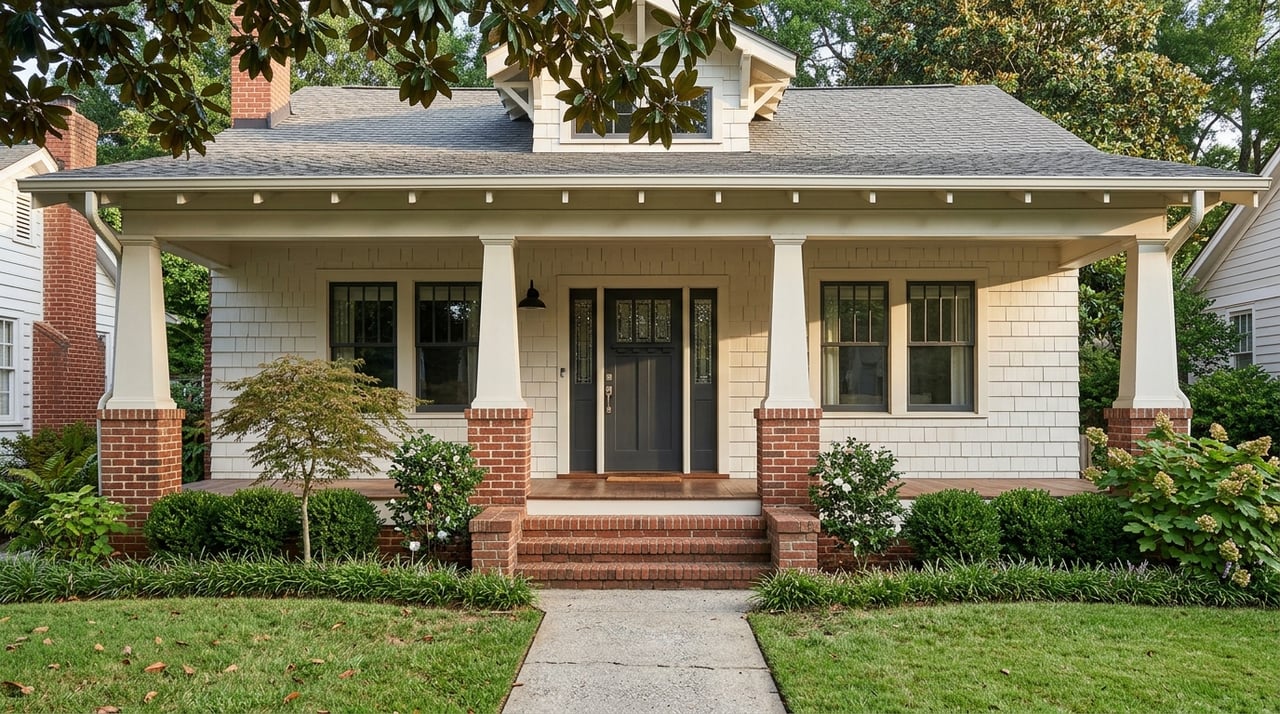
Wondering what kind of homes you’ll actually find in Candler Park? That is a smart question, because this intown Atlanta neighborhood is not defined by one look or one era. If you are trying to picture the streetscape, compare architectural styles, or decide which type of home fits your lifestyle, this guide will help you read the neighborhood with more confidence. Let’s dive in.
Why Candler Park Feels Distinct
Candler Park has a historic residential character because most of its housing stock is older, with newer homes making up only a small share of what you see on the street. The neighborhood grew from late-19th-century roots, was annexed to Atlanta in 1909, and later took its present identity from the 55-acre Candler Park developed in 1922.
That history still shows up in the built environment today. Instead of feeling shaped by large-scale recent redevelopment, Candler Park reads as a layered neighborhood with older homes, modest lot patterns, and a strong sense of architectural continuity.
What Home Styles You’ll See Most
Craftsman bungalows dominate
If you picture Candler Park and imagine porch-front homes with broad roofs and classic intown charm, you are probably thinking of Craftsman bungalows. As development moved eastward, these wood-frame bungalows became the predominant style in much of the neighborhood.
A typical Craftsman bungalow here is one to two stories with a low, broad roof and a porch integrated into the main body of the house. These homes often feel compact and connected to the street, which is part of what gives Candler Park its approachable, walkable look.
Queen Anne and Folk Victorian homes show the earliest era
The oldest-looking homes in Candler Park are generally Queen Anne and Folk Victorian houses. These early one- and two-story frame homes are concentrated more in the western portion of the neighborhood.
Compared with later bungalows, they usually feel more vertical and decorative. If you are drawn to houses that clearly reflect the neighborhood’s earliest development period, this is the style family to watch for.
Brick cottages add variety
East of the park, buyers are more likely to see houses from the 1920s through the 1940s that are predominantly brick. This part of the neighborhood includes brick Craftsman bungalows as well as English Vernacular Revival cottages.
These homes broaden the visual mix and often give the streetscape a slightly different texture than the earlier frame houses. If you want a historic home but prefer brick over wood-frame construction, this part of the neighborhood may be especially appealing.
Revival styles create a richer mix
Candler Park is not just a bungalow neighborhood. The historic district also includes Colonial Revival and Tudor Revival homes, which add more architectural range than many buyers expect.
That matters because it gives you more than one version of “historic charm.” Depending on the block, you may see a softer cottage look, a more formal revival influence, or a porch-centered bungalow next door.
Smaller cottages and later homes fill in the gaps
The neighborhood’s historic residential palette also includes American Four Square homes, transitional bungalow forms, and American Small Houses. American Small Houses are generally one- or one-and-a-half-story cottages with simple ornament, tight massing, and small floor plans.
There are also some mid-century apartment buildings from the late 1940s and 1950s, plus a limited amount of newer infill and modern townhomes. These are part of the neighborhood mix, but they are not the dominant form.
How Styles Change by Area
One of the most helpful ways to understand Candler Park is to think of its housing stock as layered by era and street location. The western side tends to show more of the earliest Victorian-era homes.
Moving through the neighborhood, the middle areas are strongly bungalow-oriented. Farther east, you see more brick cottages and revival-style homes, while newer infill and attached townhomes appear as edge cases rather than the main story.
For buyers, this means two homes in the same neighborhood can feel quite different. You are not just shopping for square footage or finishes. You are also choosing between distinct architectural periods and streetscape patterns.
What These Homes Usually Feel Like Inside
Expect more compact, traditional layouts
Many Candler Park homes were built long before open-concept suburban floor plans became standard. Craftsman bungalows here are generally compact, porch-oriented homes with modest footprints.
That does not make them less functional, but it does shape how they live day to day. You may find more defined rooms, a smaller overall footprint, and a layout that prioritizes the front porch and main living spaces over oversized secondary areas.
Smaller cottages can be efficient
American Small Houses are even simpler in plan. They are typically one-story brick or frame homes that are nearly square or rectangular, with small three- to five-room layouts and modest exterior ornament.
For some buyers, that simplicity is a plus. If you want lower maintenance or a smaller home in an established intown neighborhood, these houses can offer a practical alternative to larger historic homes.
Transitional forms bridge older and newer living patterns
Not every home fits neatly into one category. The district includes examples that bridge bungalow design and later ranch influences, including homes with low hipped roofs, extended eaves, and more rectangular facades that still reference earlier porch traditions.
That can be good news if you want something with historic character but a slightly later feel. These homes sometimes land in the middle ground between early charm and simpler mid-century functionality.
What To Expect From Lots and Outdoor Space
The streetscape is porch-forward
Candler Park was laid out on a grid with clear primary and secondary streets and generally uniform setbacks. Historic houses often sit near the front center of relatively small rectangular lots, set back a similar distance from the street.
For you as a buyer, that usually means the neighborhood feels more urban and front-porch-oriented than yard-heavy. The visual emphasis is often on the house, the porch, and the sidewalk relationship rather than on deep front lawns.
Topography shapes curb appeal
Because of the area’s hilly topography, many homes have low retaining walls at the sidewalk and steps leading up from the street. That small detail contributes a lot to the neighborhood’s look.
It also helps explain why so many homes feel elevated and visually distinct from the sidewalk. When touring homes, pay attention to how grade changes affect entry access, landscaping, and outdoor usability.
Rear yards and rear parking matter
In the regulated subareas, local design rules require front, side, and rear yards and do not allow parking in the required front yard or between the house and the street. Garages are expected to face the rear or a side yard without street frontage.
That helps preserve the pedestrian-scaled feel of the neighborhood. It also means that if parking placement is important to you, it is worth looking closely at how each property handles access and storage.
Porches are a defining feature
Front porches are a major part of the neighborhood’s visual identity. Local code requires front porches on new homes in regulated areas, with minimum dimensions and style consistency tied to the chosen architectural style.
In practical terms, porches are not just decorative extras in Candler Park. They are part of the neighborhood language, and they help connect homes to the street in a way many buyers find appealing.
How To Think About Updates and Condition
Because most of Candler Park’s housing stock predates World War II, condition can vary widely from one property to another. Age alone does not tell the full story.
Some older homes were altered over time, including conversions into rental apartments during the mid-20th century. The historic record also notes changes such as altered porches, windows, stucco, or additions that affected how closely a home reflects its original form.
That is why it helps to look beyond surface charm. A home’s porch details, window rhythm, roof shape, and the placement of additions can reveal a lot about how thoughtfully it has been updated.
What Newer Infill Usually Looks Like
Newer construction exists in Candler Park, but it remains a minority of the overall housing stock. When it does appear, local rules are designed to keep it visually consistent with the neighborhood’s historic character.
The area’s code calls for compatibility in roof pitch, massing, materials, front orientation, and porch design. It also prohibits repetitive duplication of the same house design on the same block face, which is one reason newer homes here often feel more contextual than generic.
If you want newer construction without losing the neighborhood’s established look, that is an important detail. Infill in Candler Park tends to be shaped by the existing streetscape rather than trying to overpower it.
Which Home Type Might Fit You Best
If you are trying to narrow your search, these broad patterns can help:
- If you want the most classic historic look, focus on Craftsman bungalows, early frame houses, and brick cottages with intact porch details.
- If you want a smaller or lower-maintenance option, look at American Small Houses, renovated smaller cottages, and newer townhomes.
- If exterior character matters most, pay close attention to porch design, roof shape, garage placement, and whether additions stay to the rear.
- If yard size is a top priority, remember that larger-lot homes do exist, but they are the exception rather than the rule.
Why The Park Matters To Buyers
The neighborhood’s namesake park is also part of the home-style story. Candler Park is a 55-acre public park owned, managed, and maintained by the City of Atlanta.
According to the Candler Park Conservancy, it includes green space, a playground, picnic pavilions, four lighted tennis courts, basketball courts, a pool, a 9-hole golf course, and a nature path. For buyers, that public outdoor space can matter because many homes sit on smaller intown lots, making nearby shared green space a meaningful part of daily life.
Buying With A Better Eye
The more you understand Candler Park’s home styles, the easier it becomes to spot what fits your goals. Instead of seeing only “old houses,” you can start to tell the difference between early Victorian homes, classic bungalows, brick cottages, revival styles, and context-sensitive infill.
That kind of clarity can save you time and help you focus your search. Whether you want historic detail, a manageable footprint, or a home that blends character with updates, Candler Park offers more range than many buyers realize.
If you want help narrowing down the right fit in Candler Park or elsewhere in intown Atlanta, Bolst Homes can help you search with local insight and a purpose-driven approach. Find a Home. Make an Impact.
FAQs
What home style is most common in Candler Park?
- Craftsman bungalows are the dominant visual style in much of Candler Park, especially as development moved eastward through the neighborhood.
What older homes can buyers find in western Candler Park?
- Buyers in western Candler Park are more likely to find early Queen Anne and Folk Victorian frame houses, which are among the oldest homes in the neighborhood.
What kinds of brick homes are found in eastern Candler Park?
- Eastern Candler Park includes many 1920s to 1940s brick homes, including brick Craftsman bungalows and English Vernacular Revival cottages.
What lot sizes and yard layouts should buyers expect in Candler Park?
- Most homes sit on relatively small rectangular lots with uniform setbacks, so the neighborhood usually feels more porch-forward and urban than centered on large front yards.
What should buyers look for when evaluating updates on a Candler Park home?
- Pay close attention to porch details, roof shape, window rhythm, garage placement, and whether additions were tucked to the rear instead of pushed in front of the original historic form.
Are there newer homes and townhomes in Candler Park?
- Yes, newer infill and modern townhomes are part of the neighborhood mix, but they remain a minority compared with detached historic homes.