August Market Update
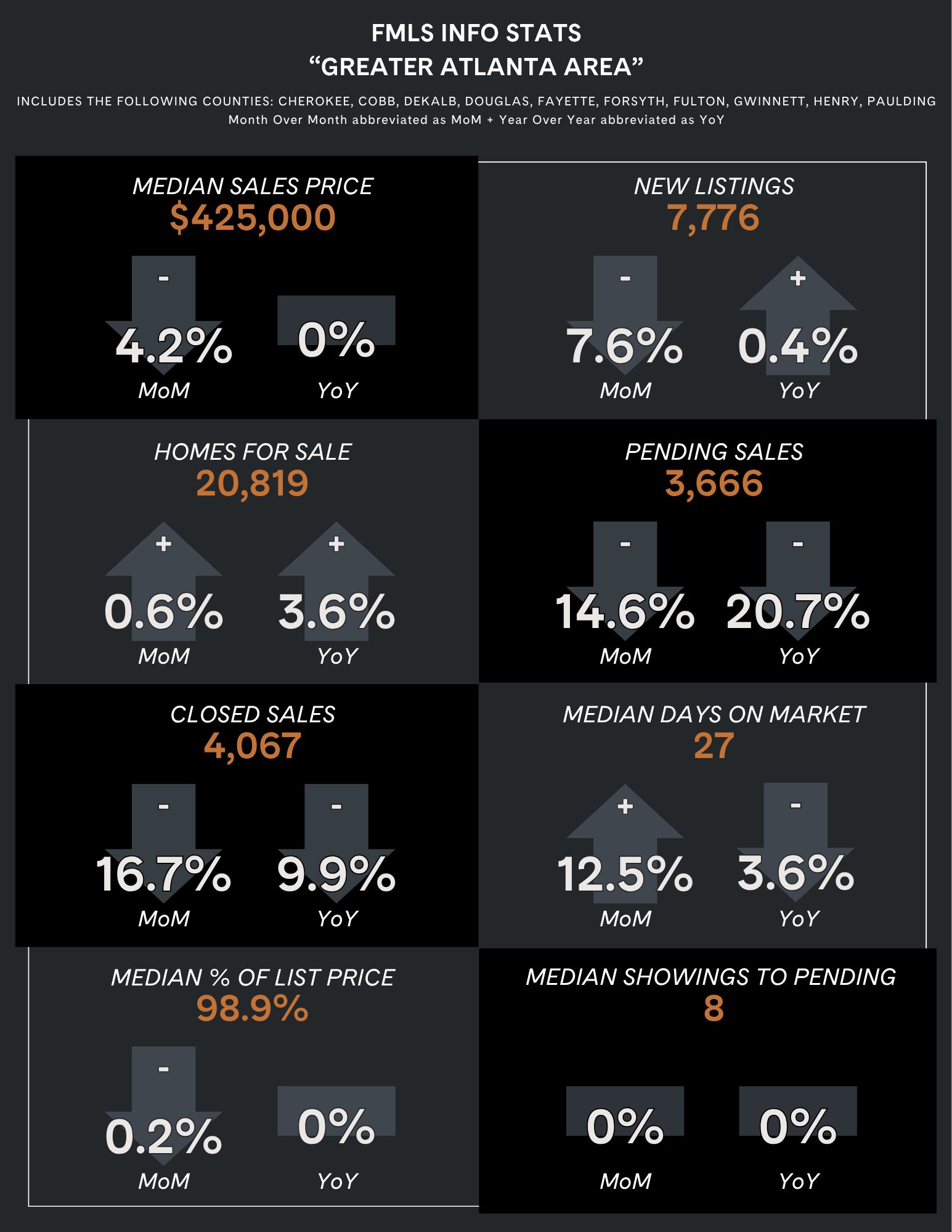
The market continues to tell a more nuanced story than the headline numbers might suggest. Overall, the median sales price across Metro Atlanta was essentially flat year-over-year, reinforcing just how similar the broader market remains to last year. However, that stability doesn’t mean every home would sell for the same price it did a year ago. The median reflects the mix of properties that are actually selling and right now, strength at the higher end of the market is helping support overall pricing even as some individual properties are selling for less.
That distinction is especially important in the current environment. Higher-end and luxury properties remain one of the stronger segments of the market, while other property types and price points are experiencing more pressure. As a result, broad statistics can make the market appear more stable than what an individual buyer or seller may be experiencing in their specific neighborhood or segment.
For sellers, this makes understanding current competition just as important as looking at past comparable sales. A home’s value today is ultimately influenced by what buyers are willing to pay now, not simply what similar properties sold for last year. For buyers, the variation across the market continues to create opportunities, particularly where homes have been sitting or sellers have become more motivated. Overall, the market remains relatively steady, but increasingly segmented, making local data, realistic pricing, and an understanding of what is actually selling more important than ever.
Lender Insights with Mark Daker from Ameris Bank
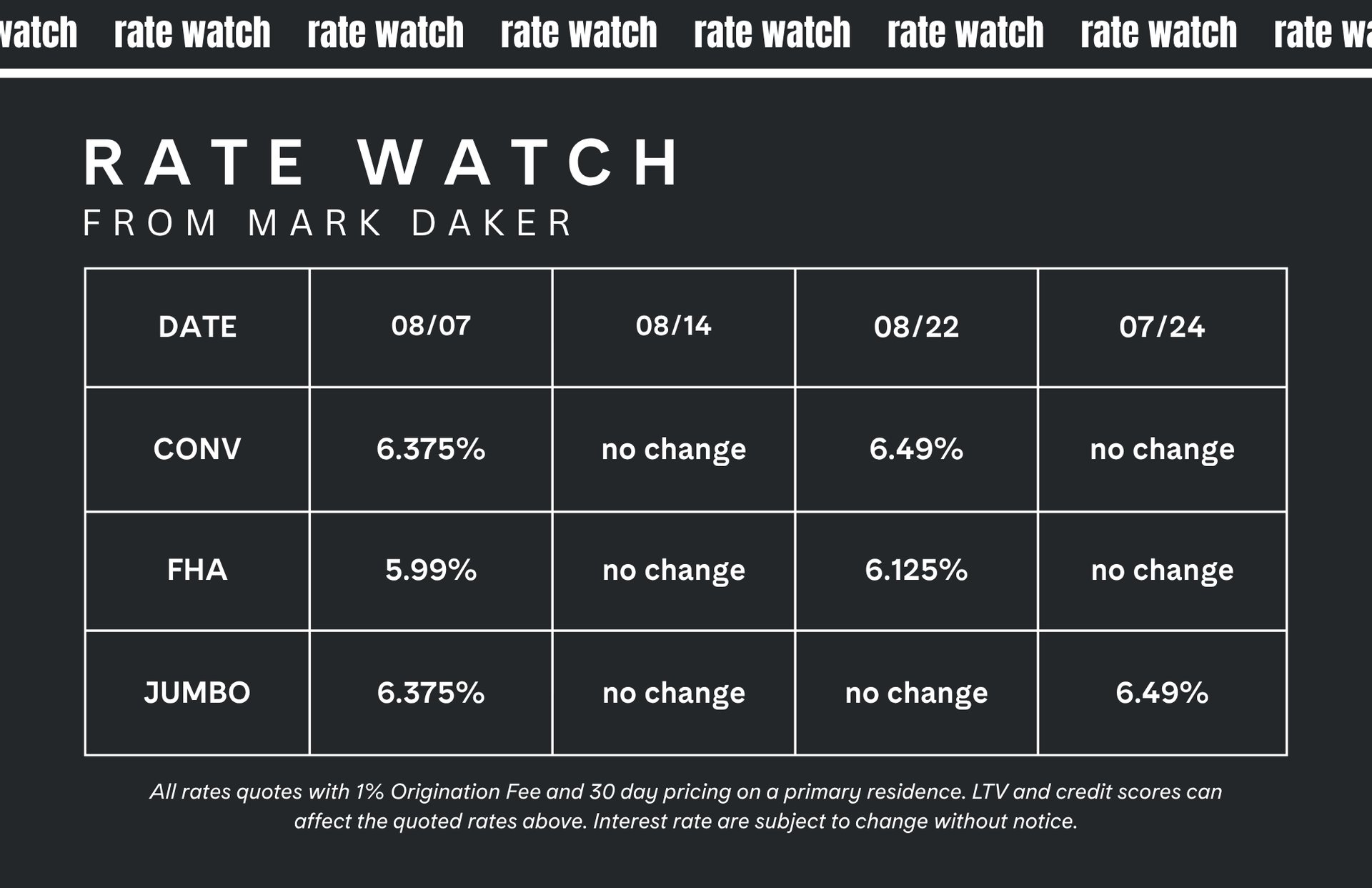
August brought some relief for mortgage rates, with rates moving back toward their lowest levels in several weeks. A weak employment report showing the U.S. economy lost 23,000 jobs helped drive the decline, as markets increasingly expect the Federal Reserve to hold rates steady in September.
Inflation remained a concern, particularly as higher oil prices and the ongoing conflict in Iran continued to add pressure. A proposed expansion of the Treasury’s bond buyback program briefly pushed rates lower, but renewed geopolitical concerns offset some of those gains. Overall, rates remained relatively stable despite some volatility throughout the month.
The national homeownership rate held near 65%, consistent with recent years, but affordability challenges continue to affect younger buyers. Homeownership remains concentrated among Americans 45 and older, while the under-30 demographic saw the largest decline over the past year. Moving forward, mortgage rates will likely remain sensitive to inflation, employment data and geopolitical developments.