Want a life where your morning coffee, evening jog, and date night all start on the same tree‑lined trail? If you love walkable neighborhoods with parks, food halls, and art at your doorstep, Old Fourth Ward delivers. You’ll learn how the Atlanta BeltLine’s Eastside Trail shapes daily life, housing options, value, and tradeoffs so you can decide if this lifestyle fits you. Let’s dive in.
What BeltLine living means here
Living in Old Fourth Ward often centers on the Eastside Trail, a multiuse path that links you to parks, food halls, fitness studios, and everyday errands. You see runners, cyclists, dog walkers, and public art during most hours. Events and pop‑ups add energy on weekends and evenings. If you enjoy an active street scene and quick access to amenities, this neighborhood aligns with that rhythm.
Daily life on the Eastside Trail
The Eastside Trail is the neighborhood’s spine. It connects you to standout destinations like Ponce City Market, Krog Street Market, and Historic Fourth Ward Park. Many residents use the trail for short trips, workouts, and casual meetups. Learn more about the corridor and programs from the Atlanta BeltLine’s official site.
Parks and green space
Historic Fourth Ward Park is a signature green space with walking paths, a central water feature for stormwater management, and areas for play and relaxation. It sits just off the trail, which makes park time a regular part of daily routines. The trail also links into other greenway routes, so longer rides or runs are easy to plan. You can explore park and trail programming through the Atlanta BeltLine.
Food, retail, and culture
Ponce City Market is a major anchor for dining, shopping, and events, and it sits right on the Eastside Trail. You can browse the food hall, visit rooftop attractions, and check out rotating retail without getting in the car. See the latest tenant mix and happenings on the Ponce City Market site. Nearby, independent restaurants, breweries, and creative spaces extend the scene, giving you lots of options within a short walk.
Getting around without a car
Walkability is the headline benefit for many O4W buyers. The trail makes first‑ and last‑mile trips faster and more pleasant, and you can layer in bikes or scooters for quick errands. Many residents still keep a car, but daily mileage often drops. If you prefer to move at street level, you’ll likely find the neighborhood’s layout practical and enjoyable.
Transit and MARTA access
Heavy‑rail MARTA stations are not directly on the Eastside Trail, but they are reachable by bike, bus, or a short drive. As of November 2025, you can tap nearby bus routes and Blue or Green Line stations in surrounding areas for broader connectivity. Commutes to Midtown and Downtown are relatively short by car or bike, though traffic can vary. For current route maps, check the City of Atlanta’s transportation and planning resources.
Parking tradeoffs
Developers in O4W often provide limited on‑site parking, and older homes may have varied off‑street options. If you value walkability, you may accept less parking in exchange for fewer daily car trips. Be sure to confirm parking allocations for any condo, loft, or townhouse you tour. For single‑family homes, review driveway or alley access and street parking patterns at different times of day.
Housing near the trail
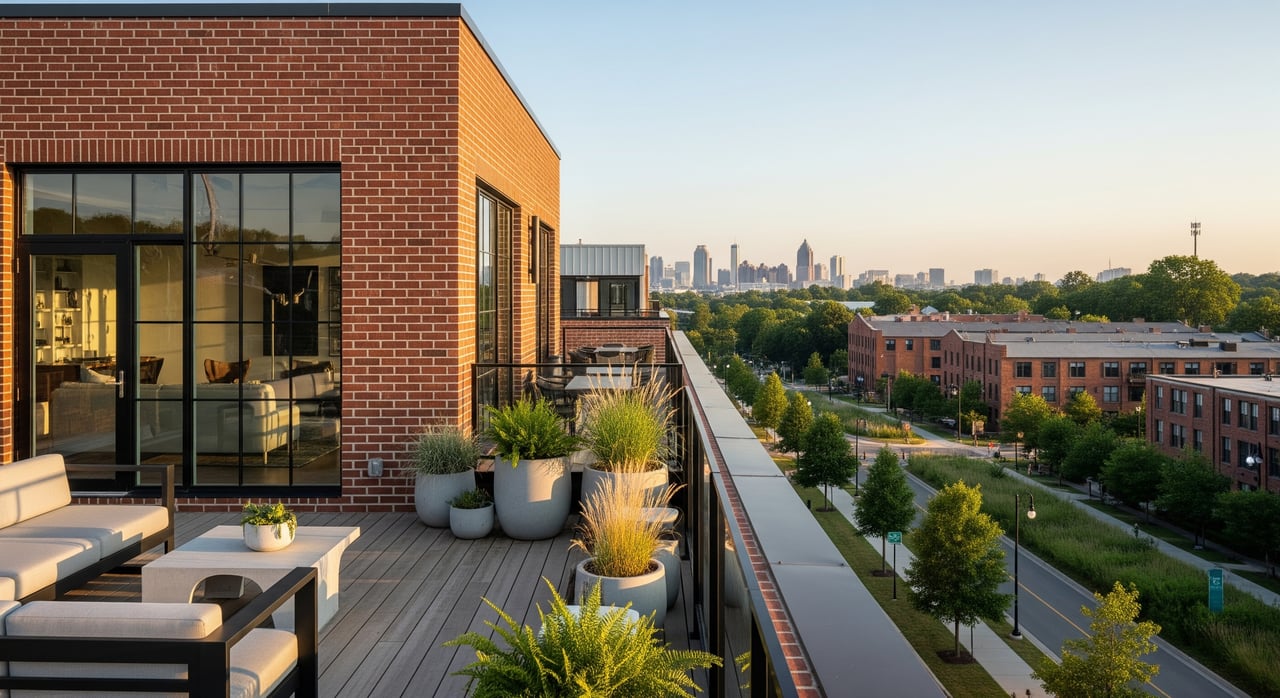
You’ll find a mix of property types within a few blocks of the Eastside Trail. Inventory includes lofts and condos, townhouses, renovated early‑20th‑century bungalows, and newer midrise apartments. The common thread is proximity to parks and retail. Your choice comes down to space needs, maintenance preferences, and how close you want to be to the action.
Condos and lofts
Condos and lofts near Ponce City Market and Krog Street Market are popular for low‑maintenance living and immediate access to dining and events. Units that face the trail or sit on active corners often see strong demand. Expect HOA structures and rules to vary by building. Review fees, reserves, short‑term rental policies, and security features closely.
Townhomes and bungalows
Townhomes and renovated bungalows appeal if you want more square footage, private entries, or outdoor space while keeping a short walk to the trail. Homes one or two blocks off the Eastside Trail can provide a quieter feel with similar convenience. These properties may carry a premium based on proximity, upgrades, and block character. Always compare recent sales for nearby streets rather than just overall neighborhood averages.
Investors and rentals
Walkability drives rental demand in O4W. Buildings near the trail often lease quickly, and mixed‑use surroundings support strong occupancy. If you are investing, understand HOA or zoning rules for rentals and the building’s tenant mix. Factor in event calendars and foot traffic, as these can influence turnover and seasonal pricing.
Value drivers and tradeoffs
Proximity to the Eastside Trail and major anchors often commands a premium. Trail‑facing homes can be the most sought after, but they come with more activity during evenings and events. Properties one or two blocks away capture much of the lifestyle with added privacy and sometimes better value. Decide where you want to land on the convenience‑to‑quiet spectrum.
Noise, crowds, and events
Event days can bring more foot traffic, music, and scooter or bike activity. Some buyers love the energy, while others prefer a buffer. Visit candidate properties on a weekday morning, a weeknight, and a weekend afternoon to feel the difference. Simple steps like asking about window upgrades or building quiet hours can help you gauge fit.
Privacy vs. proximity
Direct trail access is convenient, but consider sightlines, lighting, and how people move past your door. A unit facing a courtyard or a home on a side street can offer more privacy while staying close to everything. Balance your priorities with your long‑term plans and resale goals. Listings that pair secure access with smart layouts tend to hold value well in active zones.
Smart buying checklist near the BeltLine
- Walk the route you would use daily and note crossings, lighting, and block feel.
- Review HOA rules, fees, reserves, rental caps, and management track record.
- Confirm parking assignments, guest policies, and EV‑charging options if relevant.
- Ask about property lines and responsibilities where yards or fences meet public spaces.
- Check City of Atlanta planning and development pages for any proposed projects nearby using the city’s website.
- Visit at three times: weekday morning, weeknight, and weekend midday.
- Compare recent sales on the same or adjacent blocks, not just within the ZIP code.
Community impact and affordability
The BeltLine is a long‑term redevelopment effort funded by public and private sources, including a tax allocation district. Along the Eastside Trail, it has spurred new parks, retail, and housing while increasing demand for walkable homes. Community groups and the Atlanta BeltLine Partnership host stewardship and engagement events throughout the year. Explore programs and volunteer opportunities through the Atlanta BeltLine Partnership.
Affordable housing commitments
The BeltLine organization has goals and funding tools to support affordable housing near the corridor. Production has been a major focus, and community advocates continue to push for more units to meet demand. For program overviews and updates, review the Atlanta BeltLine’s official site. If affordability is a key need for you, ask your agent to track current program openings and income‑qualification details.
How Bolst’s Good Key helps O4W
Bolst is a Benefit Corporation that ties real estate activity to measurable community outcomes. Through our Good Key framework, a portion of proceeds from transactions is directed to local initiatives that strengthen neighborhoods. In O4W, that can include support for park programming, housing initiatives, or partner organizations that activate the BeltLine. We emphasize transparency by sharing impact examples and inviting clients to review our annual highlights.
- Where funds can go: examples include partners like the Atlanta BeltLine Partnership and other local nonprofits focused on housing and neighborhood vitality.
- What to ask for: request recent impact summaries, recipient lists, and project highlights in Old Fourth Ward.
- Why it matters: your move can do double duty by helping you reach your housing goals while contributing to local outcomes.
Is BeltLine living right for you?
If you want daily walkability, parks outside your door, and an active calendar, Old Fourth Ward makes it easy to live the way you like. You will balance that convenience with more foot traffic and sometimes tighter parking. The best fit comes from seeing properties at different times and clarifying your top two or three priorities. When you are ready to tour, compare blocks, and weigh tradeoffs, connect with Bolst Homes. Find a home. Make an impact.
FAQs
What does BeltLine living mean in Old Fourth Ward?
- It means everyday access to the Eastside Trail, parks, and food halls, with frequent events and a walkable routine centered on the trail.
Is living next to the Eastside Trail noisy or crowded?
- It can be during evenings and events; visit at multiple times to assess activity levels and decide how close you want to live.
Which O4W property types fit a BeltLine lifestyle?
- Condos and lofts offer low‑maintenance access to retail, while townhomes and renovated bungalows add space and privacy within a short walk.
How close to the trail should I buy for value?
- Trail‑front homes can command a premium but have more activity; one to two blocks away often balances convenience, privacy, and price.
What are the transit options for O4W residents?
- MARTA buses and nearby Blue or Green Line stations are reachable by bike or short drive, and Midtown or Downtown commutes are relatively short.
How does Bolst’s Good Key support Old Fourth Ward?
- A portion of transaction proceeds is directed to local partners and initiatives, with transparency through impact examples and recipient information.