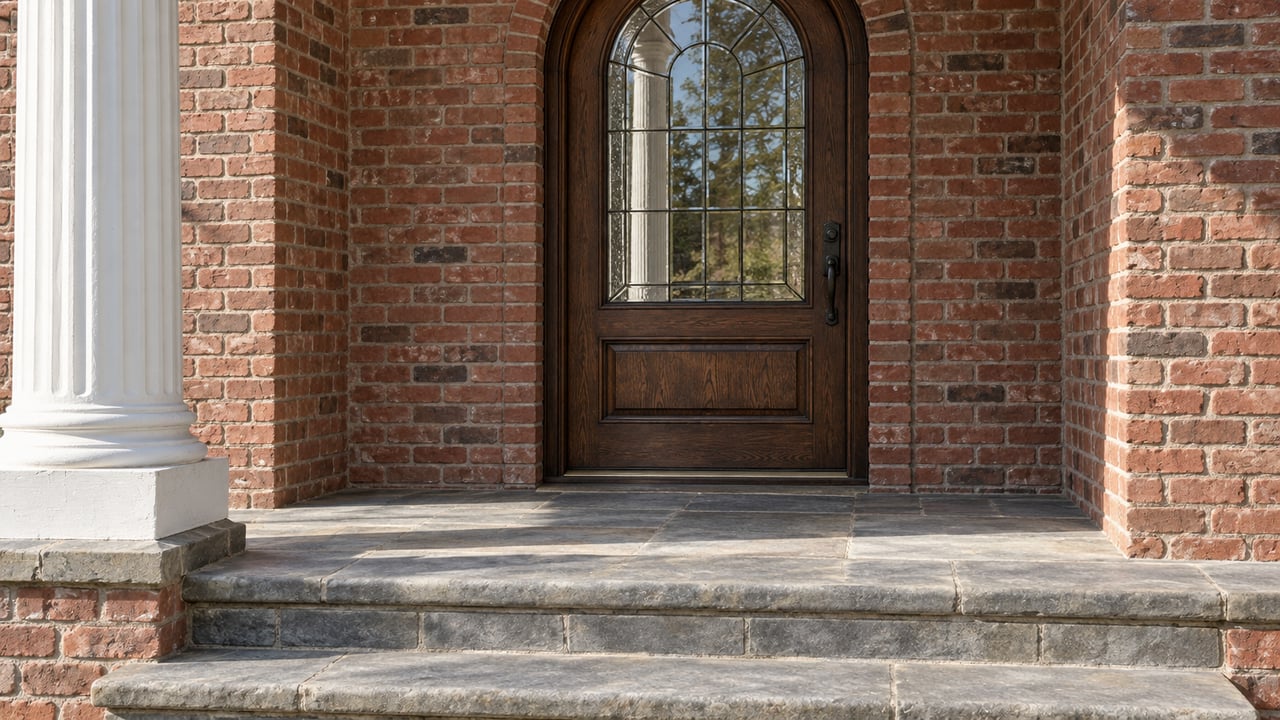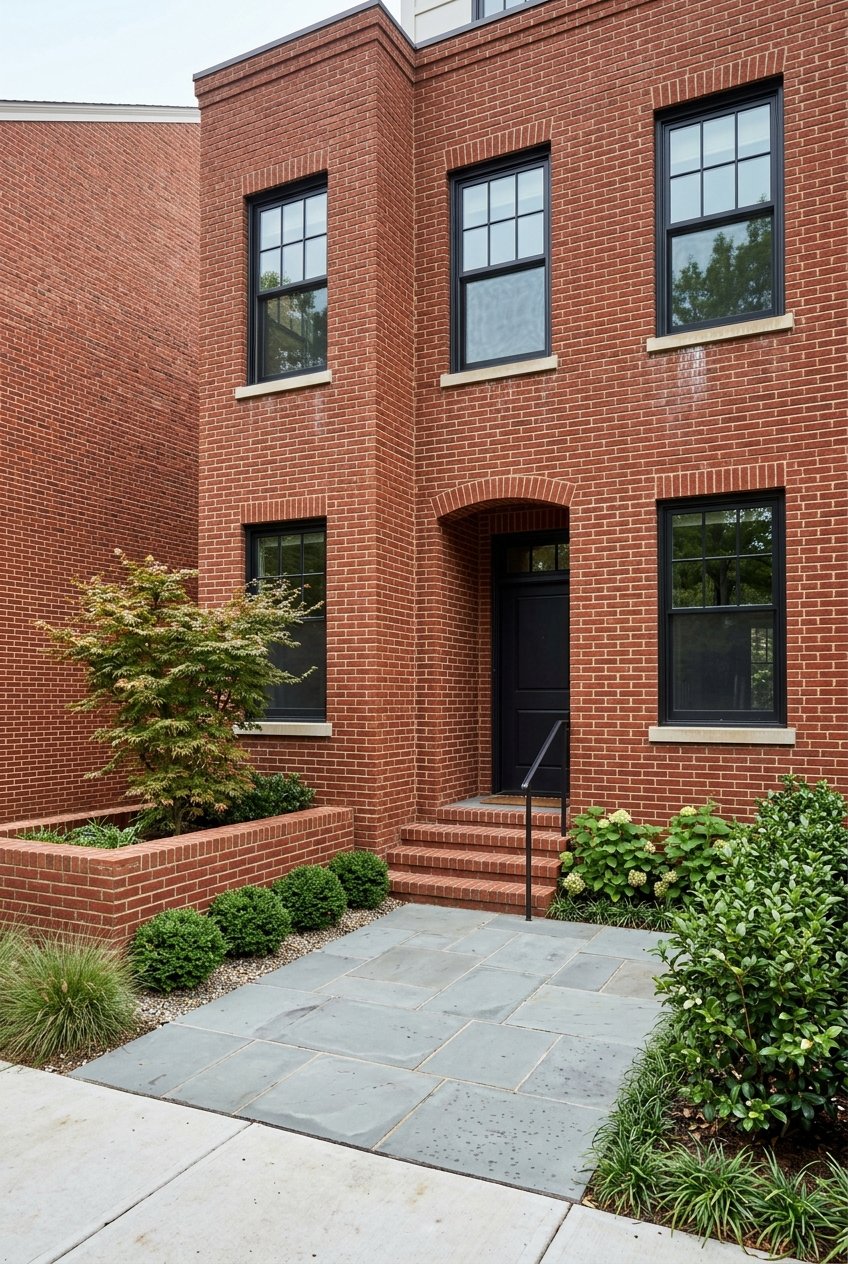
Trying to choose between a classic bungalow and a newer home in Virginia-Highland? That decision can feel harder here than in many Atlanta neighborhoods because the area’s identity is deeply tied to its historic homes, yet buyers still see selective newer infill come to market. If you want a smart way to weigh charm, upkeep, location, and long-term fit, this guide will help you compare the tradeoffs with more confidence. Let’s dive in.
Why this choice feels different in Virginia-Highland
Virginia-Highland, often called VaHi, is defined by historic character. The neighborhood is bounded by Ponce de Leon Avenue, the BeltLine and Piedmont Park, Amsterdam Avenue, and the Druid Hills and Atkins Park edge, and much of its residential fabric was built from the early 1900s through the late 1940s.
That matters because you are not usually choosing between two housing types in equal supply. In VaHi, bungalows, cottages, and Foursquare homes shape the neighborhood’s look and feel, while newer homes tend to appear through selective infill rather than large-scale new construction.
What a VaHi bungalow really offers
In Virginia-Highland, the classic bungalow is more than an architectural style. It usually means period details, a front porch that connects the home to the street, and a lot pattern that reflects the neighborhood’s early development.
If you love homes with visible character, a bungalow often delivers that right away. You may find original proportions, mature landscaping, and a stronger sense of connection to the surrounding streetscape than you would in a newer build.
Character is part of the appeal
Many buyers are drawn to the way older homes fit naturally into VaHi’s historic setting. The neighborhood is a National Register historic district, and Atkins Park within the area is also a city-designated historic district.
That historic identity gives bungalows a strong sense of place. If your goal is to live in a home that feels tied to the neighborhood’s roots, a bungalow may check that box better than a newer infill property.
Porch living changes the experience
A bungalow often creates a different daily rhythm. Front porches and street-facing design can make the home feel more connected to the sidewalk, trees, and surrounding blocks.
For many buyers, that is part of the lifestyle they want in Virginia-Highland. It can feel less private than a more enclosed new build, but also more integrated with the neighborhood around you.
What a newer build can offer
In VaHi, newer construction is usually the exception, not the rule. That makes it important to think of a new build as a selective option for buyers who value updated systems and lower immediate maintenance over historic details.
A newer home may appeal to you if you want a more turnkey experience. While no home is maintenance-free, newer systems and construction methods can reduce the number of near-term updates you may need to tackle after closing.
Newer systems can mean fewer surprises
Older homes often need closer review of major systems like the roof, electrical, plumbing, and HVAC. That does not automatically make them a poor choice, but it does mean you should go in with a clear understanding of age, condition, and likely future costs.
With a newer build, those systems are typically more recent. If you want to spend less time planning for repairs in the first few years, this can be a major advantage.
Energy performance may be stronger
New construction also has an edge in energy efficiency. Insulation can be built into the structure from the start, and certified efficient new homes may include stronger performance in insulation, windows, air sealing, and HVAC systems.
Older homes can absolutely be improved over time, but you may need to budget for upgrades. If utility performance and comfort are high on your list, a newer home may align better with your priorities.
The biggest tradeoff: character vs convenience
For most buyers in Virginia-Highland, this decision comes down to one core question: do you want historic character more than turnkey convenience?
If you picture yourself enjoying porch living, period details, and a home that reflects VaHi’s early history, the bungalow path may feel right. If you would rather prioritize newer systems, stronger energy performance, and fewer immediate projects, a newer build may be the better match.
Ask yourself these questions
Before you decide, think through these points:
- Do you want original character or a more modern finish?
- Are you comfortable budgeting for repairs or system updates?
- How important is energy efficiency today?
- Do you want a front-porch streetscape feel or a more contemporary layout?
- Are you open to renovation planning if the right older home needs work?
Your answers can clarify which option fits your lifestyle, not just your wish list.
Renovation rules matter in VaHi
In Virginia-Highland, renovation potential is not just about your budget or design ideas. It can also depend on local historic review rules and permitting requirements.
Exterior work in designated historic properties can require a Certificate of Appropriateness from the City of Atlanta. Permits may apply to projects such as additions, decks, fences, roofs, windows, solar panels, tree removal, demolition, and new construction.
Not every property has the same review burden
This is an important nuance for buyers. The broader neighborhood has historic significance, but the strongest local regulatory overlay is parcel-specific.
That means one VaHi home may face a different review process than another. If you are considering major exterior changes, you will want to confirm early whether the specific property falls under historic district requirements and what that could mean for your plans.
Yard, trees, and outdoor space
Outdoor space works differently in Virginia-Highland than it does in many newer neighborhoods. Here, the question is not only how much yard you get, but also how that space functions within a mature, tree-lined setting.
The neighborhood is known for its canopy, but local groups note that canopy is under pressure from development and infill. For buyers, that means trees can be both a major asset and a practical factor in future plans.
Think beyond lot size
A larger yard may sound ideal, but it can also come with drainage, landscaping, and repair considerations. If you are buying an older bungalow, you may also need to think about how outdoor improvements fit with local permitting and tree review.
Atlanta’s arborist division reviews tree impacts under building permits. So if your vision includes major landscaping changes, an addition, or a teardown-and-build approach, that should be part of your due diligence.
Public space can offset a smaller yard
One of VaHi’s advantages is that many homes are close to parks, Piedmont Park, the BeltLine, shopping, dining, and neighborhood gathering spots. If you are comfortable with a smaller private yard, that access to nearby public space may help balance the tradeoff.
For some buyers, this makes a bungalow lot feel more than sufficient. For others, a newer home with a different footprint may still feel like the better fit.
Location inside Virginia-Highland matters
Not every block in Virginia-Highland lives the same way. One of the biggest buying decisions is how close you want to be to the neighborhood’s commercial activity.
The district’s retail spine centers on North Highland Avenue, where restaurants, bars, shops, fitness, and wellness businesses cluster along a 1.4-mile stretch. Homes closer to Virginia Avenue and North Highland often feel more plugged into that activity, while homes farther out may trade some convenience for a quieter residential setting.
Match the block to your routine
If you want to walk to coffee, dinner, errands, or nightlife, proximity to the main corridor may matter as much as the house itself. In that case, a smaller historic home in the right spot may outperform a larger or newer option on a less connected block.
If you prefer a quieter daily feel, you may value a little more distance from the busiest parts of the neighborhood. That is why the home type and the micro-location should be evaluated together.
A practical way to compare your options
When you tour a bungalow and a newer build in Virginia-Highland, try using the same scorecard for both. That can help you stay objective in a neighborhood where emotion and character often play a big role.
Here is a simple comparison framework:
| Factor | Bungalow | Newer Build |
|---|---|---|
| Neighborhood character | Often stronger historic feel | Often more contemporary feel |
| Systems and maintenance | May need closer inspection and updates | Usually newer systems |
| Energy efficiency | May need upgrades over time | Often stronger from the start |
| Renovation flexibility | Can be shaped by historic review and lot constraints | May still face permitting limits, but often built for modern use |
| Outdoor space feel | Traditional lot pattern and mature trees | Can vary based on infill design |
| Lifestyle fit | Great for buyers who value charm and context | Great for buyers who value convenience and performance |
The right answer is the one that supports how you want to live, maintain, and enjoy your home over time.
So, which one is right for you?
Choose a bungalow if you value historic character, porch-oriented streets, and the feeling of living in a home that reflects Virginia-Highland’s roots. It may be the better fit if you are comfortable with inspections, future maintenance planning, and some uncertainty around upgrades.
Choose a newer build if you want updated systems, stronger energy performance, and a more turnkey ownership experience. It may be the better option if you prefer convenience and predictability over period details.
In a neighborhood like VaHi, there is no one-size-fits-all answer. The best move is to compare each property through the lens of your budget, your renovation tolerance, and the way you want to live in the neighborhood day to day.
If you want help weighing historic charm against modern convenience in Virginia-Highland, the team at Bolst Homes can help you compare options with clear, local guidance. Find a Home. Make an Impact.
FAQs
What is a bungalow in Virginia-Highland?
- In Virginia-Highland, a bungalow usually refers to an older home built during the neighborhood’s early development period, often with a sloping roof, front porch, and strong connection to the street.
Are there many new builds in Virginia-Highland?
- Newer homes exist in Virginia-Highland, but they are generally selective infill properties rather than the dominant housing type.
Do Virginia-Highland older homes need more maintenance?
- Older homes often deserve closer review of the roof, electrical, plumbing, HVAC, and insulation, so you should expect more inspection focus before buying.
Do Virginia-Highland historic rules affect renovations?
- Some properties may be subject to historic review, and exterior work on designated historic properties can require a Certificate of Appropriateness and permits depending on the project.
Is a newer Virginia-Highland home more energy efficient?
- In general, newer homes have an advantage because insulation, air sealing, windows, and HVAC systems can be designed to current efficiency standards from the start.
How important is walkability in Virginia-Highland home buying?
- Walkability is a major factor for many buyers because much of the neighborhood is close to North Highland’s commercial corridor, parks, Piedmont Park, and the BeltLine.
Should I choose a bigger yard or better location in Virginia-Highland?
- That depends on your lifestyle, but many buyers weigh private yard space against access to nearby parks, tree-lined streets, and walkable neighborhood amenities.