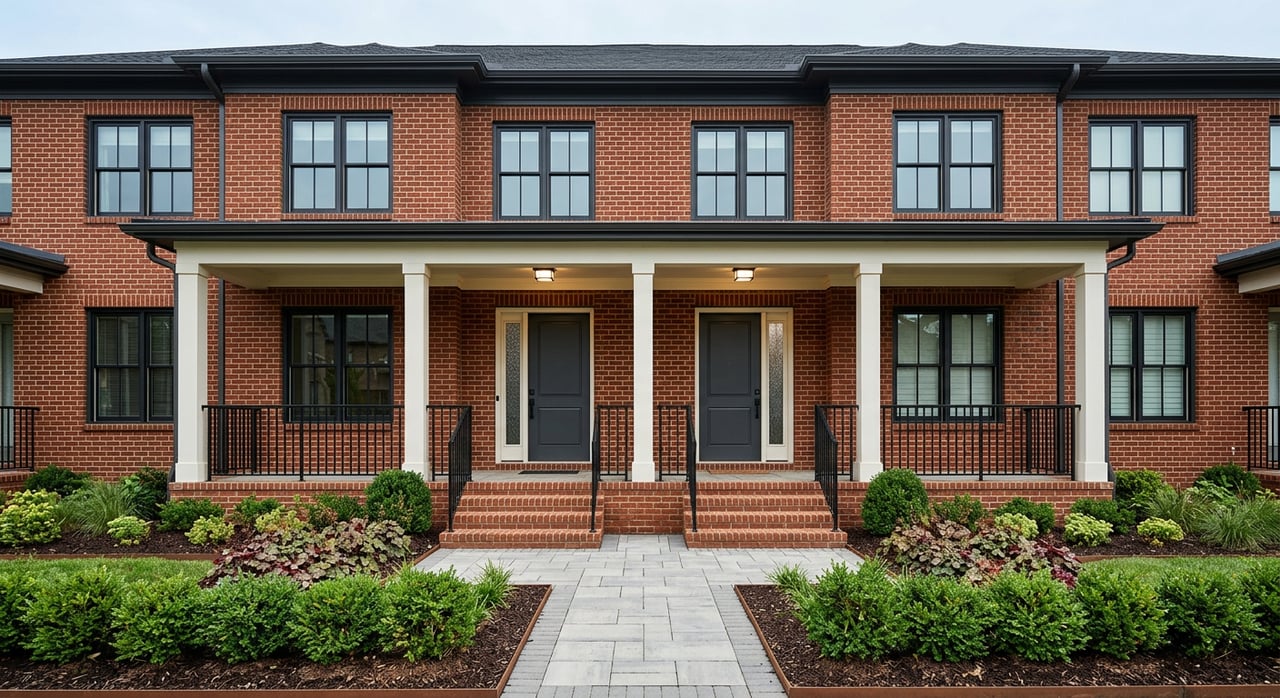
If you are ready to trade weekend yard work for a walkable lifestyle near your favorite Brookhaven spots, downsizing can be a smart move. You want less maintenance without losing access to Dresden Drive dining, the farmers market, parks, and easy transit. In this guide, you will learn where low-maintenance options cluster in Brookhaven, what to expect from HOAs, and how to time and finance your move with confidence. Let’s dive in.
Why downsize in Brookhaven now
Brookhaven offers the best of both worlds for empty nesters and busy professionals: fewer chores and strong neighborhood amenities. Local reporting places typical home values in a realistic mid‑$600k to high‑$700k range across a mix of condos, townhomes, and smaller single‑family homes, with renovated or luxury single‑family properties often selling for $1 million or more. You can explore market context and price tiers summarized by independent market trackers such as PropertyFocus’ Brookhaven trends.
Demand for well-located, low-maintenance homes is steady. Condos and townhomes near shops and transit often move faster than larger single‑family homes. If you plan to stay in Brookhaven, be prepared to allocate a meaningful portion of your sale proceeds toward your next purchase or expand your search to nearby areas if budget is the priority.
Where to live for low-maintenance ease
Dresden Drive and Brookhaven Village
If you want a town-center feel, start here. Condos and townhomes around Dresden Drive and Brookhaven Village put you close to restaurants, markets, and community events. The city’s planning vision highlights this corridor as a pedestrian‑friendly mixed‑use core, which helps explain why downsizers often focus here. Review the city’s blueprint in the City Centre Vision and Master Plan to understand walkability and future improvements.
Town Brookhaven and the Peachtree corridor
This area delivers shopping, dining, and quick access to Buckhead and Perimeter Center. Many townhome communities and condo buildings here offer modern finishes, covered parking, and community pools without the upkeep of a large yard.
Park‑adjacent pockets
If you prefer a smaller single‑family home, look near Ashford Park or around the Murphey Candler and Blackburn Park corridors. You can find bungalow and cottage‑style homes that keep you close to green space while trimming your maintenance list.
MARTA access
If rail access matters for work, travel, or the occasional game day, target homes within a convenient radius of the Brookhaven/Oglethorpe station. The station’s schedules and connections are easy to explore on MARTA’s Brookhaven/Oglethorpe page.
Choose the right home type
- Condo. Typically single‑level living with an HOA that maintains common areas and the building envelope. Expect monthly dues, shared insurance for the structure, and rules on things like parking and pets.
- Townhome. You usually own the structure and roofline, while the HOA handles common areas and amenities. Fees can be lower than high‑amenity condo buildings, but it varies.
- Smaller single‑family home. Fewer HOA restrictions if any, more direct control, and some yard to maintain. This can be a good fit if you want independence with less square footage.
In Brookhaven, HOA fees vary widely by amenities and services. Recent local listing examples suggest many townhomes and condos fall in a ballpark range of about 200 to 420 dollars per month, sometimes including grounds and exterior maintenance, pool, trash, termite contracts, water or sewer, building insurance, and reserves. Always confirm what is included community by community.
Understand HOAs and Georgia’s POAA
Many downsizer‑friendly options are in HOA‑managed communities. In Georgia, the Georgia Property Owners’ Association Act (POAA), O.C.G.A. §44‑3‑220 et seq., is the statutory framework that governs many associations, alongside each community’s recorded covenants and bylaws. You can review an overview of the POAA at Justia’s Georgia code reference.
Before you commit, request the full resale packet early. Title companies and closing attorneys commonly obtain these, but asking upfront helps you make a clear decision. A helpful checklist is summarized by Georgia closing resources like Atlanta Title’s HOA guidance, which notes what closing teams look for to verify association health.
What to review in your HOA packet
- Current assessment balance and monthly dues, plus a resale or estoppel certificate that shows what you owe and what is due at closing.
- The latest budget and balance sheet, including operating and reserve fund details.
- Any reserve study or funding plan, and whether reserves appear underfunded.
- Recent board meeting minutes, especially any discussion of major repairs, special assessments, insurance claims, or litigation.
- Insurance certificates and a clear breakdown of what the HOA covers versus your responsibility.
- Community rules that affect your use: pet, parking, architectural review, rental caps, and any short‑term rental policies.
HOA red flags to watch for
- No reserve study or a thin reserve fund for the community’s age and size.
- Recent or frequent special assessments without a long‑term plan.
- Pending litigation or major insurance claims that could trigger future assessments.
- Lapsed or limited insurance coverage, or unclear owner responsibilities.
- Restrictive rental rules if you want flexibility to rent later.
Timing and financing game plan
Typical timeline
If you use financing, expect about 40 to 50 days from application to closing, depending on lender processes and file conditions. That means you should plan your sale and purchase with some overlap or a temporary housing plan if you need to be local on day one. See a simple overview of average timelines in this industry closing‑time explainer.
Coordinate your sale and purchase
- Sell first, then buy. Lower financial risk and fewer moving parts, but you may need short‑term housing or a rent‑back.
- Buy before you sell. Cash‑backed or bridge‑style programs can let you write a stronger offer and move once. These solutions charge fees, so compare your total costs and benefits. Learn how buy‑before‑you‑sell programs work from Homeward’s overview.
- Home‑equity options. A HELOC or bridge loan can fund the purchase before your sale closes. For homeowners 62 and older, a HECM reverse mortgage is another way to unlock equity, but it has counseling requirements and costs that you should understand. The HUD page on HECMs is a good place to start: HUD HECM guidance.
Taxes and carrying costs
- Capital gains exclusion. Many sellers of a primary residence can exclude up to 250,000 dollars of gain if single or 500,000 dollars if married filing jointly, assuming the IRS ownership and use tests are met. Review the rules on the IRS page for home sale exclusions: IRS Publication 523 at a glance. If you expect a large gain, ask a CPA about your specific situation.
- DeKalb property taxes. Property tax bills in DeKalb combine county, school, and city or special district levies. Homestead credits such as EHOST can lower the net bill for eligible owners. Check recent public notices and verify your parcel’s homestead status before you list or buy. See DeKalb’s recent tax communications here: DeKalb County tax notices and EHOST context.
Should I downsize now? Quick checklist
Use this short list to gut‑check your timing:
- You want single‑level or elevator access, or fewer stairs.
- Yard work and exterior maintenance feel like a burden.
- Your commute or weekly errands fit a walkable or transit‑friendly location.
- Your expected sale proceeds cover your next purchase and moving costs.
- You are emotionally ready to sort, donate, and simplify.
Local Brookhaven checklist before you list
- Request a current CMA and list‑price range for your micro‑neighborhood.
- If your property is in an HOA, obtain the resale packet early and review dues, budget, reserve study, insurance, CC&Rs, minutes, and any special assessment history. Georgia closing practices often require these at or before closing; start now to avoid delays. See common components noted in Atlanta Title’s HOA checklist.
- Order mortgage and HELOC payoff figures. Pull the most recent property tax bill and confirm your homestead exemption status and any credits like EHOST. DeKalb’s public notices offer helpful context: DeKalb County tax notices.
- Decide on staging. Strategic staging or virtual staging can increase buyer interest and reduce market time. Your agent can target high‑impact rooms and right‑size the budget using data from the NAR Profile of Home Staging.
What to ask when touring condos and townhomes
Bring these questions to every showing, and note why each matters:
- How large is the operating reserve and when was the last reserve study? Strong reserves point to fewer surprise assessments.
- Any special assessments in the last three years or planned in the budget? This signals near‑term costs.
- What does the monthly HOA fee cover? Clarify roof, exterior, insurance, water, termite, trash, and amenities to compare apples to apples.
- Is there pending litigation or a recent claim? Legal risk can affect insurance and future fees.
- Are rentals allowed, and are there owner‑occupancy rules? These affect flexibility and resale.
Timing and financing cheat‑sheet
- If you want no overlap, sell first, then buy. Lower cost and risk, but you may need temporary housing.
- If you need to stay local, consider a buy‑before‑you‑sell or bridge option. Higher convenience, added fees.
- If you value leverage, ask about a HELOC or bridge loan. More moving parts and underwriting, but keeps you in control.
- Build a 40 to 50 day timeline for financed purchases, and add buffer for HOA document reviews and appraisals.
Local resources
- Brookhaven planning and walkability maps: City Centre Vision and Master Plan
- Transit schedules and station info: MARTA Brookhaven/Oglethorpe
- Property tax context and homestead credits: DeKalb County tax notices
Ready to right‑size without losing the Brookhaven lifestyle you love? Our local agents help you compare condos, townhomes, and smaller homes by fees, reserves, and walkability, then map a sale‑and‑purchase plan that fits your timeline. Bolst Homes pairs expert guidance with a mission to strengthen communities. Find a Home. Make an Impact.
FAQs
What price range should I expect when downsizing in Brookhaven?
- Across a mix of condos, townhomes, and smaller single‑family homes, typical values often land in the mid‑$600k to high‑$700k range, with luxury single‑family homes commonly above $1 million.
How long does a financed purchase usually take to close?
- Plan for about 40 to 50 days from loan application to closing, plus time to review HOA documents and coordinate your move.
What are typical HOA fees and what do they cover?
- Many Brookhaven condos and townhomes show monthly dues around 200 to 420 dollars, which can include grounds and exterior maintenance, pool, trash, termite, water or sewer, building insurance, and reserves. Always verify inclusions.
Is living near the Brookhaven/Oglethorpe MARTA station a good downsizing choice?
- If you value easy trips to Midtown or Downtown, targeting homes within a convenient radius of the station can simplify errands and events. Test your peak‑hour door‑to‑desk time before you buy.
Which HOA documents should I review before making an offer?
- Request the resale certificate, current dues and balances, budget, reserve study, board minutes, insurance certificates, CC&Rs and bylaws, and rules on pets, parking, and rentals.